
Do Leopard Geckos Need Calcium and Vitamin D3 Supplements?
Published on: April 20, 2026 | Last Updated: April 20, 2026
Written By: Alexander 'Gecko Geek' Johnson
If you’re worried about your leopard gecko developing weak bones or a debilitating condition called Metabolic Bone Disease (MBD), you’re asking exactly the right question. Getting their nutrition right is one of the most critical parts of being a gecko owner.
I’ve raised leopard geckos for years, and I can help you cut through the confusion. We’ll break down the absolute essentials you need to know to keep your gecko strong and healthy.
- Why calcium and D3 are non-negotiable for their skeletal health.
- The crucial difference between simple calcium and calcium with D3 supplements.
- My proven dusting schedule that keeps my geckos, like Griffey, thriving.
You’ll finish this article with a clear, actionable plan. We are covering: the role of calcium, the function of Vitamin D3, supplement schedules, the critical difference between pure calcium and D3 blends, and how to spot early warning signs of a deficiency.
Why Calcium and D3 Are Vital for Leopard Gecko Health
How Calcium and D3 Work Together in Reptile Nutrition
Think of calcium as the bricks for building a strong gecko, and Vitamin D3 as the construction crew that puts those bricks in place. Without D3, your gecko’s body simply cannot absorb and use the calcium you provide, no matter how much you dust their food. I learned this the hard way with my first gecko, Griffey, who became lethargic before I corrected his supplement routine. For a complete supplementation guide, you’ll learn how calcium with D3 compares to calcium without, when D3 is necessary, and how to dose safely. This will help you monitor your gecko’s health and avoid deficiencies.
In captivity, our pets don’t get direct, unfiltered sunlight to produce their own D3. We have to provide it. This duo works in the gut to pull calcium into the bloodstream, where it’s shuttled to bones and used for vital muscle function, including that all-important heart muscle.
Common Misconceptions About Gecko Dietary Calcium
Many owners believe a single approach works for everyone. This is a fast track to health problems.
- “A bowl of calcium powder in the tank is enough.” This is only half true. A plain calcium bowl is great, but it does nothing without a separate, scheduled D3 supplement.
- “I use a UVB light, so I don’t need D3 supplements.” This can be a dangerous gamble. While a proper UVB light can help a gecko synthesize D3, the amount they actually produce is inconsistent and depends on basking behavior and bulb strength.
- “My gecko looks fine, so its calcium levels are fine.” Metabolic Bone Disease (MBD) is a slow, creeping thief. By the time you see obvious symptoms, the damage is already significant.
Recognizing Calcium and D3 Deficiency in Leopard Geckos
Early Warning Signs of Hypocalcemia
Catching this early is the difference between a simple fix and a lifelong condition. Watch your gecko closely during handling and feeding. Early warning signs of illness in geckos can be subtle, so monitor changes in appetite, activity, and shedding. Recognizing these signs early helps you seek care before a small issue becomes serious.
- A subtle tremor or shakiness in the legs, especially the back legs, when walking.
- Difficulty climbing or a slight lack of coordination that wasn’t there before.
- Lethargy and a loss of appetite, where your usually hungry gecko starts refusing food.
- Softening of the jaw, which may feel less firm when you gently stroke their face.
My gecko Jeter went through a brief period of lethargy, and a vet check confirmed early-stage hypocalcemia. A quick adjustment to his supplement schedule had him back to his confident, perch-loving self in weeks.
Severe Symptoms That Require Urgent Care
If you see any of these signs, you need to contact a reptile veterinarian immediately. This is a serious situation.
- Visible bone deformities, such as a curved spine, kinked tail, or bowed legs.
- Swollen or rubbery jaws, a classic sign of advanced Metabolic Bone Disease (MBD).
- Twitching, seizures, or complete paralysis of the limbs.
- Difficulty raising their body off the ground, often called “swimming” on the terrarium floor.
At this stage, the gecko is in significant pain and its quality of life is severely compromised. Recovery is possible with aggressive veterinary treatment, but some deformities may be permanent. Prevention is always, always the best and kindest medicine. Many health problems in pet geckos are preventable with proper care. By providing a suitable enclosure, correct lighting and humidity, and a calcium-rich diet with clean water, you can prevent dehydration, metabolic bone disease, and respiratory issues.
How to Supplement Calcium and D3 Based on Age and Life Stage
Your gecko’s supplement needs change dramatically as they grow. What keeps a baby gecko building strong bones is very different from what maintains a healthy adult. I learned this the hard way with my first gecko, Griffey, and have since fine-tuned my approach for all my lizards.
Supplement Schedule for Growing Hatchlings and Juveniles
Young geckos are like tiny, scaly construction sites. They are growing bone and muscle at an incredible rate. For hatchlings and juveniles, I use a calcium with D3 powder at nearly every single feeding.
- Frequency: Dust their feeder insects with a calcium + D3 supplement for 5 out of 6 feedings.
- The 6th Feeding: On the sixth feeding, use a high-quality multivitamin powder instead.
- Availability: Keep a small, shallow dish of plain calcium (without D3) in their enclosure at all times. They will self-regulate and eat it as their bodies demand.
This intense schedule supports their rapid skeletal development and helps prevent Metabolic Bone Disease (MBD), which is a real risk for fast-growing youngsters.
Maintenance Dosing for Adult Leopard Geckos
Once your gecko reaches adulthood (around 12-18 months), their growth plates have sealed. Their needs shift from construction to maintenance. An adult gecko’s supplement schedule is much more relaxed and focuses on long-term health. This is a key milestone in the gecko lifecycle, marking the transition from juvenile growth to maintenance. From here on, the focus shifts to longevity and ongoing health.
- Breeding Females: They need the most support. Dust with calcium + D3 at every feeding while gravid and laying eggs. They are literally shunting their own calcium into eggshells.
- Non-Breeding Adults: A simple “1-2-3” schedule works perfectly. For every three feedings:
- First feeding: Calcium with D3.
- Second feeding: Multivitamin.
- Third feeding: No supplements (a “clean” meal).
My adult male, Griffey, thrives on this 1-2-3 method. It provides all the nutrients he needs without the risk of over-supplementation.
Step-by-Step Guide to Administering Supplements
Getting the powder *on* the bugs and *into* your gecko is its own little art form. Proper technique ensures your gecko actually consumes the supplements you’re so carefully providing.
The Right Way to Dust Feeder Insects
I see many new owners just sprinkle a tiny bit of powder on top of still crickets. This is not enough. You want to create a “snow globe” effect for thorough, light coverage. Here is my foolproof method:
- Place a small portion of feeder insects (like 5-7 crickets or dubia roaches) into a small plastic bag or a dedicated plastic container.
- Add a tiny pinch of your supplement powder-you need far less than you think.
- Close the container and gently shake it until the insects are lightly but uniformly coated. They should look like they have a faint, dusty sheen.
- Immediately offer these dusted insects to your gecko. The powder can fall off if you wait too long.
This method ensures every insect is a little nutrient-packed pill for your pet.
Using a Calcium Dish: Pros and Cons
A calcium dish is a small, sturdy container (I use a bottle cap) filled with pure calcium carbonate powder, without D3, left in the enclosure. This simple dish is a powerful tool for giving your gecko control over its calcium intake. My geckos, especially Jeter, will occasionally lick from it directly.
- Pros:
- Allows for self-regulation; your gecko can consume more calcium if they feel a need, such as a gravid female.
- Provides a constant, safe source of a critical mineral.
- It’s a fantastic safety net, especially for growing geckos.
- Cons:
- It can get messy. Geckos will walk through it, tracking powder everywhere.
- You must ensure it’s always pure calcium without D3 to prevent overdose.
- It can dry out the air in very small enclosures, though this is a minor concern.
I recommend a calcium dish for every single leopard gecko setup. The benefits for animal welfare and peace of mind far outweigh the minor cleanup. That said, feeding dish setups can differ across gecko species. While a calcium dish is standard for leopard geckos, other species may require different dish types, placements, or multiple dishes to meet their dietary needs.
Balancing UVB Lighting with D3 Supplementation
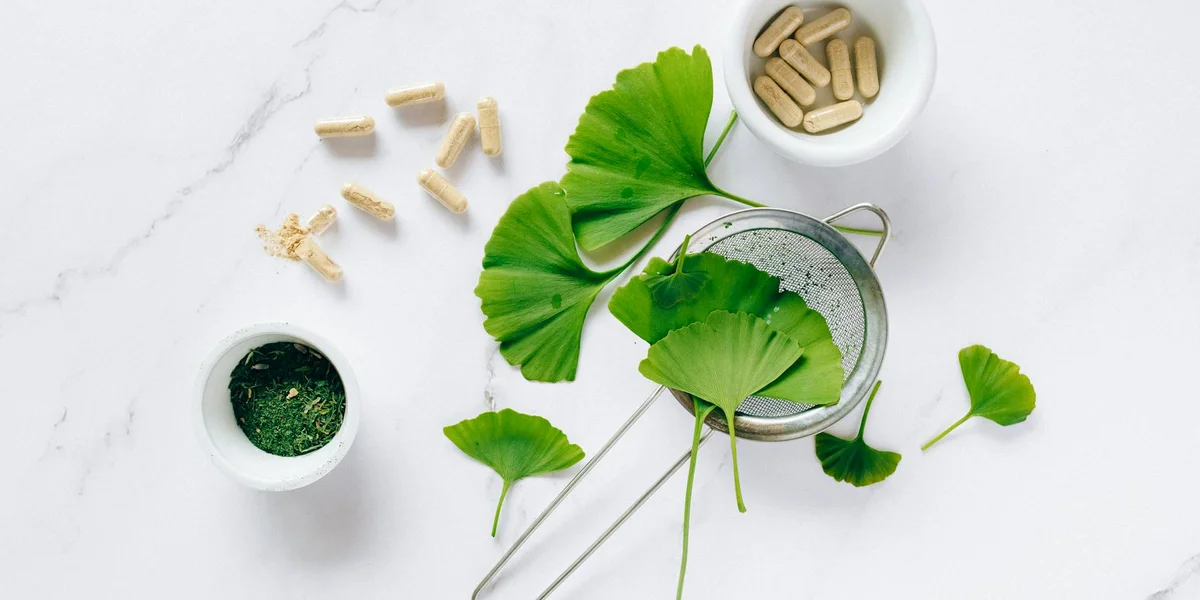
I used to think D3 only came from a powder, but adding a low-output UVB light for my leopard gecko, Griffey, was a game-changer. Providing UVB lighting allows your gecko to produce its own Vitamin D3, just like it would in the wild, which can give you more flexibility with supplementation. It’s a fantastic tool for promoting natural behavior and overall health.
Setting Up UVB Lighting in Your Gecko’s Enclosure
Getting the setup right is critical for safety and effectiveness. You can’t just use any bulb.
- Choose the Right Bulb: Use a linear fluorescent T5 or T8 tube, not a compact coil bulb. The bulb strength should be very low, around a 2% to 5% output (often sold as “ShadeDweller” or “Forest” type bulbs).
- Position it Correctly: Mount the fixture on the screen top, inside the tank if possible, following manufacturer guidelines for distance. You want to create a gentle gradient of UV, not a harsh beam.
- Provide a Light Cycle: Run the UVB light for 10-12 hours during the day, mimicking a natural photoperiod, and turn it off at night. Use a simple timer to make this automatic.
- Create Shade: Ensure plenty of hides and clutter so your gecko can choose to get out of the UV light entirely. They should never be forced to bask under it.
Adjusting Supplement Schedules with UVB Use
Once that UVB light is humming away, your supplement routine needs a tweak. The goal is to use the two systems together without overdoing it.
Think of it as an “either/or” situation for D3 on any given day. My personal schedule with UVB is to dust feeders with a pure calcium powder (no D3) at almost every feeding, and then use a calcium + D3 powder just once a week. This covers their bases without the risk of overdose from two D3 sources at once.
- If you are using a UVB light, you can significantly reduce how often you use the calcium powder that includes D3.
- Focus on providing a plain calcium supplement in a shallow dish inside the enclosure at all times. Your gecko will self-regulate and eat it as needed.
- Always monitor your gecko’s health and behavior. If you notice signs of deficiency, consult a reptile vet-they might advise temporarily increasing D3 supplementation even with UVB.
Choosing the Best Calcium and D3 Supplements
Walking down the reptile supplement aisle can be overwhelming. I’ve tried many brands over the years with my crew, and the best supplement is one that is pure, simple, and designed specifically for insect-eating reptiles. Fancy colors and strong scents are marketing, not nutrition.
Types of Calcium Powders: With or Without D3
You’ll primarily be dealing with two types of calcium powders. Keeping them separate gives you total control.
- Calcium WITH Vitamin D3: This is your main supplementation tool if you do not use UVB lighting. It ensures your gecko can absorb the calcium you’re providing. It’s powerful, so use it sparingly according to a schedule.
- Calcium WITHOUT Vitamin D3 (Plain Calcium): This is your workhorse supplement. It’s completely safe for frequent use. I leave a small bottle cap full of this in the tank 24/7 so my geckos, like the ever-particular A-Rod, can lick it up whenever they feel the need.
What to Avoid in Reptile Nutrition Products
Your gecko’s health depends on what you leave out of their diet as much as what you put in.
- Avoid Phosphorus: Steer clear of calcium powders that have added phosphorus. Leopard geckos get plenty of phosphorus from their insect diet, and excess phosphorus blocks calcium absorption.
- Skip “All-in-One” Formulas for Daily Use: Many multivitamins also contain D3. Using one of these plus a separate calcium+D3 powder is a fast track to hypervitaminosis D. Use a multivitamin only once a week or as directed.
- Beware of Artificial Additives: Avoid products with artificial colors, flavors, or preservatives. Your gecko doesn’t care if the powder is bright orange, and these chemicals can be harmful.
Always read the ingredient list-the first item should be calcium carbonate, and the list should be short and understandable. When in doubt, a simple, reputable brand of pure calcium is always a safe bet for your gecko’s long-term welfare.
Common Questions
What is the difference between calcium with D3 and without D3 for my leopard gecko?
Calcium with D3 is used to dust insects to ensure absorption, while plain calcium without D3 is for a dish in the enclosure, allowing your gecko to self-regulate its intake without risk of D3 overdose. The difference between calcium with D3 and without D3 for geckos depends on UVB exposure and dietary needs. In setups with reliable UVB, plain calcium often suffices; D3-containing calcium is used cautiously when UVB is inadequate to prevent deficiency or overdose.
Should I leave a calcium dish in my leopard gecko’s tank?
Yes, you should provide a small dish of pure calcium powder without D3 in the enclosure at all times so your gecko can consume it as needed. Understanding the critical calcium-to-phosphorus ratio is essential for gecko health, as imbalances can lead to metabolic bone disease. Aim for a balanced diet and supplement strategy that supports that ratio—use calcium powder without D3 regularly, but also provide appropriately phosphorus-containing food and proper UVB lighting.
What happens if a leopard gecko gets too much calcium?
An overdose of calcium, particularly when combined with excessive Vitamin D3, can lead to hypercalcemia, which can cause serious kidney and organ damage.
What are the symptoms of a calcium deficiency in leopard geckos?
Symptoms of calcium deficiency include lethargy, loss of appetite, tremors, difficulty walking, and in severe cases, visible bone deformities and jaw softening. These can often be recognized as signs of nutritional deficiencies in geckos.
How is a leopard gecko calcium deficiency treated?
Treatment for a calcium deficiency requires immediate veterinary care, which typically involves correcting the diet and supplement schedule, and may include calcium injections or liquid supplements.
Final Verdict
Your leopard gecko absolutely needs both calcium and vitamin D3 to stay healthy. I dust nearly every insect feeding with a high-quality calcium powder that includes D3, and I always keep a small dish of pure calcium in the tank so my geckos, like Griffey, can self-regulate. Being alert to signs of calcium deficiency is important for leopard geckos. Common indicators include tremors, weakness, poor appetite, or jaw softening. Remember, without D3, they simply cannot use the calcium you provide, which can lead to severe and painful health issues.
Providing proper supplementation is one of the most fundamental acts of responsible pet ownership. Your gecko’s well-being is in your hands, so stay curious, keep observing your pet, and never stop learning about their evolving care needs to ensure they live a long and vibrant life under your care.
Further Reading & Sources
- r/leopardgeckos on Reddit: should I dust with pure calcium or calcium with D3 I heard that they can get overdosed with D3 if you just with it I mean it makes sense they need calcium more than they do D3. he is not overweight that’s just the angle
- Can you feed a leopard gecko just with calcium or do they need D3 as well? – Quora
- Amazon.com : CoCoo Reptile Calcium Powder, Ideal for Leopard Geckos, Chameleons, Iguanas, Turtles, Chicken & Dog, Avoid Vitamin D3 Overdose in Bearded Dragons, Lizards Love It, Energy-Rich Additional Feed, 2 oz. : Pet Supplies
The Gecko Guide is your ultimate resource for gecko enthusiasts, providing expert advice and practical tips to ensure the health and happiness of your scaly companions. Alexander is a passionate gecko owner with over a decade of experience in reptile care. We are dedicated to offering accurate, up-to-date information to support your gecko journey.Our mission is to foster a community of responsible gecko owners who are passionate about the well-being of these fascinating creatures.
Supplements