
What Fruits Are Safe for Pet Geckos to Eat?
Published on: April 28, 2026 | Last Updated: April 28, 2026
Written By: Alexander 'Gecko Geek' Johnson
You want to give your gecko a tasty treat, but you’re worried that the wrong piece of fruit could make them sick. I’ve been there, staring at my crested gecko, Jeter, wondering if a tiny bit of banana is a fantastic reward or a big mistake.
I’m here to help you navigate this confusing topic. In this guide, I’ll break down everything you need to know, drawing from years of experience and established reptile care knowledge. You will learn:
- Why most geckos shouldn’t eat fruit and which popular species actually can.
- The complete list of safe fruits and the dangerous ones you must avoid.
- How to properly prepare and serve fruit to prevent health issues.
By the end, you’ll have clear, confident answers. This article covers: gecko biology, insectivore vs. frugivore diets, safe fruit list, toxic foods, preparation steps, and feeding frequency.
Can Geckos Eat Fruit?
The short answer is: it completely depends on your gecko’s species. Some geckos are designed to thrive on fruit, while for others, it can be a dangerous mistake. I learned this the hard way early on when I offered a tiny piece of banana to a leopard gecko, only to be met with utter disinterest and a subsequent, frantic cleanup of a sticky enclosure. Think of it like this: you wouldn’t feed a steak to a cow. Their digestive systems are built for specific diets. Specifically for leopard geckos, live insects are essential for proper nutrition, not fruit. Provide a varied menu of appropriately sized, gut-loaded prey and proper calcium/vitamin supplementation.
Which Gecko Species Actually Eat Fruit?
This is the most critical question to ask before you even think about slicing up a berry. Knowing your gecko’s natural diet is the single most important factor in providing safe and healthy fruit. This connects to the broader topic of gecko diet nutrition myths—9 common misconceptions that can cause health issues. By debunking these myths, we can choose fruits that support health instead of harm. Let’s break down the most common pet geckos and their relationship with fruit.
Crested Geckos and Fruit
My crested gecko, Jeter, goes absolutely wild for a fruit treat. Crested geckos are frugivorous, meaning fruit is a natural and essential part of their wild diet. In captivity, they do wonderfully on commercially prepared, fruit-based diets like Repashy or Pangea. These complete diets are perfectly formulated to meet all their nutritional needs, making them the staple of their diet. I use these prepared foods as Jeter’s main meals.
You can offer small amounts of fresh, mashed fruit as an occasional treat. My rule is no more than once a week. Jeter’s personal favorites are mashed banana and a little bit of mango puree. The key is to offer it in a tiny, lickable quantity.
Leopard Geckos and Fruit
Let me be perfectly clear: you should never feed fruit to a leopard gecko. My leopard gecko, Griffey, is a perfect example of an insectivore. His body is designed to process a diet of insects, not plant matter. Their digestive systems lack the specific enzymes needed to break down the sugars and fibers in fruit. Offering fruit can lead to severe digestive upset, impaction, and a very sick gecko. Stick to a varied diet of gut-loaded insects like crickets, dubia roaches, and mealworms for a happy, healthy leopard gecko.
Other Fruit-Friendly Geckos
Crested geckos aren’t the only ones who enjoy a fruity snack! Several other popular species share similar frugivorous or omnivorous tendencies. If you own one of these geckos, a fruit-based commercial diet should also be their primary food source. Fresh fruit is a supplement, not the main course.
- Gargoyle Geckos: My Gargoyle gecko, Mookie, has the same dietary needs as my Crested. He thrives on a Repashy diet and gets occasional fruit puree as a special bonus.
- Day Geckos: Species like the Giant Day Gecko (my chunky boy Babe is one) are big fans of fruit. They’ll eagerly lap up fruit purees and even lick nectar from flowers.
- Chahoua Geckos: Often called “Chewies,” these geckos are another great example of a species that does well on fruit-based complete diets with insect supplements.
Safe Fruits for Your Gecko: A Detailed List
Offering fruit is a fun way to enrich your gecko’s diet, but not all species can process it. This list focuses on the frugivorous species like Crested, Gargoyle, and Day Geckos who genuinely benefit from these sweet treats. This ties into our complete feeding guide, which breaks down safe fruit options by gecko species. It helps you answer questions like do pet geckos eat fruit and what a balanced, species-specific diet looks like. My leopard gecko, Griffey, would just stare at a piece of papaya, but my Crested Gecko, Jeter, goes wild for it.
Top Picks: Nutrient-Rich Fruits
These fruits offer more than just sugar; they provide valuable vitamins and are generally well-tolerated.
- Papaya: My absolute top choice. It’s packed with digestive enzymes that can aid your gecko’s gut health. Jeter always seems more active after a tiny bit of mashed papaya.
- Figs: A fantastic source of calcium, which is crucial for preventing metabolic bone disease. Offer them fresh or rehydrated from dried, unsulfured figs.
- Berries (Raspberries, Blueberries): Loaded with antioxidants. I mash a single raspberry into a paste-it’s a huge hit and stains their little mouths adorably.
- Melon (Cantaloupe, Watermelon): Great for hydration. I use these occasionally on very warm days. Just make sure to remove all the seeds first.
Use Sparingly: Higher-Sugar Options
These fruits are like candy for geckos. They’re safe for a rare treat but can lead to weight gain if overfed.
- Mango: Incredibly sweet and sticky. A tiny, pea-sized piece once a month is plenty for my crew.
- Banana: Very high in phosphorus, which can bind to calcium and prevent its absorption. I might offer a speck once or twice a year as a special birthday treat.
- Pears & Peaches: Softer and easier to eat than apples, but still quite sugary. I peel and grate a tiny amount to mix into their primary diet.
Fruits to Avoid for Gecko Safety
Some fruits are outright dangerous. When in doubt, it is always better to skip the fruit altogether than to risk your pet’s health. I have a strict “no-fly” list for my geckos’ terrariums.
Why Citrus is a No-Go
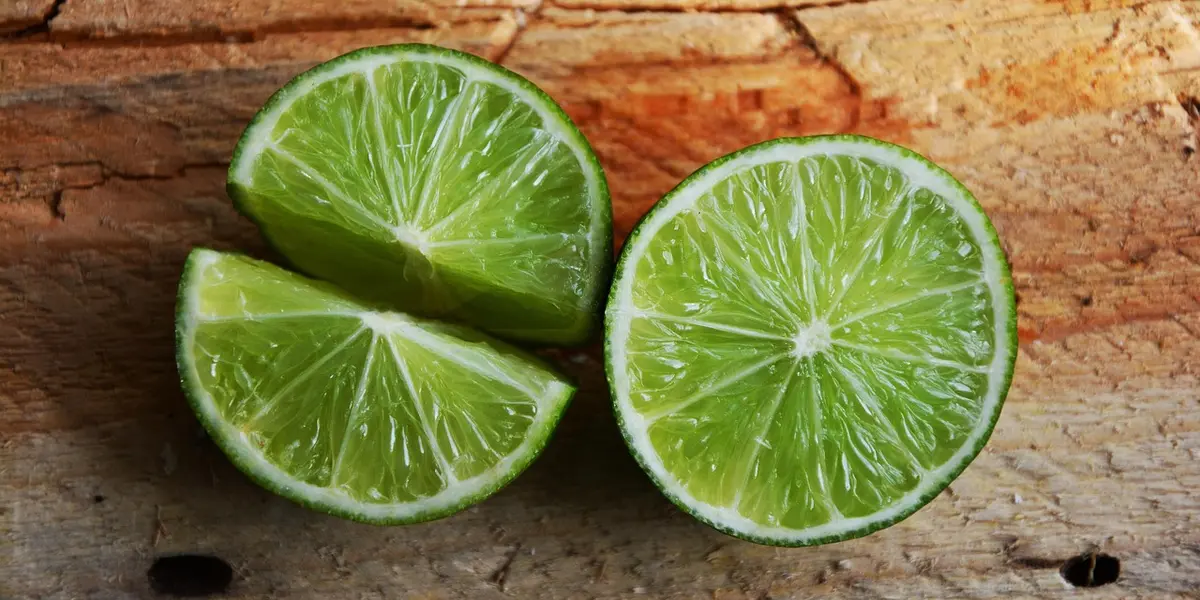
You should never feed oranges, lemons, limes, or grapefruit to any gecko. The high acidity in citrus fruits can cause severe digestive upset, mouth sores, and is far too harsh for their delicate systems. I think of it like pouring orange juice into a fish tank-it just doesn’t belong there. It’s one of those feeding mistakes that can really compromise a gecko’s health.
Other Risky Fruits and Parts
Beyond citrus, a few other common fruits and fruit parts pose significant risks.
- Avocado: Every part of the avocado-skin, flesh, and pit-contains persin, a compound that is toxic to many birds and reptiles. It’s a hard no.
- Rhubarb: The leaves are notoriously toxic, and the stalks contain oxalic acid, which can cause kidney failure. It’s not worth the risk.
- All Fruit Seeds and Pits: Apple seeds, cherry pits, and peach pits contain trace amounts of cyanide. They are also a choking hazard. Always core and deseed any fruit you offer.
- Unripe Fruit: Green bananas or hard peaches are difficult to digest and can cause blockages. Only offer ripe, soft fruit.
How to Prepare Fruit for Gecko Consumption
Washing and Peeling Basics
I always start by thoroughly washing any fruit under cool, running water. This simple step removes pesticides and dirt that could harm your gecko’s delicate system. Use a soft brush for fruits like apples or pears to scrub the surface clean. For fruits with thick or waxy skins, I peel them to prevent any digestive issues-my leopard gecko Griffey once had a tough time with unpeeled mango, so now I’m extra cautious.
Not all fruits need peeling, but it’s better to err on the safe side. Always remove seeds and pits, as they can be toxic or cause choking hazards. I chop the fruit into tiny, bite-sized pieces that are easy for geckos to manage. Here’s my quick checklist for prep:
- Rinse fruit under water for at least 30 seconds
- Peel if the skin is tough or treated with wax
- Cut into pieces smaller than your gecko’s head
- Discard any seeds or hard cores
Creating Gecko-Friendly Purees
For species like crested geckos, purees are a game-changer. I blend ripe fruits into smooth, lump-free mixtures that mimic their natural diet in the wild. My crested gecko Jeter adores a banana and papaya puree-it’s like his favorite smoothie! Use a clean blender or food processor, and add a splash of water if needed to reach a pudding-like consistency.
Purees are easier to digest and less messy in the enclosure. Store small batches in the fridge for up to three days to maintain freshness. I avoid adding sugars or preservatives. Try these simple puree combinations:
- Mashed banana with a touch of mango
- Blended figs and apricots for extra nutrients
- Papaya and peach mix-a hit with my geckos
Feeding Frequency and Portion Control
For Crested Geckos
Crested geckos thrive on regular fruit offerings. I feed Jeter a fruit-based puree every other day, about a teaspoon-sized portion. Younger geckos might need daily feedings, but adults do well on this schedule. Watch for leftovers-if he doesn’t finish it within a few hours, I reduce the amount next time.
Overfeeding can lead to obesity, so stick to modest servings. Balance fruit with commercial crested gecko diet for complete nutrition. For hatchlings, following a complete feeding guide helps ensure they receive the right nutrients during growth. Here’s a typical feeding routine I follow:
- Offer fruit puree at dusk when they’re most active
- Use a shallow dish to prevent spills
- Remove uneaten food after 12 hours to avoid mold
Adjusting for Other Species
Leopard geckos like Griffey rarely eat fruit in the wild. I only offer tiny fruit pieces as an occasional treat, no more than once a week. Their main diet is insects, so fruit should never replace protein. For African fat-tailed geckos like A-Rod, I skip fruit entirely-they’re strict insectivores and don’t digest it well.
Gargoyle and giant day geckos can enjoy fruit more often. My gargoyle gecko Mookie gets fruit puree twice a week, while Babe the giant day gecko has small bits daily. Adjust portions based on your gecko’s size and activity level. Always observe their behavior-if they ignore fruit, stick to what they love.
Safely Introducing Fruit to Your Gecko’s Diet
You have your list of safe fruits, and you’re excited to offer this new treat. The single most important rule for this process is to move at a pace your gecko sets, not the one you hope for. I learned this the hard way when I gave my crestie, Jeter, a piece of banana that was a bit too large; he was uninterested in his regular food for two days, which taught me a powerful lesson in moderation. For a complete guide to safely offering fruits to your gecko, this article covers fruit selection, portion sizes, and feeding frequency. It also flags signs of digestive trouble and how to transition to new fruits gradually.
Start Small and Observe
Think of the first fruit offering not as a meal, but as a tiny taste test. Your goal is to gauge interest and tolerance without disrupting their nutritional balance.
- Offer a Pinch: Start with a piece no larger than the space between your gecko’s eyes. For most species, this is a dab of mashed fruit or a sliver the size of a single water droplet.
- Mix with Regular Food: For insect-eating geckos like Leopard Geckos, you can mash a tiny bit of fruit and lightly coat a feeder insect. For fruit-eating species like Crested Geckos, mix a small pinch of new fruit into their prepared Crested Gecko Diet.
- Frequency is Key: Offer this tiny sample no more than once every two weeks initially. This slow frequency prevents their digestive system from being overwhelmed by sudden sugar intake. My gecko Mookie gets a fruit “treat day” once a month, and he stays perfectly healthy and energetic.
- Watch for Engagement: Does your gecko actively lick or eat the fruit? Or do they ignore it completely? Their action (or inaction) gives you your answer.
Recognizing Negative Reactions
Geckos are masters of subtle communication. A negative reaction to food won’t be a dramatic scene, but a series of small clues you must learn to read. Are gecko vocalizations part of this body language? In many gecko species, chirps and other sounds accompany movement cues like head bobbing, tail flicks, or changes in posture, making vocal signals a visible part of their communication.
- Digestive Distress: The most common sign is runny, unusually smelly, or discolored stool. If their waste isn’t the normal, firm, white-and-brown package, the fruit is likely the culprit.
- Lethargy and Hiding: A healthy gecko is an alert gecko. If yours is suddenly spending all its time hidden and seems sluggish for more than a day after trying fruit, it’s a clear signal to stop.
- Loss of Appetite: If your gecko refuses its staple food (insects or CGD) for more than one or two feeding cycles after the fruit, discontinue the fruit immediately. Their main diet is non-negotiable for their health.
- Skin or Mouth Issues: In rare cases, you might see slight swelling around the mouth or residual, sticky fruit pulp on their skin or jaws, which can lead to irritation or infection.
My A-Rod, my African Fat-Tailed gecko, once had a slightly loose stool after I experimented with mango. I simply stopped the fruit, and his system was back to normal within 48 hours. It wasn’t an emergency, just a clear message from him that mango wasn’t for him. Listening to that message is your primary job as their caretaker.
FAQs
Do geckos need fruit in their diet?
Fruit is essential for frugivorous species like crested geckos but unnecessary and potentially harmful for insectivores like leopard geckos. Know which foods are safe foods for leopard geckos. Stick to appropriate live insects with calcium supplementation, and avoid fruit.
Should fruit be offered to baby geckos?
Baby geckos of fruit-eating species can have small amounts of mashed fruit, but it should be introduced gradually and monitored closely.
Can fruit be used as a treat for geckos?
Fruit can be used as an occasional treat for frugivorous geckos, but it should not replace their staple diet.
What signs show fruit is causing issues in geckos?
Signs of fruit-related issues include runny stool, lethargy, loss of appetite, or mouth irritation.
How often can geckos eat fruit?
Feeding frequency varies by species, with frugivorous geckos like cresties having fruit-based diets regularly, while others should have it rarely or never.
Final Thoughts on Feeding Fruit
Ultimately, most geckos don’t need fruit as a regular part of their diet, but offering a tiny, properly prepared piece of soft, ripe fruit as a very occasional treat is perfectly safe for certain species like Crested and Gargoyle Geckos. Always research your specific gecko’s needs, mash the fruit into a manageable paste, and remove any uneaten food quickly to keep their home clean. When introducing any new food, it’s important to ensure it’s safe and appropriate for your pet. You can learn more about feeding human food to geckos to make informed decisions.
Being a great gecko owner means committing to lifelong learning about their unique biology. The most rewarding part of my journey has been observing their individual preferences and watching them thrive on a well-researched, species-appropriate diet. Your careful attention to what you feed them is a direct act of love and welfare.
Further Reading & Sources
- Fruit Feeding Guide: Safe Fruit for Crested Geckos
- Safe Plants and Fruits for Leopard Gecko Diets – Leopard Gecko Care
- What Fruit Can Crested Geckos Eat? 9 Safe Options | PangoVet
The Gecko Guide is your ultimate resource for gecko enthusiasts, providing expert advice and practical tips to ensure the health and happiness of your scaly companions. Alexander is a passionate gecko owner with over a decade of experience in reptile care. We are dedicated to offering accurate, up-to-date information to support your gecko journey.Our mission is to foster a community of responsible gecko owners who are passionate about the well-being of these fascinating creatures.
Gecko Nutrition & Feeding