
How Long Can You Leave Your Leopard Gecko Alone? (Care Guide)
Published on: May 3, 2026 | Last Updated: May 3, 2026
Written By: Alexander 'Gecko Geek' Johnson
Planning a trip and suddenly worried about your spotted friend back home? It’s a gut-wrenching feeling, wondering if your leopard gecko will be okay without you. I’ve been there, anxiously checking my phone for updates from the pet sitter.
Don’t stress. I’ll help you figure out a safe plan. We’ll break down the essentials so you can relax and enjoy your time away.
Here are the key takeaways we will cover:
- The absolute maximum time a healthy adult leopard gecko can be left completely alone.
- The critical checklist of preparations you MUST complete before you leave.
- When you absolutely need to hire a pet sitter, and what to tell them.
By the end of this guide, you’ll have a crystal-clear action plan tailored to your specific trip length. We will cover: maximum solo time, pre-departure checklist, hydration solutions, feeding schedules, temperature control, and emergency contact preparation.
Understanding Safe Duration for Leaving Your Gecko Alone
So, how long is too long? For a healthy adult leopard gecko with a perfect setup, a long weekend of 2-3 days is generally the absolute maximum I feel comfortable recommending. I’ve pushed it to four days with my gecko, Griffey, but I was a nervous wreck the entire time and do not recommend it. People often ask how long leopard geckos survive without heat. In practice, heat is essential, and extended periods without it are not safe.
The safe window depends heavily on three key factors:
- Age and Health: A robust adult can handle a short absence better than a juvenile, a senior, or any gecko with known health issues. Their reserves are simply lower.
- Your Setup’s Reliability: Is your thermostat a trusted old friend or a questionable new gadget? The more automated and fail-safe your habitat, the less you have to worry.
- Species-Specific Needs: Unlike some reptiles, leopard geckos are insectivores and need fresh, live food. This is the biggest limiter. You can’t just fill a bowl with kibble and leave.
I think about it like this: leopard geckos can live for 15-20 years in captivity. That incredible longevity is directly tied to consistent, attentive care. While they are hardy, repeatedly stretching their alone time stresses the system that keeps them thriving for decades. A 20-year commitment isn’t a casual promise—it’s a daily plan to meet their needs, from feeding and warmth to enclosure upkeep and vet visits. If you’re truly prepared for that lifespan, you’re in the right place.
Preparing for Short Absences: 2-3 Days Alone
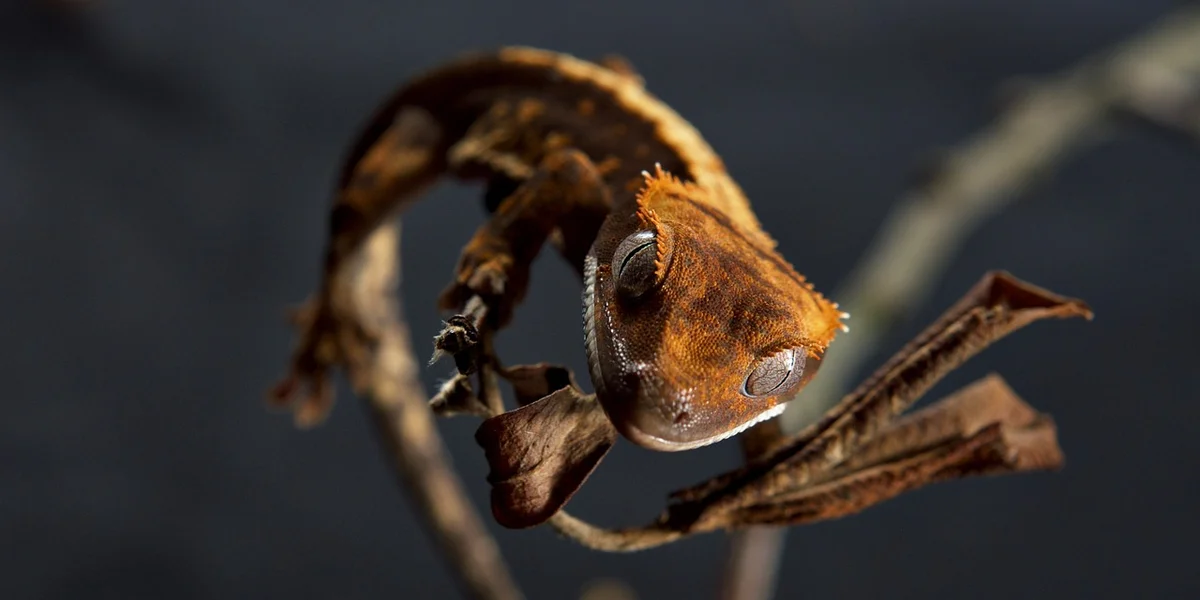
Planning is everything. Here is my personal checklist I run through before any short trip.
Pre-Departure Habitat Checklist
- Feed a Substantial Meal: The day you leave, offer a larger-than-usual meal of gut-loaded insects. Do not leave a bowl of live insects in the tank; they can stress or even bite your gecko.
- Hydration is Key: Scrub and refill the water dish with fresh, clean water. I use a slightly larger, heavy-bottomed dish to minimize evaporation and spillage.
- Spot Clean the Enclosure: Remove any waste or shed skin. A clean tank prevents bacterial growth while you’re away.
- Double-Check Temperatures: Verify your under-tank heater and thermostat are maintaining a steady warm side of 88-92°F and a cool side around 70-75°F.
Simple Automation Tips
You don’t need a smart home, just smart gear.
- Use a Reliable Thermostat: This is non-negotiable. A good thermostat prevents your heat mat from becoming a cooktop. It’s the best insurance policy you can buy.
- Lighting Timers are a Lifesaver: A simple, cheap outlet timer for your daylight bulb maintains a consistent day/night cycle, reducing stress for your pet.
For absences longer than three days, you must arrange for a pet sitter to check in, offer fresh water, and provide food. Long crested geckos can go without food and water only briefly. They still need regular care when you’re away. There is no safe workaround. Your gecko’s well-being depends on it.
Extended Care for Longer Trips: 1 Week or More
Planning a vacation that stretches beyond a week requires a more robust care plan. Leaving a leopard gecko entirely alone for this long is a significant risk to their health and well-being, especially considering how long they can actually go without food and water. My gecko, Griffey, is quite independent, but I would never leave him to fend for himself for seven days.
Automating the Essentials
Technology can bridge some of the gaps, but it’s not a complete solution.
- Automatic Feeders: Specialized reptile feeders can dispense pre-measured dry diets or pellets. I’ve found they work best for supplementing a primary food source, as leopard geckos thrive on live insects.
- Environmental Controls: A quality thermostat is non-negotiable. It connects to your heat source and maintains a precise temperature, preventing dangerous spikes or drops. For lighting, simple plug-in timers are perfect for automating day/night cycles.
- Water Systems: A gravity-fed water dish is a simple, low-tech way to ensure a fresh water supply for the duration of your trip.
When to Involve a Pet Sitter
Automation handles the environment, but a living creature needs a living caretaker.
- Feeding is the Main Event: Your gecko needs live, gut-loaded insects. A pet sitter should visit at least twice a week to offer food and remove any uneaten crickets that could stress or nibble on your pet.
- Health Monitoring: A sitter provides eyes on the ground. They can spot early signs of illness, like lethargy or weight loss, that you’d miss on a camera.
- Waste Cleanup: A quick spot-cleaning of feces during feeding visits keeps the enclosure sanitary and prevents bacterial growth.
Reducing Stress While You’re Away
A calm gecko is a healthy gecko. A sudden change in routine is their biggest stressor.
- Maintain Stable Conditions: Test all your automated systems for at least a week before you leave. You want everything running smoothly so your gecko doesn’t notice a difference.
- Provide Consistent Enrichment: Don’t rearrange the tank right before you go. Familiar hides, a moist hide for shedding, and the same substrate provide immense comfort.
- Limit Interactions: Instruct your pet sitter to be calm and quiet. This isn’t the time for handling or deep-cleaning the tank.
Essential Terrarium Setup for Owner Absence
Your gecko’s home must become a self-sufficient fortress of stability. A proper setup is your number one defense against problems while you are away. I learned this the hard way years ago when a timer failed, and I came home to a very cold, very unhappy gecko.
Maintaining Temperature and Humidity
Consistency is everything. Fluctuations can lead to stress, digestive issues, and respiratory infections.
- Heating: I strongly prefer a halogen bulb connected to a dimming thermostat for the daytime basking spot. It provides the most natural and beneficial heat. For nighttime, if your home drops below 65°F (18°C), a non-light emitting ceramic heat emitter (CHE) on a thermostat is essential.
- The Basking Spot: This area must be reliable. Use a digital thermometer to ensure it consistently reaches 88-92°F (31-33°C). This heat is critical for your gecko to properly digest any food they eat.
- Humidity: The moist hide is your primary tool. Before you leave, ensure the sphagnum moss or paper towels inside are thoroughly dampened. This provides a localized humidity chamber for perfect sheds without raising the tank’s overall humidity too high.
The Power of Timers and Automation
Your gecko’s world runs on a predictable schedule.
- Lighting Timer: Set your day-light and any UVB light on a 12-hours-on, 12-hours-off cycle. This simple device mimics the sun and provides crucial routine.
- Thermostat is Key: This isn’t optional. A thermostat actively regulates your heat source to maintain the exact temperature you set, 24/7. It’s the brain of your operation.
- Backup Plans: Consider a battery backup for your thermostat in case of a brief power outage. Also, inform your pet sitter what to do if the power goes out.
Ensuring a Secure Enclosure
A final safety check can prevent a nightmare scenario.
- Latch Check: Physically test all cage doors and lids to ensure they are securely latched. A determined gecko can sometimes nudge a weak closure open.
- Cord Safety: Secure any electrical cords so they are not dangling where your gecko could climb them or where a pet sitter could trip.
- Remove Hazards: Take out any unstable décor that could topple over. The goal is a safe, stable, and boringly predictable environment until you return.
Feeding and Hydration Strategies When Away
Before you head out, feed your leopard gecko a hearty meal of gut-loaded insects like crickets or dubia roaches. I always dust Griffey’s food with calcium and vitamin supplements 24 hours before I leave to ensure he gets those essential nutrients without risk of overdose. This mimics their natural feeding rhythm and keeps them satisfied longer. It ties into the complete leopard gecko diet feeding guide, which covers proper meals, timing, and supplements.
For hydration, a deep, sturdy water dish works wonders to reduce evaporation. Automated misters can maintain humidity, but I’ve found a simple drip system or even a larger water bowl in a cool corner does the trick without the fuss of electronics. Just make sure it’s shallow enough to prevent drowning risks.
From my experience, uneaten insects can stress your gecko or spoil quickly. Remove any leftovers within a few hours to avoid mess and potential health issues—especially when Mookie got bothered by rogue crickets! Rotate insect types for variety, and consider a timed feeder for longer trips to keep nutrients balanced. It’s just one of those common feeding problems that can be easily managed with a little attention.
Recognizing Signs of Stress and Illness
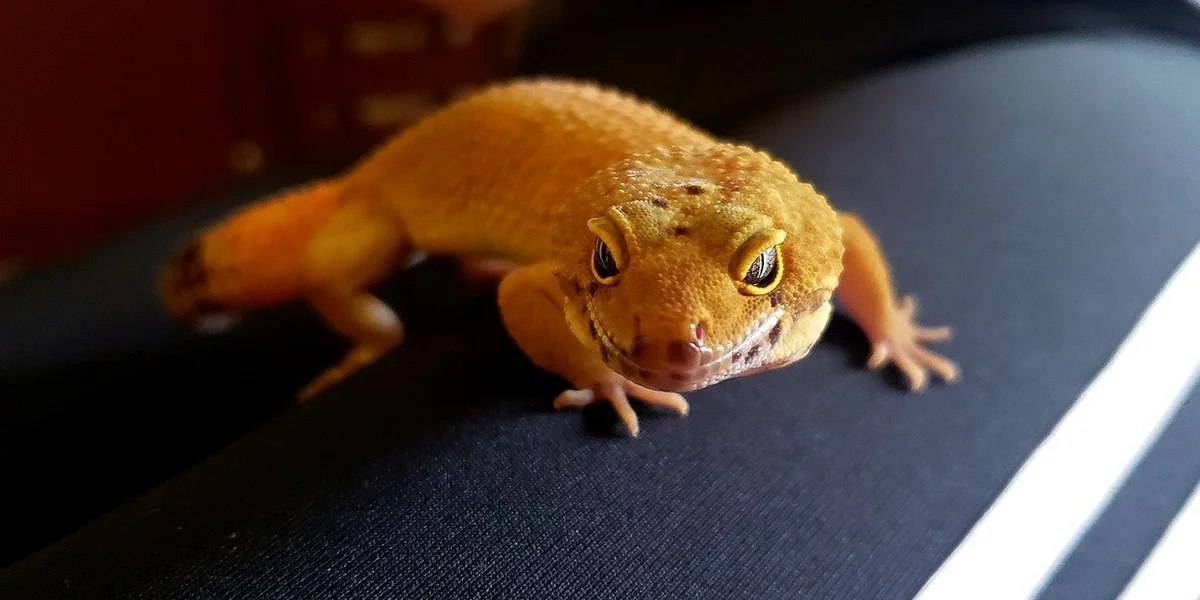
Watch for common stress signals that something’s off. To tell gecko stress from normal behavior, learn what typical, relaxed activity looks like. This helps you spot when stress is present. Lethargy, like when Jeter stops perching high, or a sudden loss of appetite are big red flags that your gecko isn’t feeling right. Unusual behaviors, such as excessive hiding or glass surfing, often mean they’re uncomfortable.
Health issues can pop up fast, like long white poop indicating parasites or diet troubles. If you spot odd droppings or weight loss, it might be time for a vet visit-I once caught this early with A-Rod and avoided a bigger problem. Keep an eye on their tail fat reserves; a skinny tail screams trouble.
Monitoring is key for early detection. Set up a cheap pet cam to watch for changes, or have a sitter send daily reports on behavior and eating habits. I use a camera to check on Babe’s basking spots, and it gives me peace of mind knowing I can act fast if needed.
Emergency Plans and When to Seek Help
Even with the best-laid plans, life happens. Having a clear, written emergency plan is not just a good idea-it’s a non-negotiable part of responsible gecko ownership. From my own panicked experience during a sudden winter storm blackout, I learned that knowing what to do beforehand makes all the difference. You should create a gecko habitat emergency plan to handle power outages and equipment failure.
Handling Common Emergencies
Let’s break down the two most likely scenarios you might face.
Power Outages and Temperature Drops
A cold tank is a silent, fast-acting emergency for a leopard gecko. Their metabolism grinds to a halt.
- Insulate Immediately: Wrap the tank in blankets or towels to trap any residual heat. Cover the top (while leaving room for air flow) and the sides.
- Use Hand Warmers: Activate chemical hand warmers, wrap them in a thin towel, and place them on the *outside* of the tank glass, not inside where your gecko could get burned.
- Monitor Closely: Keep a thermometer in the tank to track the temperature. Your goal is to keep it above 65°F (18°C).
Gecko Escapes
If your gecko makes a great escape, don’t panic. They are curious but often don’t wander far.
- Secure the Room: Close the door to contain the search area. Block gaps under doors with towels.
- Check Warm, Dark Spaces: Look inside shoes, behind furniture, in closets, and under appliances. Use a flashlight to peer into shadows.
- Set Humane Traps: Place a small, shallow dish of water and a hide box with a familiar-smelling item (like a piece of their tank decor) in the room. You can also try sprinkling a line of flour on the floor to track their movement.
Your Emergency Support Team
You cannot and should not handle everything alone. Your two most important contacts are a trusted pet sitter and an exotic vet. I have both numbers saved in my phone and written on a sheet on my fridge.
- The Pet Sitter: This shouldn’t just be a willing friend. Train them on the basics: how to spot-clean, offer food, and, most critically, how to check that heating equipment is functioning. A quick daily text with a temperature reading can give you immense peace of mind.
- The Exotic Veterinarian: Not all vets treat reptiles. Find one *before* you need one. Know their after-hours emergency protocol. In a health crisis, time is critical and having a vet who understands reptile biology can save your gecko’s life.
When you see signs of serious distress-like labored breathing, lethargy that doesn’t improve with warmth, visible injury, or a lack of droppings for over a week-it’s time to call the vet. Trust your gut; you know your scaly friend better than anyone. Quick, informed action is the best weapon you have against a crisis.
FAQs
How long do female leopard geckos live?
Female leopard geckos typically live for 15-20 years in captivity with proper care, similar to males.
How do I use a halogen light for my leopard gecko?
Install a halogen bulb with a dimming thermostat and timer to create a consistent basking area of 88-92°F during the day, turning it off at night to mimic natural cycles.
What special care is needed for leopard geckos in London?
In London’s variable climate, use reliable heating and humidity controls to maintain stable enclosure conditions, as indoor temperatures can fluctuate with the weather.
Why is a halogen bulb recommended for leopard geckos?
Halogen bulbs provide naturalistic heat and light that support digestion and overall well-being, making them a preferred choice for leopard gecko enclosures.
What should I do if my leopard gecko has long white poop?
Consult a veterinarian promptly, as long white poop can indicate parasitic infections or dietary issues that need professional diagnosis and treatment.
The Bottom Line on Leaving Your Leopard Gecko
The core rule is simple: a healthy, well-set-up adult leopard gecko can handle a weekend alone, but any trip longer than three days absolutely requires a pet sitter. Your success hinges entirely on your preparation—a deep clean, a full water dish, and a final health check are non-negotiable steps before you walk out the door, especially if you’re planning to travel with your gecko.
Caring for a gecko is a long-term commitment to a living creature that depends on you for its entire world. Their well-being is our highest priority, so never stop observing, asking questions, and refining your care routine to give your scaly friend the best life possible.
Further Reading & Sources
- r/leopardgeckos on Reddit: Leaving a leopard gecko for a week
- Leaving Leopard Gecko home alone for a week and a half. What should the caretakers do | MonsterFishKeepers.com
- How Long Can You Leave A Leopard Gecko Alone? – Berry Patch Farms
The Gecko Guide is your ultimate resource for gecko enthusiasts, providing expert advice and practical tips to ensure the health and happiness of your scaly companions. Alexander is a passionate gecko owner with over a decade of experience in reptile care. We are dedicated to offering accurate, up-to-date information to support your gecko journey.Our mission is to foster a community of responsible gecko owners who are passionate about the well-being of these fascinating creatures.
Gecko Care Guides