
How to Create the Ultimate Environmental Enrichment Setup for Your Gecko
Published on: May 10, 2026 | Last Updated: May 10, 2026
Written By: Alexander 'Gecko Geek' Johnson
You’ve nailed the basics-a warm tank, a full food dish, and fresh water-but you’re worried your gecko’s life might be a little… boring. I’ve been there, watching my leopard gecko, Griffey, pace the same stretch of glass, and I knew I had to do better for him.
This guide will help you transform that simple enclosure into a dynamic playground. We’ll focus on three core principles that make all the difference:
- Mimicking the complex terrain of their natural habitat.
- Providing choices for climbing, hiding, and exploring.
- Engaging their senses and natural hunting instincts.
You’ll get clear, step-by-step advice you can act on today. The complete roadmap we’re covering includes: enclosure selection, substrate choices, furniture & hides, sensory enrichment, and maintenance & safety checks. Let’s build a home your gecko will truly thrive in.
What is Gecko Environmental Enrichment and Why Does It Matter?
Environmental enrichment isn’t just about making your gecko’s tank look pretty. It’s the practice of creating a dynamic and stimulating habitat that encourages your pet’s natural behaviors. Think of it as moving them out of a basic hotel room and into a full-service resort with activities.
In my years of caring for geckos like my curious leopard gecko, Griffey, I’ve seen firsthand how a boring enclosure leads to a bored gecko. A gecko with nothing to do might become lethargic or even show signs of stress, like refusing food. An enriched environment gives them choices—where to climb, where to hide, and how to explore—which is fundamental to their well-being. That observation invites a deep dive into gecko enrichment and why mental stimulation matters. In upcoming posts, I’ll unpack practical enrichment ideas and the science behind keeping geckos curious and thriving.
Enrichment directly supports their physical and mental health. It promotes exercise, prevents obesity, reduces stress-related behaviors, and simply makes their lives more interesting. Providing a complex habitat is one of the most direct ways we can advocate for our pets’ welfare in captivity.
Essential Habitat Elements Every Gecko Enclosure Needs
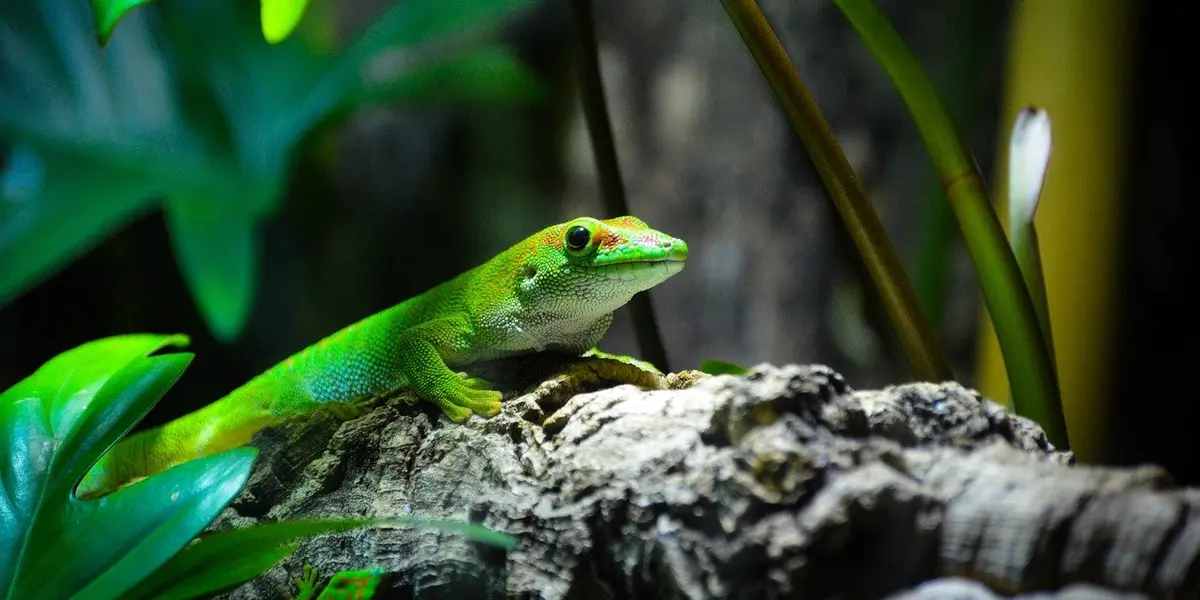
Building the ultimate setup is like assembling a puzzle where every piece has a purpose. You can’t just throw in a food dish and a rock and call it a day. A proper habitat addresses all of your gecko’s instinctual needs for security, thermoregulation, and activity. When planning, consider the essential supplies for a complete habitat setup for crested geckos, from humidity control to safe climbing branches. This ensures your gecko’s environment is both functional and engaging.
Here are the non-negotiable components for a thriving gecko home:
- Multiple Hiding Spots: At least two-one on the warm side and one on the cool, moist side. This gives them a sense of security no matter where they are.
- A Proper Moist Hide: This is crucial for aiding healthy shedding. I use a simple plastic container filled with moist sphagnum moss for all my geckos.
- Climbing Structures: Branches, cork bark rounds, and sturdy vines. Even my terrestrial leopard geckos enjoy a low, secure branch to climb on.
- Visual Barriers: Plants (live or artificial) and decorations that break up the line of sight. This makes the tank feel larger and more private.
- A Designated Feeding Area: A flat, clean surface like a small tile or dish to keep feeding tidy and predictable.
Creating the Perfect Temperature and Humidity Gradients
Getting the temperature and humidity right is the invisible foundation of a healthy enclosure. Gradients are key—your gecko needs options so it can self-regulate its body temperature throughout the day. To create the perfect temperature gradient gecko enclosure, map warm, mid, and cool zones. Let your gecko move between them to regulate its body temperature.
My crested gecko, Jeter, will spend his morning high up in the warmer part of his tank and move down to the cooler, damper areas in the afternoon. This is normal and healthy behavior!
Here is a simple guide to the gradients different geckos need:
| Gecko Species | Warm Side | Cool Side | Humidity Level |
|---|---|---|---|
| Leopard Gecko | 88-92°F (31-33°C) | 70-77°F (21-25°C) | 30-40% |
| Crested Gecko | 72-78°F (22-26°C) | 68-75°F (20-24°C) | 60-80% |
| African Fat-Tailed Gecko | 88-92°F (31-33°C) | 75-80°F (24-27°C) | 50-60% |
Always use thermostats with your heat sources to prevent dangerous overheating. I learned this the hard way with a malfunctioning heat pad years ago. For humidity, a digital hygrometer is your best friend for accurate readings. A quick misting in the evening usually does the trick for species that need it.
Selecting Safe Substrates and Decorations
What you put on the floor of the tank and how you decorate it can be a matter of health and safety. The wrong substrate can cause life-threatening impaction if ingested, while sharp decor can lead to nasty cuts and infections.
I am a huge advocate for reptile-safe, non-particle substrates for most beginner and intermediate keepers. They are simply the safest bet.
- Safe & Recommended Options:
- Paper Towel: My go-to for quarantine enclosures. It’s cheap, sterile, and easy to monitor health.
- Slate or Ceramic Tile: Provides a secure footing, files down claws naturally, and retains heat beautifully.
- Reptile Carpet: Easy to clean, but you must check for loose threads that can snag toes.
- Bioactive Substrate: A mix of soil, sand, and leaf litter for a natural, self-cleaning system. This is an advanced but highly rewarding option.
- Substrates to Use with Caution or Avoid:
- Calcium Sand: It clumps when wet and is a major impaction risk. I do not recommend it.
- Crushed Walnut Shells: Sharp edges can injure your gecko’s delicate skin and eyes.
- Cedar or Pine Shavings: The aromatic oils are toxic to reptiles.
For decorations, think smooth and stable. All items should be thoroughly washed and rinsed before being introduced to the habitat. Sand down any rough edges on wood or rocks. Ensure all climbing structures are securely placed so they can’t topple over and injure your pet. My gargoyle gecko, Mookie, is a powerful leaper, so I always double-check that everything is anchored down after cleaning.
Step-by-Step Guide to Building Your Gecko’s Enriched Habitat
Setting Up Basking Areas and Hiding Spots
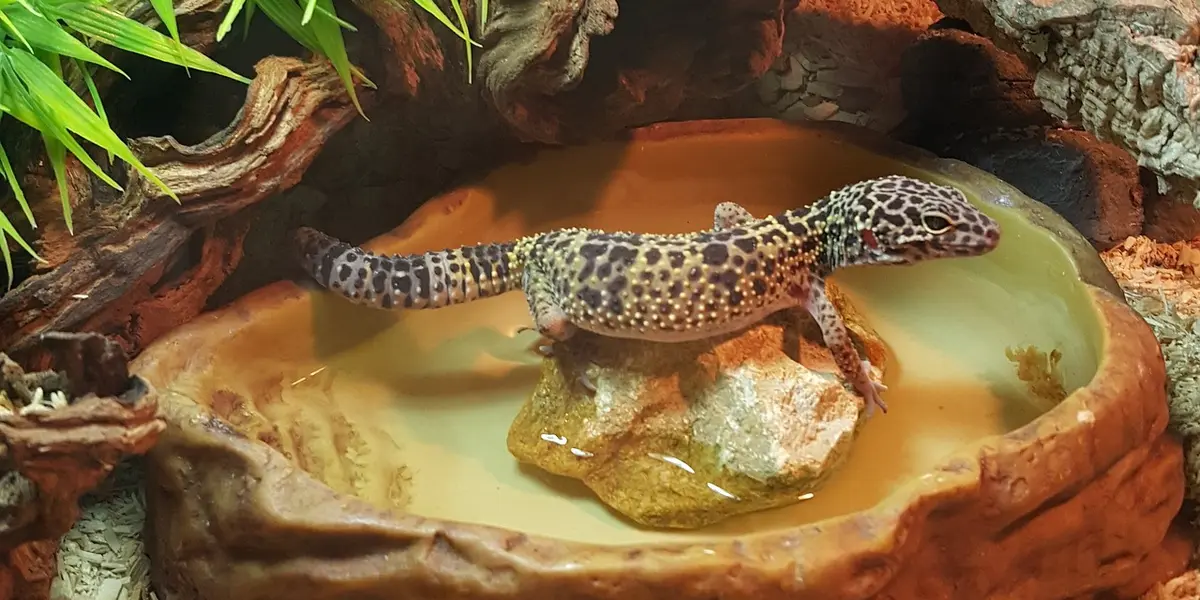
Creating the right thermal gradient is the first and most critical step. Your gecko needs a clear, warm basking zone to digest food and regulate its body temperature. Leopard geckos have specific tank temperature requirements that guide how you set up their enclosure. Getting these conditions right supports digestion, activity, and long-term health. I use a high-quality under-tank heater paired with a thermostat on one side of the tank for my leopard gecko, Griffey. This setup provides a consistent belly heat that mimics the warm rocks they would naturally seek out in the wild.
Hiding spots are non-negotiable for a gecko’s sense of security. You must provide at least three hides: one on the warm end, one on the cool end, and a humid hide in the middle for shedding. My gecko A-Rod is a master of redecorating, and I’ve learned that placing hides with only one entrance against the glass makes them feel safer. A secure gecko is a gecko you’ll see out and about more often, paradoxically.
- Warm Hide: Place this directly over the heat source. Use a flat rock or a commercial hide.
- Cool Hide: Place this on the opposite, unheated side of the enclosure.
- Humid Hide: Fill a small container with damp sphagnum moss or paper towel and cut a small entrance hole.
Incorporating Climbing Structures and Water Dishes
Don’t underestimate your gecko’s desire to climb! Even my ground-dwelling leopard gecko, Griffey, enjoys scrambling over low, secure branches. For my crested gecko Jeter and gargoyle gecko Mookie, vertical space is their entire world. This is exactly why many keepers design multi-level habitats to maximize vertical space for arboreal geckos. A tall, tiered enclosure not only looks impressive but also provides endless climbing opportunities. Providing climbing opportunities engages their muscles and satisfies their natural instinct to explore different elevations.
The water dish is more than just a hydration station; it’s a multi-purpose environmental feature. Choose a dish that is shallow enough to prevent drowning but large enough for your gecko to soak its entire body if it chooses. I use a heavy, flat-bottomed ceramic dish to prevent spills from my more energetic geckos. Place the water dish on the cooler side of the tank to keep the water fresh and slow evaporation.
- Select branches and vines that are thicker than your gecko’s body for a secure grip.
- Secure all climbing structures firmly to the sides of the tank or to a solid background to prevent dangerous collapses.
- Add a smooth, flat stone near the water dish. Geckos often use it as a stepping stone and it helps keep their nails filed.
Species-Specific Enrichment Strategies
Leopard Gecko Ground-Level Enrichment
Leopard geckos are terrestrial adventurers. Their enrichment is all about what’s happening on the floor of their home. I use a mix of reptile-safe sand and topsoil for my gecko Griffey, which allows him to exhibit natural digging behaviors. For the best substrate bedding for leopard geckos, choose a safe, textured mix that supports digging and is easy to clean. A good blend typically balances safety, moisture control, and tactile variety to keep geckos curious. A varied substrate texture is like giving your gecko a new landscape to explore with its feet every single day.
I create a “dig box” in one corner filled with moist coconut fiber, which he occasionally uses instead of his humid hide. Scatter feeding is another fantastic game; instead of using a bowl, I place his mealworms in a clean, flat jar lid and hide it under a fake plant. This encourages his natural foraging instincts and turns dinner time into a stimulating hunt.
- Provide slate tiles or flat rocks to create natural basking platforms and aid in nail maintenance.
- Use reptile-safe cork rounds and half-logs to create tunnels and covered pathways.
- Rotate different textured items, like a smooth river stone or a piece of cholla wood, to investigate.
Crested and Gargoyle Gecko Vertical Space Ideas
For these arboreal acrobats, the sky’s the limit. The most important piece of equipment is a tall tank, not a long one. My geckos Jeter and Mookie live in enclosures that are 18 inches tall, and they use every single inch. A crowded-looking tank to you is a complex, jungle-gym paradise to a crested or gargoyle gecko.
I use a combination of magnetic ledges, suction cup plants, and securely anchored cork bark tubes to create a layered, three-dimensional world. I often find Mookie launching himself between perches, mimicking his wild behavior. Position food and water ledges at various heights to encourage natural movement and exploration throughout the entire enclosure.
- Install a magnetic feeding ledge high up on the glass for their Crested Gecko Diet.
- Weave broad-leafed plants, like fake or live pothos, through branches to create dense foliage for hiding.
- Use a background with built-in planters or texture to maximize the usable surface area for climbing.
Maintaining and Refreshing Your Gecko’s Environment
Creating Enrichment Through Scent Trails and Toys
Think beyond what your gecko sees and consider what they smell. A gecko’s world is heavily defined by scent. I create simple scent trails for my leopard gecko, Griffey, by rubbing a bit of mashed banana or waxworm on a clean rock and placing it a few inches away from his usual hide. Watching him follow that trail with intense curiosity is a joy and provides fantastic mental exercise, especially when you’re encouraging natural foraging behavior.
You don’t need expensive pet store toys. Safe, DIY options are everywhere. My crested gecko, Jeter, loves his “leaf pit.” I just pile up clean, dry magnolia leaves in a corner. He spends hours rustling through them, foraging for the occasional spritz of water or a hidden piece of repashy. For climbers like Mookie, my gargoyle gecko, I use clean, pesticide-free twigs from my yard, baking them first to sterilize. Rearranging these every few weeks creates a whole new jungle gym.
- Food-Based Trails: Smear a tiny bit of fruit puree or insect guts on a clean surface for them to track.
- Natural Foraging Pits: Use dried leaves, coconut fiber, or sphagnum moss to hide food or water droplets.
- Novel Objects: Introduce a clean, smooth stone, a new piece of cork bark, or a paper towel roll for investigation.
Safety Checks and Ethical Considerations
Every new item in the terrarium gets the same rigorous inspection. I run my fingers over every surface, feeling for sharp edges or splinters. If it can snag a piece of pantyhose, it can injure your gecko’s delicate skin. I learned this the hard way with a seemingly smooth piece of wood that gave A-Rod a tiny scrape.
Ethics are central to enrichment. It should reduce stress, not cause it. Forcing a shy gecko like A-Rod into an open, busy setup is not enrichment-it’s torment. I always provide multiple, well-concealed hides so he feels secure. Respecting your gecko’s individual personality is the most important ethical rule of all. Observe their body language. If they are consistently avoiding an item or area, it’s not enriching for them, and you should try a different approach. This also applies when handling your gecko.
- Check all climbing structures for stability; a fall can be devastating.
- Ensure all live plants are non-toxic and pesticide-free.
- Never use sticky tapes, glues, or small, ingestible objects.
- Always provide a choice-multiple hides, multiple basking spots, multiple water sources.
Troubleshooting Common Enrichment Challenges
When Your Gecko Ignores New Elements
Don’t be disheartened if your gecko acts like a new hammock is invisible. This is normal. Geckos are creatures of habit. When I first introduced a beautiful new vertical branch for Jeter, he pretended it didn’t exist for a solid week. Patience is your most powerful tool; geckos need time to accept novelty on their own terms.
Try scenting the new item. Rubbing it gently with a shed skin or placing it near a familiar hide for a few days can make it smell “safe.” Sometimes, a simple relocation does the trick. What was ignored on the cool end might become a favorite basking spot on the warm end.
- Leave it in place for at least a week without moving it.
- Scent it with something familiar from their environment.
- Relocate it to a different, high-traffic area of the enclosure.
- Combine it with a positive experience, like placing a favorite food nearby.
Adjusting for Health or Behavioral Changes
Enrichment isn’t static. It must evolve with your gecko. When my big guy, Babe Ruth, started putting on a little too much “power,” I had to adjust his feeding enrichment to encourage more movement. A change in your gecko’s behavior is your first clue that their environment needs a tweak.
If a previously active gecko becomes lethargic and avoids all enrichment, it’s a potential health red flag. Conversely, a sudden spike in glass surfing or hiding could mean the setup is now too stimulating. For an aging gecko, simplify the terrain. I replaced Mookie’s high, precarious branches with lower, more stable platforms as he got older to prevent risky leaps. Your gecko’s setup should be a dynamic support system, changing as they do.
- Weight Gain: Switch to more mobile feeder insects and spread food out to encourage foraging.
- Lethargy/Loss of Appetite: Consult a vet first, then consider if the temperature or humidity is wrong.
- Increased Stress Signs: Add more visual barriers and secure hides to make the space feel safer.
- Advanced Age: Lower climbing elements and ensure easy access to food, water, and heat.
FAQs
How often should I refresh the enrichment in my gecko’s habitat?
Refresh enrichment items every 2-4 weeks to maintain engagement without overwhelming your gecko.
What household items can I safely use for gecko enrichment?
Use clean, non-toxic items like paper towel rolls, untreated wood branches, or smooth stones after baking or washing to sterilize them.
How can I monitor if the enrichment is effective for my gecko?
Watch for increased exploration, natural behaviors like climbing or foraging, and reduced signs of stress such as glass surfing or constant hiding.
Final Words
Creating the ultimate enrichment setup boils down to three things: variety, safety, and observation. Offer a mix of climbing branches, secure hides, and different textures to stimulate your gecko’s natural instincts. I’ve seen my own geckos, like Mookie, become far more active and engaged once their home became a playground, not just a box. Rotate their décor occasionally and watch how they interact with it—their behavior is your best guide.
Remember, a thoughtfully designed habitat is a core part of responsible pet ownership. Caring for an animal means committing to their lifelong well-being, which includes continuously learning and adapting your care techniques. Stay curious, connect with other gecko enthusiasts, and always advocate for the highest standard of welfare for your scaly friend.
Further Reading & Sources
- Promoting Natural Behaviors in Geckos Through Enrichment – IAABC FOUNDATION JOURNAL
- Improving Leopard Gecko Welfare Through Environmental Enrichment – Faunalytics
- Providing Enrichment for your Gecko – Gecko Time
The Gecko Guide is your ultimate resource for gecko enthusiasts, providing expert advice and practical tips to ensure the health and happiness of your scaly companions. Alexander is a passionate gecko owner with over a decade of experience in reptile care. We are dedicated to offering accurate, up-to-date information to support your gecko journey.Our mission is to foster a community of responsible gecko owners who are passionate about the well-being of these fascinating creatures.
Enrichment Items