
Leopard Gecko Tank Temperature: A Simple Guide
Published on: May 26, 2026 | Last Updated: May 26, 2026
Written By: Alexander 'Gecko Geek' Johnson
Getting the temperature wrong in your leopard gecko’s tank is one of the fastest ways to make your pet sick. I learned this the hard way early on, and it’s a worry that keeps many new owners up at night.
But don’t stress. I’m here to break it down for you. We’ll cover the three absolute essentials you need to know to create the perfect, healthy environment for your gecko.
- Why a thermal gradient is non-negotiable for their digestion and health.
- The exact temperatures needed for the hot spot, cool side, and during the night.
- How to choose and set up the right heating equipment safely.
By the end of this guide, you’ll have a crystal-clear roadmap. You will master: temperature zones, heating tools, thermostat use, monitoring, and troubleshooting common problems.
How Hot Should a Leopard Gecko Tank Be?
Getting the temperature right isn’t just a suggestion; it’s the foundation of your gecko’s health. Their bodies literally depend on external heat to function. I learned this the hard way when my gecko, Griffey, stopped eating because his tank was a few degrees too cool. If you’re wondering how to tell if your leopard gecko is too cold, look for signs like lethargy, hiding, or a sluggish shed. Use a reliable thermometer to check basking and nighttime temps to confirm.
You need to create two distinct zones in the enclosure. This allows your gecko to self-regulate, just like they would in the wild. Doing so also helps prevent common gecko illnesses by reducing stress and stabilizing humidity and temperature. A proper habitat setup keeps the enclosure clean and promotes healthy immune function.
- Basking Spot: 88°F – 92°F (31°C – 33°C)
- Cool Side: 72°F – 78°F (22°C – 26°C)
- Nighttime Temp: Can drop to the low 70s°F (low 20s°C)
Watch your gecko’s behavior; they will tell you if the temperature is wrong. When Griffey’s basking spot was too cool, he would spend all his time pressed against the warm glass. Once I corrected it, he started happily basking on his slate rock after meals, aiding his digestion perfectly.
Creating a Safe Temperature Gradient in Your Tank
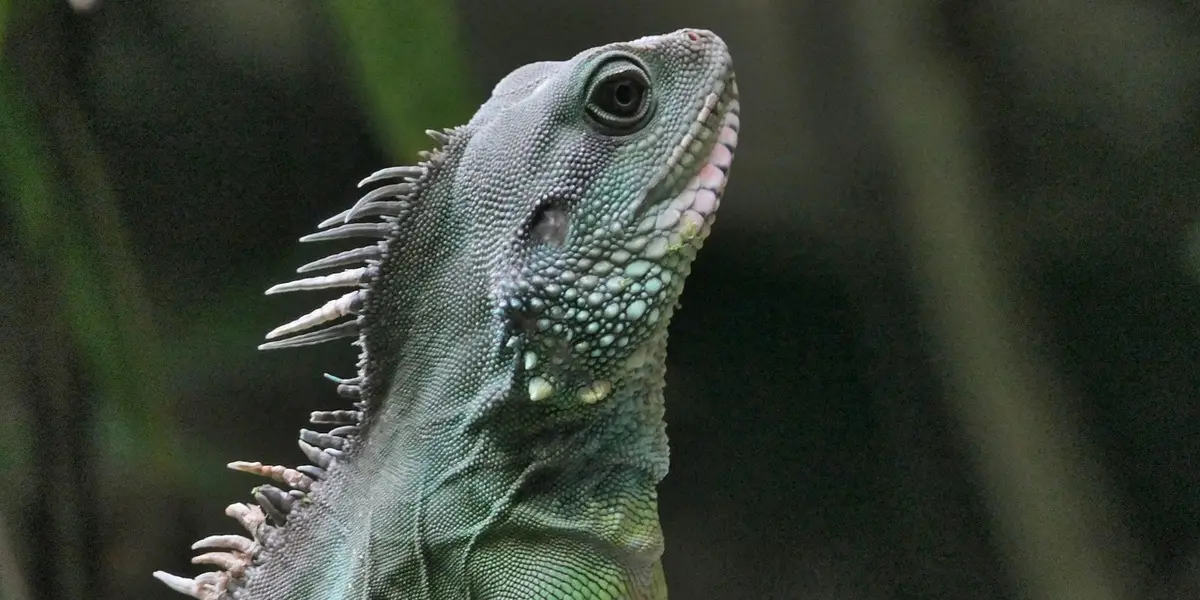
A temperature gradient is simply a warm side and a cool side in the same tank. This setup is non-negotiable. It lets your gecko move to the heat to digest food and then retreat to a cooler area to prevent overheating. Without it, they can suffer from digestive issues or heat stress. To create the perfect temperature gradient in a gecko enclosure, place a reliable heat source on one end and a cooler area on the opposite end, and monitor temperatures with a thermometer. If temperatures drift, adjust heaters or airflow to maintain the gradient.
Setting up the gradient is straightforward if you follow these steps.
- Place your heat source on one end of the tank. An under-tank heat mat is my go-to, connected to a thermostat for safety.
- Put the warm hide directly over the heat mat. This creates the essential basking spot where your gecko can soak up belly heat.
- Leave the opposite side of the tank completely heat-source-free. This will naturally become your cool side. Place the cool hide and water dish here.
- Use at least two digital thermometers. Place one probe on the basking spot surface and one on the cool side floor for accurate readings.
The most common and dangerous mistake is using a heat mat without a thermostat. An unregulated mat can easily reach temperatures over 100°F (38°C), causing severe thermal burns on your gecko’s belly. I always check my thermostats twice a day to ensure my pets’ safety.
Day and Night Temperature Shifts for Leopard Geckos
Leopard geckos are not meant to live in a constant, unchanging environment. In the wild, the desert cools down significantly at night, and your pet needs that same cycle to thrive. Providing a nighttime temperature drop is not just a nice-to-have; it’s a core part of their natural rhythm and long-term health. Mirroring these day-night cycles supports optimal gecko health. A consistent photoperiod and nighttime cooling help regulate metabolism, appetite, and activity.
Your goal for the cool side and the overall ambient temperature at night should be between 70-75°F (21-24°C). This cooldown signals to your gecko that it’s time to rest and helps regulate their metabolism. For crested geckos, this is close to their ideal nighttime temperature range, helping maintain comfort, digestion, and healthy activity.
- Use a simple outlet timer for your heat lamp. This is the easiest way to create a consistent, hands-off day/night cycle. The lamp turns off at “sunset,” allowing the tank to cool naturally.
- If your room gets too cold, you can use a low-wattage ceramic heat emitter or a deep heat projector on a thermostat. These provide warmth without light.
- Under-tank heaters can often be left on 24/7 if controlled by a thermostat, as they primarily heat the floor, not the air.
I’ve watched my own gecko, Griffey, for years. When the heat lamp clicks off, his behavior changes almost instantly. He’ll emerge from his warm hide, stretch, and become more active, exploring his enclosure in the cooler, dimmer conditions he’s naturally wired for. It’s a clear sign he appreciates the shift. That observation raises the bigger question: does lighting temperature affect gecko behavior? Many keepers notice activity shifts with warmer versus cooler lighting.
Choosing and Using Heating Equipment
Picking the right heater is one of the most important decisions you’ll make. The wrong choice can be ineffective or downright dangerous. Your primary goal is to safely replicate the warmth of sun-baked earth, not to cook the air in the entire tank.
Here’s a quick comparison of the most common options:
- Under-Tank Heater (UTH) / Heat Mat: My top recommendation for leopard geckos. It provides belly heat, which is crucial for their digestion. It’s energy-efficient and doesn’t emit light. The main con is that it must be used with a thermostat to prevent burns.
- Heat Lamp: Good for boosting ambient air temperatures if your room is very cold. It can dry out the air faster and creates a light cycle, which you must manage with a timer. Not ideal as a sole heat source.
- Ceramic Heat Emitter: Excellent for providing heat without light, making it perfect for nighttime use if needed. Like a heat lamp, it can reduce humidity and must be used with a thermostat.
Never, ever skip the thermostat. It is the single most critical piece of safety equipment you will buy. A thermostat probe regulates the power to your heater, preventing it from overheating and potentially causing severe burns or starting a fire. Plug your heater into the thermostat, and place the probe inside the tank where you want to control the temperature.
Under-Tank Heaters and Heat Mats
Place the under-tank heater on the *outside* bottom glass of the tank, positioned under one side to create the warm zone. It should cover no more than one-third of the floor space. This setup allows your gecko to thermoregulate by moving between the warm spot and the cooler areas, just like they would in nature. The heat will penetrate the glass and substrate, providing that essential belly heat for digestion after a meal.
Heat Lamps and Alternative Sources
Use a heat lamp if your home’s ambient temperature is consistently below 65°F (18°C) and a UTH alone can’t maintain the proper gradient. Choose a low-wattage bulb in a dome lamp with a ceramic socket to handle the heat. Always ensure the lamp is securely fastened and cannot fall or come into contact with any plastic parts of the lid.
I must be very clear about what to avoid. Steer completely clear of heat rocks or any other “hot rock” products sold for reptiles. These are notoriously unreliable and develop hot spots that can cause terrible thermal burns on your gecko’s belly and feet. They are a risk not worth taking.
Monitoring Tank Temperatures Accurately
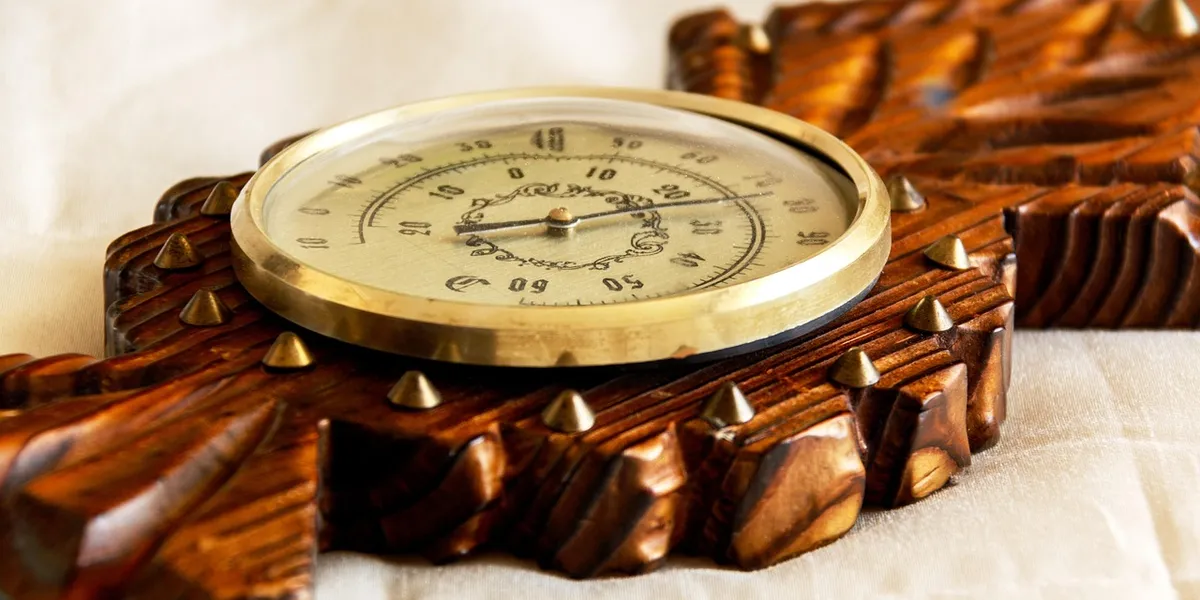
Getting the temperature right isn’t a guess. I rely on digital thermometers with probes because they give you a precise reading exactly where you need it. The stick-on analog dials just don’t cut it for something as critical as your gecko’s health.
Proper placement is everything for an accurate reading. Follow these steps to get it right.
- First, attach the probe for the warm side directly onto the floor of the tank, right under the heat source.
- Next, place a second thermometer probe on the cool side floor, as far from the heat as possible.
- Finally, check both readings at least twice a day, once in the morning and once in the evening.
From my own setup, I learned a valuable lesson. My gecko Griffey was always hiding on the cool side, and my single thermometer said his warm hide was perfect. I added a second, cheaper digital thermometer as a backup and discovered the first one was off by five degrees! Now I always use multiple devices to cross-check. It’s a small cost for total peace of mind. That’s a common gecko heating mistake to avoid. Use multiple thermometers and check heat distribution to prevent hidden hot or cold spots.
FAQs
What is the dangerous temperature range for leopard geckos?
Temperatures below 65°F (18°C) or above 95°F (35°C) can be harmful and lead to health issues like hypothermia or heat stress.
What happens if a leopard gecko is exposed to cold temperatures for too long?
Prolonged exposure to cold can cause digestive problems, lethargy, and a weakened immune system, increasing the risk of illness.
What is the ideal humidity range for a leopard gecko tank?
The ideal humidity level for leopard geckos is between 30% and 40%, which supports healthy shedding and prevents respiratory issues.
How does humidity interact with temperature in a leopard gecko enclosure?
High humidity combined with high temperatures can create a damp environment that promotes bacterial growth and respiratory infections.
What is the minimum temperature leopard geckos can tolerate at night?
Leopard geckos can briefly tolerate nighttime temperatures as low as 65°F (18°C), but it is safer to maintain it above 70°F (21°C) for their well-being. Do geckos need heat at night? Yes—keeping a warm night temperature helps with digestion and activity, so a gentle heat source can be beneficial in cooler rooms.
Final Words
Providing the correct temperature gradient is the single most important thing you do for your leopard gecko’s health. You must create a warm basking spot around 90°F, a cool end in the 70s, and an overall nighttime drop. Seasonal temperature adjustments in your gecko’s habitat help mirror natural year-round conditions. This setup powers their digestion, activity, and overall well-being.
Your gecko relies entirely on you to build and maintain its world. Committing to their care means being a lifelong student, always ready to learn more and adapt your methods. A thriving gecko is the ultimate reward for your dedication and attentive husbandry.
Further Reading & Sources
- Leopard Gecko Tank Set Up – What You Need to Know! – REPTI ZOO
- r/leopardgeckos on Reddit: What temperature should my leopard gecko’s habitat be at night?
- Leopard Gecko Temperatures & Humidity | Leopard Gecko Care
The Gecko Guide is your ultimate resource for gecko enthusiasts, providing expert advice and practical tips to ensure the health and happiness of your scaly companions. Alexander is a passionate gecko owner with over a decade of experience in reptile care. We are dedicated to offering accurate, up-to-date information to support your gecko journey.Our mission is to foster a community of responsible gecko owners who are passionate about the well-being of these fascinating creatures.
Heating & Temperature Control