
What is a Crested Gecko? Lifespan, Care, and Habitat Guide
Published on: June 4, 2026 | Last Updated: June 4, 2026
Written By: Alexander 'Gecko Geek' Johnson
So, you’re thinking about a crested gecko but are wondering if their care is too complicated or if you can really provide a good home for one. I remember staring at my first gecko, Jeter, with that exact mix of excitement and nervousness.
Let me help you cut through the confusion. In this guide, I’ll walk you through everything based on years of hands-on experience, so you feel completely confident. We will cover:
- Their surprisingly long lifespan and what it means for you.
- Why their care is genuinely easier than many other reptile pets.
- The absolute must-haves for a thriving habitat.
You’ll get clear, step-by-step advice you can trust. This guide covers: lifespan, care difficulty, habitat setup, diet, handling tips, and common health issues.
Meet the Crested Gecko: Origin and Basics
I remember the first time I held a Crested Gecko; its velvety skin and curious eyes completely won me over. These fascinating creatures have a story as unique as their appearance.
Where Do Crested Geckos Come From?
These geckos hail from the lush, humid forests of New Caledonia, a group of islands in the South Pacific. For decades, they were thought to be extinct until a thrilling rediscovery in 1994 brought them back into the spotlight. Their wild population is now considered vulnerable, which makes responsible captive breeding incredibly important for the species’ future. In their natural habitat, they spend their lives climbing and hiding among the dense rainforest canopy.
What Does a Crested Gecko Look Like?
Crested Geckos are a true spectacle of nature’s design. They are most famous for the hair-like projections, or crests, that run from over their eyes down their back. Their physical features set them apart.
Crested Gecko Behavior and Temperament
My own Crested Gecko, Jeter, is a perfect example of their typical temperament: calm, confident, and a joy to handle. They are primarily nocturnal, becoming most active at dusk and through the night. These cues are covered in our crested gecko behavior body language ultimate guide. It teaches you to read posture, vocalizations, and tail signals at a glance.
- They are generally very docile and can become quite tame with regular, gentle handling.
- As solitary creatures, they should be housed alone to prevent stress and fighting.
- You’ll often find them perched on the highest branch in their enclosure, surveying their domain.
- They communicate with little chirps and barks, which is always a delightful surprise to hear.
Their ease of care and friendly disposition make them one of the best pet lizards for beginners and experts alike.
How Long Do Crested Geckos Live? Lifespan Explained
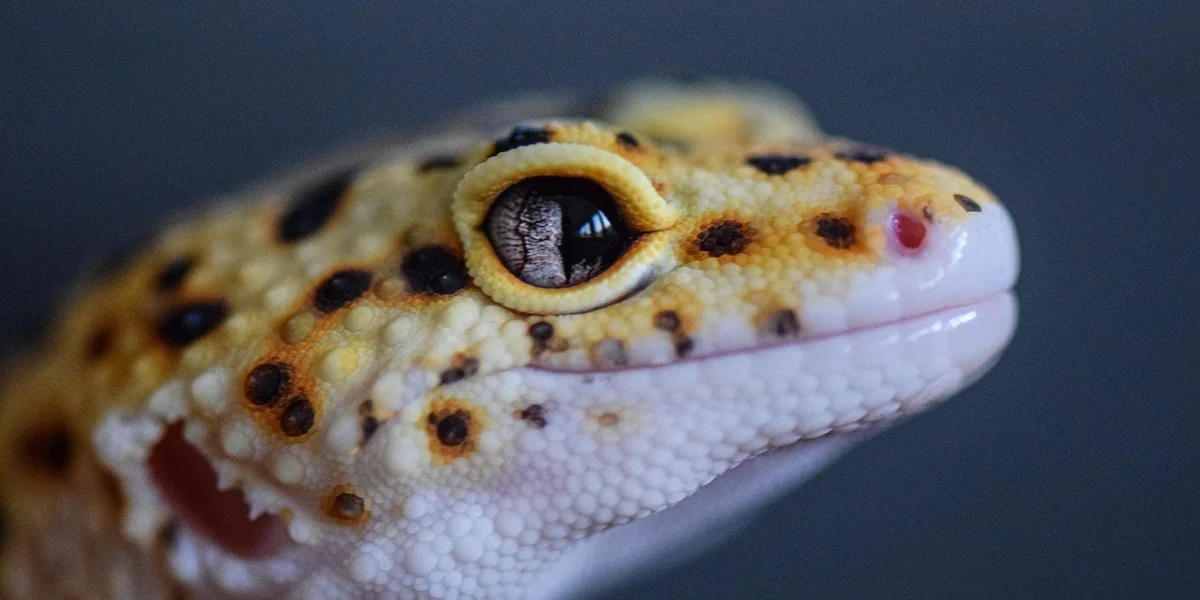
Committing to a Crested Gecko is a long-term promise of care. With the right knowledge, you can ensure your scaly friend lives a full and vibrant life by your side.
Average Lifespan in Captivity
In the wild, their lives are much harder and shorter, often just 5-10 years. In a proper captive environment, a well-cared-for Crested Gecko can easily live between 15 to 20 years. That 20-year horizon represents a real long-term commitment and a chance to grow with your gecko. If you’re weighing adoption, make sure you’re prepared for a two-decade companionship. I’ve even met owners with geckos pushing 25! This is a pet that will likely be with you through many of life’s chapters.
Factors Affecting Lifespan
Longevity isn’t just about luck; it’s a direct result of the care you provide. Several key factors play a huge role.
- Diet: A balanced diet of commercial crested gecko diet (CGD) supplemented with live insects is foundational.
- Habitat Conditions: Consistent, appropriate temperature and humidity levels are non-negotiable for their health.
- Genetics: Geckos from reputable breeders generally have a stronger genetic start in life.
- Stress: A quiet, secure enclosure free from predators (like other pets) and improper handling is crucial.
Neglecting any one of these areas can significantly shorten your gecko’s life, which is a tragedy we can prevent. When planning nutrition, compare how a freshly prepared CGD stacks up against live insects in terms of calcium, phosphorus, and other nutrients to ensure a balanced dietary breakdown. A thoughtful combination of CGD and appropriately sized live insects can support long-term health.
Tips for a Long and Healthy Life
Extending your gecko’s life is about consistent, thoughtful practices. Here are the steps I follow with my own geckos.
- Feed a high-quality, complete Crested Gecko Diet as their staple food.
- Provide a varied diet by offering appropriately sized gut-loaded insects like crickets or dubia roaches once or twice a week.
- Maintain a strict humidity cycle with a heavy misting at night and a dry-out period during the day.
- Keep their enclosure between 72°F and 78°F, never letting it get too hot.
- Offer a deep, clutter-free enclosure with plenty of vertical space, vines, and hiding spots to make them feel secure.
- Schedule annual check-ups with a reptile-savvy veterinarian to catch any potential issues early.
For hatchlings, tailor the setup to be smaller and escape-proof with plenty of shallow hides and gentle, secure climbing options. An ideal habitat setup for crested gecko hatchlings emphasizes stable humidity and steady temperatures, with easy access to appropriately sized prey to support healthy growth.
The single most impactful thing you can do is provide a stable, stress-free environment where all their basic needs are met every single day.
Crested Gecko Care: Feeding, Handling, and Health
Caring for a crested gecko is a rewarding journey, but getting the basics right is non-negotiable for their well-being. Your gecko’s health is a direct reflection of the care you provide every single day. I’ve learned this through years with my own calm and confident gecko, Jeter.
What to Feed Your Crested Gecko
Crested geckos are omnivores, which means their diet is wonderfully varied. A balanced diet is your number one tool for preventing health issues and promoting vitality. You have two main paths: modern commercial diets or a more hands-on mixed approach.
Diet Options: Insects and Commercial Foods
I strongly recommend using a high-quality, complete commercial diet as the staple of your gecko’s meals.
- Commercial Complete Diets (e.g., Pangea, Repashy): These are powdered mixes you combine with water. They are nutritionally balanced, contain fruit and insect components, and are incredibly convenient. This is what I use as Jeter’s main food.
- Live Insects (Gut-Loaded): Crickets, dubia roaches, and black soldier fly larvae are excellent protein sources. They should be offered as treats, not the main meal. Always “gut-load” the insects by feeding them nutritious foods 24 hours before offering them to your gecko. This passes the nutrients on.
- Safe Fruits (Occasional): Mashed bananas, papaya, and apricots can be offered as rare treats. Avoid citrus fruits entirely.
Feeding Schedule and Tips
Consistency is key. Cresties are nocturnal, so feed them in the evening.
- Mix Commercial Diet: Combine the powder with water until it’s a ketchup-like consistency. Too runny, and it lacks nutrients; too thick, and they won’t eat it.
- Offer Food: Place the food in a shallow, easy-to-clean dish high up in the enclosure, as they prefer to eat off the ground.
- Remove Old Food: The next morning, take out any uneaten food to prevent mold and bacteria.
- Supplement Insects: If you offer live insects, dust them lightly with a calcium supplement (with D3) before feeding.
Young geckos (under a year) should have food available every night, while adults do well being fed every other night. Watch their body condition and adjust portions accordingly. Learn how to create the perfect feeding schedule for juvenile vs adult geckos.
How to Handle Your Crested Gecko
Handling requires patience and respect for your pet. Jeter enjoys gentle handling now, but it took time to build that trust.
- Move Slowly: Never grab your gecko from above. Slowly place your hand in front of them and let them walk onto you voluntarily.
- Support Their Body: Let them rest on your open palm or crawl from hand to hand. Always be over a soft surface in case they jump.
- Keep Sessions Short: Start with 5-10 minute sessions, a few times a week. Never handle a gecko that is stressed, shedding, or has just eaten.
- Bonding Tip: Just sitting with your hand in the tank during the evening can help them get used to your presence without the pressure of being held.
Hydration and Water Needs
Crested geckos rarely drink from a standing water bowl. They prefer to lick water droplets from leaves and the sides of their enclosure, which is why misting is absolutely essential.
You need to mist the tank heavily in the evening to simulate rain and raise the humidity. Aim for a humidity spike of 80% at night, which should then drop to around 50-60% during the day. This cycle is critical for proper hydration and shedding. Use a spray bottle with clean, dechlorinated water.
Creating the Perfect Crested Gecko Habitat
Think of your gecko’s enclosure as a tiny, vertical slice of a New Caledonian rainforest. A well-designed habitat doesn’t just look good; it directly reduces stress and encourages natural, healthy behaviors.
Choosing the Right Enclosure
Because they are arboreal (tree-dwelling), crested geckos need height more than they need floor space.
- Juveniles: A 10-gallon tall tank is a good starter.
- One Adult: A minimum of a 20-gallon tall enclosure, but an 18x18x24 inch terrarium is the gold standard.
- Enclosure Type: Front-opening glass terrariums are ideal. They are easier to access for maintenance and cause less disturbance to your gecko than reaching in from the top.
Bigger is always better, as it allows for more temperature and humidity gradients and enrichment opportunities.
Temperature and Humidity Control
Getting the climate wrong is one of the fastest ways to make a crested gecko sick.
- Ideal Temperature: 72-78°F (22-25.5°C) during the day. At night, a drop to the high 60s is perfectly fine. Temperatures over 82°F (28°C) can be fatal. You will not need a heat lamp if your room temperature is within range.
- Ideal Humidity: As discussed, a cycle from 80% (night) down to 50-60% (day).
- Equipment: Use a digital thermometer/hygrometer for accurate readings. An automatic misting system can be a lifesaver for maintaining humidity, but hand-misting works perfectly fine with dedication.
Substrate and Decor Essentials
This is where you create a functional and beautiful home. The goal is safety, enrichment, and easy cleaning.
Best Substrate Choices
- Paper Towel/Butcher Paper: The safest option for beginners and quarantine. It’s cheap, easy to replace, and you can easily monitor your gecko’s droppings.
- Coconut Fiber (Eco Earth) or Cypress Mulch: Excellent for bioactive setups and holding humidity. They look natural and are safe if ingested in small amounts during feeding.
- Sphagnum Moss: Not a full substrate, but fantastic for mixing into other substrates to boost humidity or using in a moist hide.
Avoid sand, gravel, and walnut shell substrates at all costs, as they can cause life-threatening impactions if ingested.
Must-Have Decor Items
Fill that vertical space! Your gecko will spend almost all its time off the ground.
- Climbing Structures: A variety of branches, vines, and cork bark tubes. Provide pathways that go all the way to the top of the tank.
- Hiding Spots: At least two hides-one in the warmer area and a “humid hide” filled with damp moss to aid with shedding.
- Foliage: Dense, broad-leafed artificial plants or live, pet-safe plants like Pothos or Snake Plants. This coverage makes them feel secure and provides surfaces for drinking after misting.
- Feeding Ledges: Magnetic or suction-cup shelves placed high on the glass are perfect for holding food and water dishes, keeping them clean and accessible.
Maintenance and Health: Keeping Your Gecko Happy
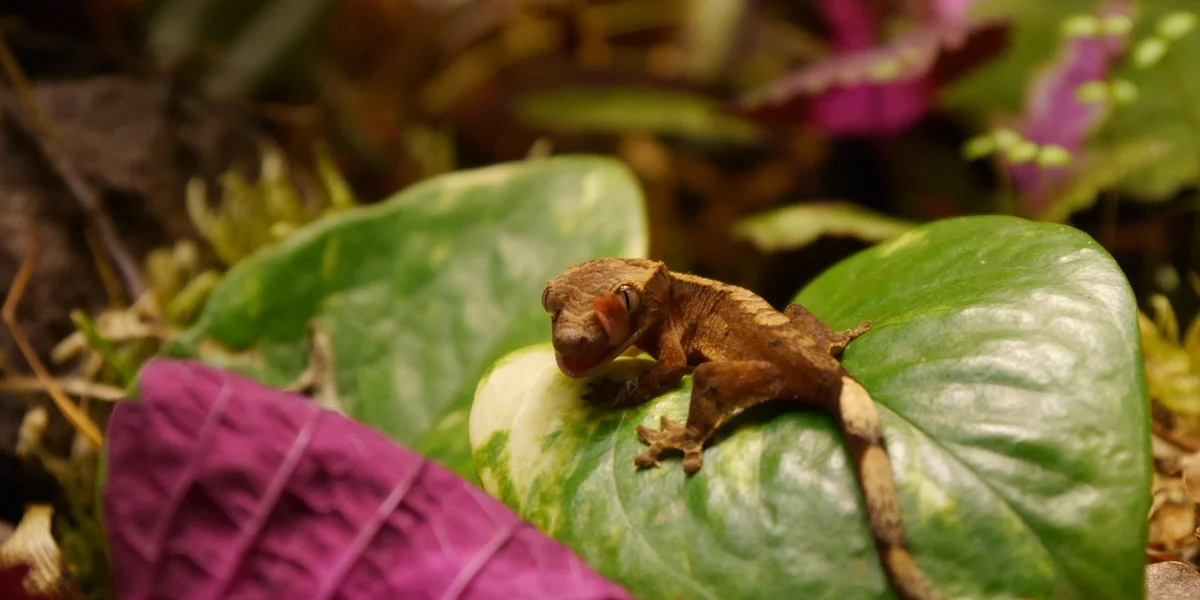
Caring for a crested gecko is a long-term commitment, and their health is directly tied to the environment you provide. A consistent cleaning routine is your first and best defense against most common health problems. I learned this the hard way with my first gecko, and it’s a lesson that has kept all my pets thriving since. Knowing the common health problems and their solutions helps you act quickly. With clean enclosures, proper humidity, and timely vet care, most issues are preventable.
Daily and Weekly Cleaning Routine
A clean habitat is a healthy habitat. This simple checklist will become second nature and only takes a few minutes each day.
- Daily: Remove any visible feces and uneaten food. Wipe down the glass if it gets misted on. Check that the water dish is clean and full.
- Weekly: Take out and wash all décor, food ledges, and water dishes with a reptile-safe disinfectant. Replace the substrate if you use a disposable type like paper towel.
- Monthly: Perform a full, deep clean of the entire enclosure. Remove your gecko to a secure temporary bin. Take everything out, scrub the tank thoroughly, and replace all substrate. This prevents a slow buildup of harmful bacteria.
Common Health Issues and Prevention
Even with perfect care, it’s good to know what to watch for. Most issues are preventable with proper husbandry.
- Metabolic Bone Disease (MBD): This is caused by a lack of calcium. You’ll see a wobbly gait, a soft or crooked jaw, and tremors. Prevention is straightforward: always dust their food with a calcium and vitamin D3 supplement.
- Shedding Problems (Dysecdysis): Crested geckos eat their shed, so you rarely see it. Stuck shed, especially on the toes or tail tip, can cut off circulation. Maintain a humidity cycle with daily misting, and provide rough surfaces like cork bark for them to rub against.
- Floppy Tail Syndrome (FTS): If your gecko sleeps upside down on the glass, its tail can hang limply. Over time, this can deform the tail bone. Offer plenty of snug, horizontal hiding spots to discourage this sleeping position.
Signs of a Healthy Crested Gecko
My crested gecko, Jeter, shows me he’s healthy through his behavior and appearance. You should look for the same positive signs in your pet.
- Clear, bright eyes with no swelling or crust.
- Plump body and a thick, fleshy tail where fat is stored.
- Active and alert at night, exploring and climbing.
- A good appetite and a regular feeding schedule.
- Sheds its skin in one complete piece.
Seek an exotic vet immediately if you notice lethargy during active hours, weight loss, labored breathing, or injuries. Don’t wait and see; reptiles often hide illness until it’s advanced.
Bringing Home a Crested Gecko: Selection and Setup
Bringing home your new friend is an exciting moment. Doing your homework beforehand ensures you bring home a robust animal and are fully prepared for its arrival. A little patience during setup pays off for years to come.
Where to Find a Crested Gecko
You have a few options for sourcing your gecko, each with pros and cons.
- Reputable Breeders: This is my top choice. You often get detailed health history, know the exact age, and can choose from unique morphs. You can ask the breeder specific questions about the gecko’s personality and parents.
- Rescues/Reptile Societies: A wonderful option. These geckos need a second chance. Their age and history might be less certain, but you’re giving an animal a much-needed home.
- Pet Stores: Convenient, but be cautious. Ask where their animals come from. Check the gecko carefully for signs of illness, as they can be stressed from shipping and store conditions.
Understanding Morphs and Variations
The variety of crested gecko colors and patterns, called “morphs,” is astounding. While all morphs have the same care requirements, their looks can be dramatically different. My Jeter is a “Flame” morph, with a creamy dorsal stripe blazing down his orange back.
- Flame: Has a solid, lighter-colored pattern running along its back, like a flame.
- Harlequin: Similar to a flame but with much more pattern extending down its sides and legs.
- Dalmatian Spots: Features black spots scattered across its body, just like the dog breed.
- Tiger: Has dark, bold stripes running horizontally across its body.
- Pinstripe: Shows a raised, pearly-white or cream line running along its back, framed by a darker color.
Initial Setup and Acclimation
The first few days in a new home are stressful for your gecko. Your goal is to make this transition as smooth as possible. In the first 24 hours, follow these essential steps to correctly set up the enclosure, establish safe temperatures, and form a calm feeding routine. This quick step-by-step guide will help you get your new gecko settled with confidence.
- Set Up the Habitat Completely Before You Bring the Gecko Home. Have the temperature, humidity, and all the plants and hides in place. A ready-to-go home eliminates extra stress.
- When you get home, gently place the gecko inside the enclosure on a branch or the side wall. Don’t just drop it on the substrate.
- Leave it completely alone for at least 5-7 days. No handling, no poking around. Just perform quiet maintenance like misting and changing food.
- After this initial period, you can begin offering food from your hand to build trust before attempting to handle them.
Resisting the urge to handle them immediately is the kindest thing you can do. It gives them time to learn that this new, strange place is actually their safe and permanent home.
FAQs
What is a good crested gecko guide for beginners?
This article serves as an ideal beginner’s guide, offering clear, step-by-step advice on lifespan, care, and habitat setup to build your confidence.
Where can I find a crested gecko care guide in PDF format?
Many reputable reptile care websites and breeders provide free downloadable PDF guides, or you can save this web page as a PDF for easy offline access.
What online communities are recommended for crested gecko care advice?
Reddit forums like r/CrestedGecko and expert-driven sites like Reptifiles offer valuable community insights and detailed care sheets for additional support.
How do I choose a crested gecko morph?
Review the morph descriptions and images in the ‘Understanding Morphs and Variations’ section of this guide to select one that matches your preference, as all morphs have identical care needs.
Are crested gecko care standards updated for 2023?
This guide reflects the most current 2023 care standards, emphasizing stable habitat conditions and a balanced diet for optimal health.
Your Crested Gecko Journey Starts Now
Providing the right home for your crested gecko boils down to a few key principles: a tall, well-planted terrarium, consistent high humidity, a diet of commercial powdered food supplemented with live insects, and gentle, patient handling. Getting these fundamentals right from the start is the single most important thing you can do for your gecko’s long-term health and happiness.
Remember, bringing a crested gecko into your life is a commitment that can last two decades. Their well-being depends entirely on your dedication to learning and adapting as our understanding of reptile care evolves. A crested gecko life cycle milestones complete guide can help you anticipate growth stages—from hatchling to adult—and tailor care accordingly. Understanding these milestones helps you meet your gecko’s needs at each step. Stay curious, connect with other owners, and always advocate for the best life your pet can have.
Further Reading & Sources
- Crested Gecko Care – Pangea Reptile LLC
- Crested Gecko Care Sheet | PetMD
- Crested Gecko Care – CHICAGO EXOTICS ANIMAL HOSPITAL
The Gecko Guide is your ultimate resource for gecko enthusiasts, providing expert advice and practical tips to ensure the health and happiness of your scaly companions. Alexander is a passionate gecko owner with over a decade of experience in reptile care. We are dedicated to offering accurate, up-to-date information to support your gecko journey.Our mission is to foster a community of responsible gecko owners who are passionate about the well-being of these fascinating creatures.
Crested Geckos