
How to Monitor Your Gecko’s Health Through Regular Check-ups
Published on: January 29, 2026 | Last Updated: January 29, 2026
Written By: Alexander 'Gecko Geek' Johnson
Is your gecko acting sluggish or refusing food, and you’re worried something might be wrong? That gut feeling is your first clue something needs attention.
I’ve felt that same unease with my own geckos, like when Griffey stopped his energetic posing or Babe lost interest in basking. Regular health checks turn that worry into confident care, and I’ll guide you through the simple steps to do it right. Here are the key takeaways we’ll cover:
- Spotting subtle changes in behavior and appearance before they become big problems.
- Setting up a quick, stress-free weekly routine your gecko will tolerate.
- Knowing exactly when a home check-up means it’s time to call the vet.
You’ll get clear, actionable advice based on years of hands-on experience. The full article dives into weight tracking, skin and shedding, appetite and hydration, behavior patterns, and habitat conditions.
Why Regular Gecko Health Check-Ups Are Non-Negotiable
Have you ever noticed your gecko acting a bit off, but couldn’t pinpoint why? Geckos are masters at masking illness, a survival instinct from their wild ancestors, so waiting for obvious signs often means the problem has escalated. Recognizing early warning signs of illness in geckos is crucial. Those subtle cues often appear long before obvious symptoms, and catching them can prevent escalation. I learned this the hard way with my leopard gecko, Griffey, who went from his usual curious posing to hiding constantly—a quick check revealed early signs of a respiratory issue we caught just in time.
Regular health checks aren’t just about fixing problems; they build a baseline of what’s normal for your unique pet. By spotting tiny changes in weight, skin, or behavior early, you can prevent minor issues from becoming emergencies, saving both stress and vet bills. Regular checks also help prevent common gecko health problems, such as dehydration and respiratory infections. Early detection of shedding or digestive issues keeps your gecko healthy and comfortable. Think of it like a monthly “wellness visit” you do at home, tailored to your gecko’s needs.
Ignoring these checks risks your gecko’s comfort and longevity. Proactive monitoring shows you care deeply about their welfare, ensuring they thrive rather than just survive in your care. My crested gecko Jeter, for instance, once had a slight drop in appetite I logged—it turned out to be a simple habitat tweak, but without that routine, I might have missed it. For a structured reference, the ultimate gecko health troubleshooting checklist provides a step-by-step diagnostic guide. It helps you spot issues early and take timely action.
Setting Up Your At-Home Health Monitoring Station
Creating a dedicated spot for check-ups makes the process smooth and stress-free for both of you. Choose a quiet, well-lit area away from loud noises or drafts, like a small table near their enclosure, so your gecko feels secure during exams. I use a corner of my desk where I can easily access all my tools without fumbling.
Your Must-Have Gecko Health Toolkit
Keep these items handy in a small container-I repurposed a plastic bin for my five geckos. Your toolkit should include basics that help you assess key health indicators quickly and accurately. Here’s what I always have ready:
- Digital kitchen scale (for tracking weight in grams)
- Magnifying glass or phone with macro mode (to inspect skin and eyes closely)
- Soft-bristled toothbrush (gentle for checking shed skin or debris)
- Disposable gloves (to prevent spreading germs between geckos)
- Small notebook or digital app (for logging notes-more on that next!)
Don’t overcomplicate it; start with these and add as you go. This simple setup lets you catch things like Mookie’s playful leaps turning sluggish, which once signaled a minor injury I treated early.
Creating a Simple Health Logging System
Logging doesn’t need to be fancy-consistency is what matters most. I use a basic spreadsheet on my phone, but a notebook works just as well; the goal is to track trends over time so you notice patterns. Here’s a simple way to structure your logs:
- Date and time of check-up
- Weight measurement (note any gains or losses)
- Behavior notes (e.g., active, hiding, eating habits)
- Skin and shedding observations (look for retained shed or discoloration)
- Appetite and hydration cues (like how much they ate or drank)
Review your logs monthly to spot changes-it’s how I noticed Babe’s chubby tail was actually storing fat perfectly for his size. This habit turns guesswork into informed care, empowering you to advocate for your gecko’s well-being with confidence.
Performing the Head-to-Tail Physical Examination
Assessing Eyes, Mouth, and Nose Health
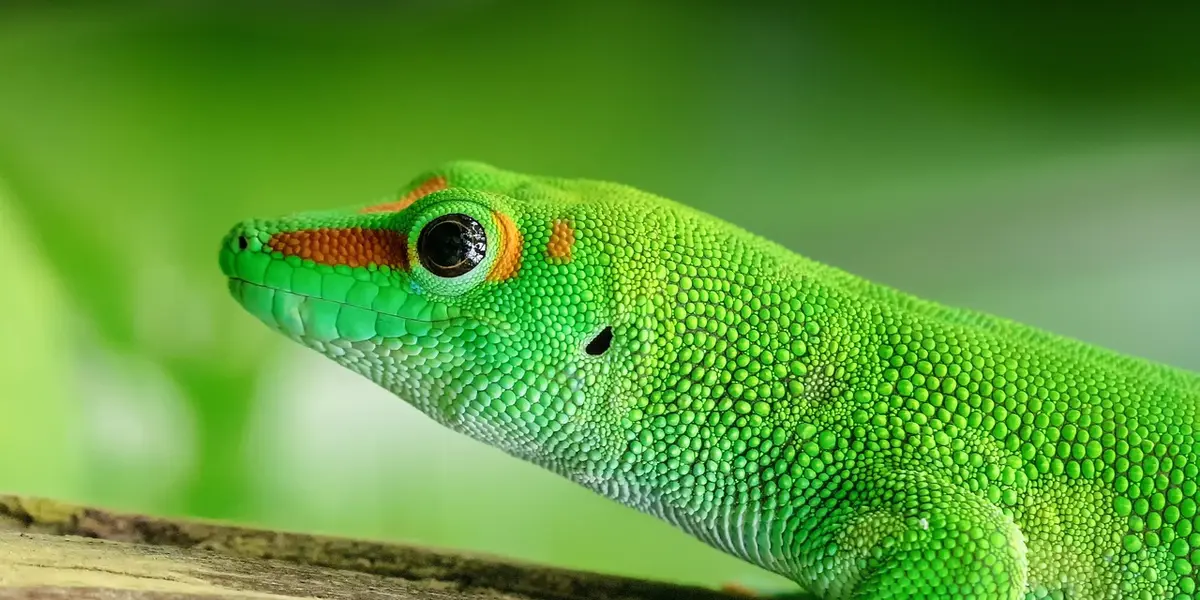
Start by gently holding your gecko and looking at their face. Clear, bright eyes are a good sign—no gunk or swelling. Cloudy eyes or crusty buildup can mean infection or stuck shed, which I’ve seen with Griffey during his energetic explorations. These eye cues are central to common leopard gecko eye problems and their proper care. If you notice ongoing issues, consult a reptile veterinarian. Check the mouth for any redness, sores, or leftover food; a healthy mouth should be pink and clean. For the nose, ensure both nostrils are open and free of debris. If you spot bubbles or discharge, it might signal a respiratory issue. Use a soft, damp cotton swab if needed, but be extra gentle.
- Eyes: Look for clarity and no discharge-leopard geckos like Griffey should have alert, shiny eyes.
- Mouth: Gently lift the lip to check for sores or stuck shed; crested geckos like Jeter often have calm mouths that are easy to inspect.
- Nose: Ensure nostrils are clear; blockages can lead to breathing troubles, especially in species like African fat-tails such as A-Rod.
Skin and Shedding Condition Check
Run your fingers lightly over their skin—it should feel smooth, not flaky or rough. Stuck shed, especially on toes or tails, can cut off circulation and lead to loss, which I learned the hard way with Mookie’s playful leaps. Look for any mites, cuts, or discoloration. A healthy gecko sheds in one piece; if it’s patchy, humidity might be off. For my gargoyle gecko Mookie, I mist his tank to help shedding, and it keeps his gray and red blotches vibrant. Always handle with care to avoid stressing them. There’s a simple step-by-step guide to safely assist a gecko with stuck shed. Following it can help you gently loosen shed without stressing or injuring your pet.
- Skin texture: Should be uniform; rough patches may indicate parasites or poor health.
- Shedding: Monitor for complete sheds; incomplete ones need a humid hide or gentle assistance.
- Color and pattern: Changes can signal stress or illness-observe regularly.
Tail and Body Condition Scoring
Feel the base of the tail-it should be plump and firm, not bony or shriveled. A fat tail is like a gecko’s emergency fund, storing nutrients for lean times, and Babe’s chubby tail shows he’s well-fed and happy. Score body condition by checking if the ribs are visible or if the belly is too swollen. For leopard geckos like Griffey, a healthy weight means a slight taper from body to tail. If the tail looks thin, it’s time to review their diet and vet visit.
- Tail thickness: Gently squeeze the base; it should feel full but not overly soft.
- Body shape: Look for a rounded belly without protruding bones-ideal for most species.
- Weight tracking: Use a small scale weekly to note changes; sudden loss needs action.
Monitoring Vital Signs and Daily Behaviors
Tracking Eating, Hydration, and Elimination
Keep a simple log of what and how much they eat each day. If your gecko skips meals for more than two days, it’s a red flag—I’ve noticed this with A-Rod when he’s feeling territorial. Offer fresh water daily and watch for drinking; dehydration shows in sunken eyes or lethargy. To tell if your gecko is dehydrated, look for signs of gecko dehydration like sunken eyes, dry mouth, and reduced activity. If you notice these signs, increase access to fresh water and humidity, and consult a reptile vet if they persist. Check their droppings for consistency—firm, white urates and brown feces mean good digestion. Runny or discolored poop can point to parasites or diet issues.
- Food intake: Note preferences and amounts; crested geckos like Jeter might eat less if stressed.
- Water consumption: Observe drinking behavior; use a shallow dish to prevent drowning.
- Elimination: Clean the tank regularly to monitor droppings; changes in frequency or color warrant attention.
Activity Levels and Environmental Interactions
Watch how they move and interact with their habitat. A sudden drop in activity, like less climbing or hiding, can signal illness or discomfort, which I’ve seen in Babe when his basking spot was too cool. Healthy geckos explore, bask, and use hides appropriately. For instance, Mookie’s playful bursts should happen daily, not sporadically. Note any repetitive behaviors or aggression, as these might indicate stress from poor enclosure setup.
- Daily movement: Track time spent active versus resting; aim for species-specific norms.
- Hide usage: Ensure they use all hides; avoiding one could mean it’s too damp or hot.
- Social cues: Observe interactions with tank mates or objects; solitary geckos like A-Rod need their space respected.
When to Escalate to a Reptile Veterinarian
You watch your gecko daily, but some signs scream “vet time” louder than others. Trust your gut—if something feels off, it probably is, and delaying can worsen their condition. I learned this when my leopard gecko, Griffey, stopped his usual posing and became unusually still for days. Look out for sudden lethargy, refusing to eat, or labored breathing—these warrant immediate vet care. Don’t wait to see if it improves.
- Lethargy or hiding more than normal, especially if they avoid their warm spot.
- Loss of appetite or weight loss-you can gently feel their tail; it should be plump, not bony.
- Abnormal droppings, like diarrhea, mucus, or no poop for over a week.
- Difficulty shedding, with stuck skin on toes or eyes, which can lead to infections.
- Swelling, lumps, or discharge from the mouth, nose, or eyes.
- Labored breathing or wheezing sounds, which might indicate a respiratory issue.
If you spot any of these, don’t wait-reptiles often hide illness until it’s advanced. Early vet intervention saved my crested gecko, Jeter, from a nasty skin infection I caught just in time.
Preparing for Your Vet Visit
Walking into the vet unprepared is like trying to solve a puzzle blindfolded. Bringing the right info and items helps the vet diagnose faster and reduces stress for your gecko. Here’s what I always pack, based on many trips with my crew:
- Recent photos of your gecko’s habitat, including temperature and humidity setups.
- A fresh stool sample (yes, it’s weird, but it’s gold for parasite checks).
- Notes on their diet, behavior changes, and when symptoms started.
- A small, secure carrier-I use a ventilated plastic tub with a soft towel inside.
- Your gecko’s handling preferences; for example, A-Rod hates being held, so I warn the vet upfront.
Call ahead to confirm the vet specializes in reptiles, as not all do. Knowing when to take your gecko to an exotic veterinarian can help catch problems early. If you’re unsure, give your vet a quick call to schedule at the right time. This prep turns a scary trip into a smooth, productive visit that puts your gecko’s health first.
Common Health Issues You Can Spot Early
Catching problems early is like finding a leak before it floods your house-it saves you from bigger headaches. Regular check-ups let you spot subtle changes that signal common gecko ailments. With my five geckos, I’ve seen it all, from parasites to bone issues, and early action always pays off.
Parasite Prevention and Detection
Parasites are sneaky invaders that can wreck your gecko’s gut health. Watch for clues like weight loss despite eating, or runny, smelly droppings that stick around. My fat-tailed gecko, A-Rod, once had a parasite scare after I noticed his poop was off-thankfully, a vet test caught it early.
- Prevent parasites by cleaning the enclosure weekly and removing waste promptly.
- Quarantine new geckos for at least 30 days to avoid introducing pests.
- Offer clean, gut-loaded insects to reduce the risk of internal parasites.
If you see these signs, a fecal exam at the vet can confirm and guide treatment. Proactive care keeps these critters from turning into a full-blown infestation.
Metabolic Bone Disease and Nutritional Issues
Metabolic bone disease (MBD) is a heartbreaker, but it’s largely preventable with good nutrition. Early signs include a soft, rubbery jaw, tremors, or difficulty climbing-my gargoyle gecko, Mookie, showed slight wobbles before I adjusted his calcium.
- Ensure proper calcium and vitamin D3 through dusted feeders and UVB lighting if needed for your species.
- Monitor for bowed legs or spine curvature, which indicate advanced MBD.
- Varied diets prevent deficiencies; for instance, my giant day gecko, Babe, thrives on a mix of insects and fruit paste.
Regularly feel your gecko’s limbs and jaw during handling-if anything seems soft or weak, act fast. Good nutrition isn’t just about growth; it’s about giving your gecko a strong, vibrant life.
Common Questions
How often should I perform a full health check-up on my gecko?
Aim for a quick weekly check-up to catch early changes without causing stress.
What household items can I use if I don’t have a specialized toolkit?
Substitute with items like a small food scale, a magnifying app on your phone, and a soft cloth for gentle inspections.
How can I reduce stress for my gecko during check-ups?
Keep sessions brief, handle them gently in a quiet area, and offer a favorite treat afterward to create positive associations.
Final Thoughts on Your Gecko’s Health
Keeping your gecko healthy boils down to a simple, consistent routine: observe their behavior daily, handle them gently each week to check for physical changes, and track their eating and bathroom habits. For leopard geckos, managing healthy weight gain or loss is a key part of daily care. Subtle changes in weight can signal health shifts before more obvious symptoms appear. My leopard gecko Griffey taught me that catching small issues early, like a slight weight drop or a duller skin sheen, is the secret to avoiding big vet bills later.
Remember, being a gecko owner is a long-term promise to provide the best life possible for your scaly friend. I’m always learning new things from my crested gecko Jeter, and staying curious about gecko care ensures your pet thrives for years to come.
Further Reading & Sources
- Crested Gecko Health Problems You Should Know – Talis Us
- The Lifespan of a Crested Gecko: What to Expect – Talis Us
- Leopard Gecko Diseases, Illnesses & Other Health Info
The Gecko Guide is your ultimate resource for gecko enthusiasts, providing expert advice and practical tips to ensure the health and happiness of your scaly companions. Alexander is a passionate gecko owner with over a decade of experience in reptile care. We are dedicated to offering accurate, up-to-date information to support your gecko journey.Our mission is to foster a community of responsible gecko owners who are passionate about the well-being of these fascinating creatures.
Preventative Care & Vet Visits