
When to Take Your Gecko to the Vet: A Clear Guide
Published on: January 31, 2026 | Last Updated: January 31, 2026
Written By: Alexander 'Gecko Geek' Johnson
It’s a worry every gecko owner faces: your pet seems “off,” but you can’t tell if it’s a minor issue or a full-blown emergency. Geckos are masters of hiding illness, a survival instinct that makes our job as their caretakers much harder. I’ve been there, nervously watching one of my cresteds, wondering if his quiet day was normal or a red flag.
I’m here to help you cut through the uncertainty. This guide will walk you through the critical signs that mean “call the vet,” so you can act with confidence. We’ll cover:
- How to spot the subtle behavioral changes that often come before physical symptoms.
- What you can do to prepare for a vet visit and make it less stressful for your gecko.
- Understanding common treatments and costs, so there are no surprises.
By the end, you’ll have a clear action plan for your gecko’s health. The topics we’ll cover are: lethargy and appetite changes, physical symptoms (tail, eyes, skin), injury and trauma, preparing for the vet visit, and at-home first aid. Let’s make sure your scaly friend gets the care they need, exactly when they need it.
Spotting the Red Flags: Common Gecko Health Alerts
Keep a sharp eye on your gecko’s daily habits to catch issues early. Regular monitoring helps you spot subtle changes before they become serious problems. Knowing the early warning signs of illness in geckos helps you act quickly. If you spot symptoms like loss of appetite, lethargy, or abnormal shedding, consult a vet.
- Lethargy: Your gecko moves less or seems sluggish. In leopard geckos like Griffey, this means fewer exploratory trips; for crested geckos like Jeter, it’s staying low instead of climbing.
- Loss of Appetite: Skipping meals for more than two days. My gargoyle gecko Mookie once refused food, signaling stress from a recent habitat change.
- Abnormal Stool: Runny, discolored, or absent droppings. Fat-tailed geckos like A-Rod should have firm, brown feces-anything else warrants attention.
Check your gecko daily during feeding or handling sessions. If symptoms persist beyond 48 hours or worsen rapidly, it’s time to call the vet. Know the signs requiring immediate vet care—sudden lethargy, poor appetite, labored breathing, swelling, or regurgitation. If you see any of these, contact a reptile-savvy veterinarian right away.
Physical and Behavioral Changes
Visible signs often scream for help if you know what to look for. Swelling, limping, or skin changes are clear distress signals you can’t ignore.
- Swelling: Puffy joints or body parts. My giant day gecko Babe had a swollen toe from a shed issue-it resolved with vet care.
- Limping: Favoring one limb or dragging legs. This could mean injury or metabolic bone disease.
- Skin Condition: Dull, discolored, or stuck shed. In leopard geckos, poor shedding hints at low humidity.
Behavior shifts are equally telling. Reduced activity or excessive hiding, like Jeter avoiding his high perch, often means pain or illness. I once missed subtle hiding in my gecko Griffey, delaying treatment for a minor infection.
Digestive and Respiratory Distress
Gut and breathing issues can escalate fast without proper care. Regurgitation, diarrhea, or wheezing require immediate evaluation.
- Regurgitation: Undigested food comes back up. This isn’t normal and points to impaction or stress.
- Diarrhea: Watery stools that soil the enclosure. It dehydrates geckos quickly.
- Wheezing: Audible breaths or mucus around the nose. This signals respiratory infection.
Before rushing to the vet, do a quick home check. Ensure enclosure temperatures are 75-85°F and humidity stays species-appropriate-too high can mimic respiratory symptoms. For crested geckos, aim for 60-80% humidity to prevent false alarms. You can read more about maintaining proper temperature ranges for these geckos.
True Emergencies: Situations Demanding Immediate Vet Care
Some scenarios can’t wait-your gecko’s life may depend on swift action. Severe injury, labored breathing, or prolapse are definite emergencies.
- Severe Injury: Bleeding wounds, fractures, or burns from heat sources.
- Breathing Trouble: Gasping, open-mouth breathing, or persistent wheezing.
- Prolapse: Internal tissues protruding from the vent or mouth.
Stabilize your gecko first. Place them in a small, warm container with minimal handling to reduce stress during transport. Time is critical; delays with trauma or prolapse can lead to permanent damage.
Injuries and Infections
Specific ailments like scale rot or mouth rot need expert intervention. Home remedies often fall short for infections, risking spread or sepsis.
- Scale Rot: Discolored, soft scales from damp substrates. My gecko A-Rod developed this from a wet hide-vet-prescribed antibiotics cleared it up.
- Mouth Rot: Swollen gums, pus, or difficulty eating. This requires oral medication only a vet can provide.
- Eye Infections: Cloudy, swollen, or closed eyes. Quick vet visits saved Mookie’s vision after a minor scratch.
If home care like cleaning wounds or adjusting humidity doesn’t improve things in a day, seek professional help. Early vet visits for infections often mean faster recoveries and less suffering for your pet.
Finding the Right Exotic Veterinarian for Your Gecko
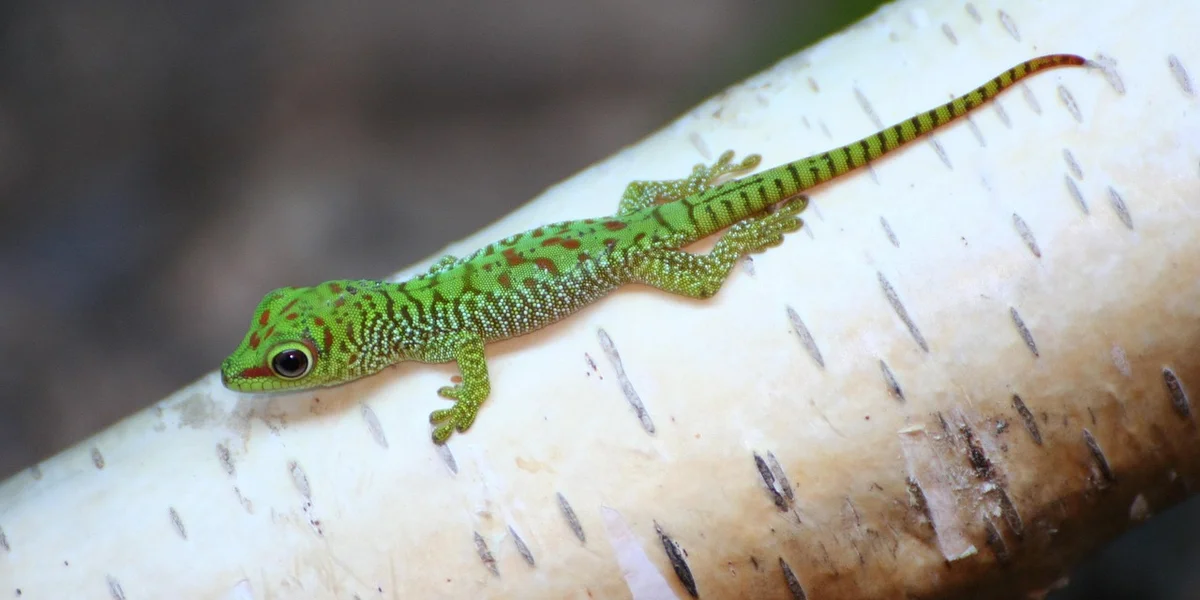
Finding a vet for your gecko isn’t like finding one for a dog or cat. You need a specialist. Your first and most critical step is to confirm the vet actively treats reptiles, specifically geckos. I learned this the hard way with my first gecko, Griffey, when a general vet gave me advice that was completely wrong for his species. And when you need to be away, find a qualified reptile sitter for your gecko to keep its routine steady.
Your Step-by-Step Search Guide
- Start with Online Directories: Use the Association of Reptilian and Amphibian Veterinarians (ARAV) website. It’s my go-to resource for finding certified experts.
- Tap into Local Networks: Ask for referrals from reptile-specific pet stores, local breeders, or herpetological societies. Other gecko owners are a goldmine of honest feedback.
- Make the Initial Call: Don’t just book an appointment. Call the clinic and ask pointed questions to vet the vet, so to speak.
Essential Questions to Ask a Potential Vet
- “What is your experience with leopard, crested, and other gecko species?”
- “What diagnostic equipment do you have on-site for small reptiles, like digital scales and microscopes?”
- “Can you walk me through a typical wellness exam for a gecko?”
A confident, detailed answer is a very good sign. If they hesitate or seem unsure, thank them for their time and call the next clinic on your list.
Evaluating Vet Credentials and Clinic Setup
A general dog-and-cat vet, no matter how wonderful, is not equipped for geckos. You need a professional with specialized training in reptile physiology and medicine. Look for vets with certifications or memberships in groups like ARAV. So, does a complete gecko veterinary care plan include regular checkups, diet guidance, and habitat management? A thorough plan should outline preventive care, diagnostics, and home-care instructions tailored to geckos.
The clinic itself should also pass inspection. When I first took Jeter, my crested gecko, I looked for a few key things:
- Proper Handling Tools: They should use soft towels or have small, enclosed scales to prevent escapes and stress.
- Reptile-Specific Diagnostics: This includes micro-sized blood draw equipment and a microscope for immediate fecal exams.
- Dedicated Hospitalization Area: A separate, quiet space with appropriate heating for sick reptiles is non-negotiable.
Think of it this way: you wouldn’t take a Ferrari to a mechanic who only works on tractors. The specialized knowledge required is that different.
Preparing for the Vet Visit: What to Bring and Do
A little preparation turns a stressful trip into a productive consultation. Your goal is to become a partner with your vet by providing as much useful information as possible.
The Gecko Owner’s Go-Bag
- Recent Photos/Videos: Show your gecko’s enclosure setup, including heating, lighting, and humidity sources. A picture is worth a thousand words.
- A Fresh Stool Sample: This is huge. Collect any droppings from the last 24 hours. Your vet can check for parasites immediately.
- Feeding Log: Note what, how much, and how often your gecko eats, including supplement schedules.
- The Gecko’s Travel Container: A small, ventilated plastic container with a secure lid and a paper towel substrate is perfect. Do not use a large, open box.
Safe Transport is Everything
I always pre-warm my car before putting my geckos inside. Place the travel container in a stable spot, away from direct air vents, and avoid loud music. For longer trips, you can place a hand warmer (wrapped in a towel) under half of the container to create a warm zone.
Your Pre-Vet Visit Checklist
- Is the travel container secure and escape-proof?
- Do I have the stool sample in a sealed bag?
- Are my photos and notes ready on my phone?
- Have I written down my top three questions for the vet?
- Is my gecko safely in its container before I open any doors?
Running through this list ensures you won’t forget a crucial piece of the puzzle during a potentially anxious time.
Inside the Exam Room: What to Expect at the Appointment

Walking into the vet’s office with your gecko can feel a bit nerve-wracking. I remember taking my crested gecko, Jeter, for the first time; I was a bundle of nerves. But knowing what’s coming really helps calm you and your pet.
The process usually starts at the check-in desk, where you’ll confirm your info. You’ll then be led to an exam room, which might feel a little cool—this is normal to keep the exotic patients comfortable. This visit is the first step in our ultimate gecko health troubleshooting checklist—a step-by-step diagnostic guide to identify and address health concerns. The vet or a technician will start by asking you a series of questions about your gecko’s history, diet, and the specific problem you’ve noticed.
The physical exam is next. The vet will gently handle your gecko, feeling their body, checking their skin, looking in their mouth, and assessing their weight and muscle tone. My leopard gecko, Griffey, always puffs up a bit, but the vets are so calm and experienced. Regular checkups catch issues early and keep Griffey thriving. I track his weight and behavior between visits to monitor his health.
Common Diagnostics and Treatments
Based on the physical exam, your vet will likely recommend some diagnostics to get to the root of the problem.
- Fecal Test: This is a super common first step. The vet checks a small stool sample under a microscope for parasites. It’s quick, non-invasive, and costs between $25 and $50.
- X-rays (Radiographs): If the vet suspects metabolic bone disease (MBD) from a wobbly walk or soft jaw, or if they’re concerned about impaction, they’ll take X-rays. This shows bone density and any blockages in the gut. This typically runs $100 to $200.
- Blood Tests: For issues like severe weight loss or suspected organ problems, a small blood sample can reveal a lot about their overall health. This is on the pricier side, often $150+.
Treatments are as varied as the diagnoses. For a parasite infection, you’ll likely go home with a liquid dewormer to administer orally for a week or two. For metabolic bone disease, treatment involves immediate calcium injections and a long-term plan to fix your UVB and supplementation routine, with recovery taking several months. Stuck shed around the toes or eyes is often gently removed right there, and the vet will show you how to improve humidity at home.
Always ask for a clear estimate before any procedure. Follow-up care is crucial; you might need to give medications at home or return for a progress check in a few weeks.
Routine Care: The Role of Regular Checkups in Gecko Health
I used to only take my geckos to the vet when something was obviously wrong. After a scare with my fat-tailed gecko, A-Rod, I learned that an ounce of prevention is worth a pound of cure.
For a healthy adult gecko, an annual wellness exam is a great baseline. Even healthy geckos benefit from regular checkups to catch issues early. Your vet can help tailor how often you should visit based on age, health, and husbandry. Juveniles under a year old and seniors over age 7 can benefit from checkups every six months, as they are more vulnerable to rapid health changes. A new gecko should always have a vet visit within the first few weeks of coming home for a baseline health assessment.
These routine visits are your best defense. The vet can spot subtle signs of weight loss, early MBD, or mouth rot long before it becomes a critical, expensive emergency. Preventive care saves you money on huge emergency bills down the line and, more importantly, spares your gecko significant stress and suffering.
Think of it this way: waiting for an emergency means you’re always reacting to a crisis. With routine care, you’re proactively partnering with your vet to ensure your scaly friend has the longest, healthiest life possible. It’s the difference between constantly putting out fires and simply maintaining a safe, warm hearth.
FAQs
How can I tell if my gecko is dehydrated?
Signs of dehydration in geckos include sunken eyes, loose skin that doesn’t snap back when gently pinched, and reduced urination, which require a vet visit for rehydration therapy. Are these signs of dehydration in pet geckos? Recognizing them early can help you seek care promptly.
What are the most common parasitic infections in geckos?
Common parasitic infections in geckos include pinworms and coccidia, often detected through a fecal exam and treated with prescribed antiparasitic medications from a vet.
How do I handle a gecko that is stressed during vet transport?
Minimize stress by using a small, secure travel container with ventilation, keeping it in a warm, quiet area, and avoiding sudden movements or loud noises during transit.
Trust Your Instincts
When in doubt, the safest choice is always to call your exotic vet. You know your gecko better than anyone, so if you notice any physical changes like weight loss, skin issues, or unusual droppings, or if their behavior shifts dramatically—becoming lethargic or refusing food—it’s time for a professional opinion. Knowing what’s normal for your gecko can help you spot when a change is concerning.
Being a great gecko owner means committing to a lifetime of learning about their unique needs. Stay curious, keep refining your habitat setup, and always prioritize their welfare; your attentive care is the single biggest factor in ensuring your scaly friend lives a long, healthy, and happy life.
Further Reading & Sources
- r/geckos on Reddit: Does geckos need yearly vet visits?
- Pet Leopard Gecko Guide | Long Island Avian & Exotic Vet Clinic
- Leopard Gecko vet visit | Our Reptile Forum
The Gecko Guide is your ultimate resource for gecko enthusiasts, providing expert advice and practical tips to ensure the health and happiness of your scaly companions. Alexander is a passionate gecko owner with over a decade of experience in reptile care. We are dedicated to offering accurate, up-to-date information to support your gecko journey.Our mission is to foster a community of responsible gecko owners who are passionate about the well-being of these fascinating creatures.
Preventative Care & Vet Visits