
Does Your Gecko Recognize You? The Science of Reptile Recognition
Published on: March 3, 2026 | Last Updated: March 3, 2026
Written By: Alexander 'Gecko Geek' Johnson
You’ve spent countless hours caring for your gecko, and you can’t help but wonder: does that little face staring back from the terrarium actually know who you are? It’s a question that tugs at the heart of every reptile owner who wants to feel a genuine connection with their pet.
I’ve asked this myself while watching my own crew-from Griffey’s curious poses to Jeter’s calm demeanor. The answer isn’t a simple yes or no, but a fascinating dive into how their unique brains work. I’ll help you understand the science and signs by breaking down three key takeaways:
- How a gecko’s primary senses-scent, sight, and sound-build a picture of their world.
- The distinct behaviors that signal comfort and recognition versus simple food motivation.
- Practical steps you can take to strengthen your bond and become a familiar, safe presence.
You will get clear, actionable advice based on both scientific research and my lived experience with my own geckos. The topics we’ll cover are: The Reptile Brain, Scent and Sound Recognition, Visual Cues and Body Language, and Bonding Activities That Work.
Do Geckos Actually Recognize Their Owners?
Many people believe reptiles operate on pure instinct, like tiny, scaly robots. This is a massive oversimplification that sells these complex creatures short. While a gecko’s brain is different from a dog’s, it is fully capable of learning, memory, and forming positive associations.
Reptile cognition involves a powerful ability to link specific stimuli with outcomes. They remember which hide is the warmest, what time of day you usually feed them, and which hand brings the tasty crickets. They aren’t recognizing you out of affection in the human sense, but they are absolutely recognizing you as a significant, non-threatening part of their environment.
My leopard gecko, Griffey, is a perfect example. If a stranger approaches his terrarium, he freezes or scuttles into a hide. When I approach, he often comes to the front glass, tracking my movements. He has learned that my large, blurry shape equals food or handling time, not danger. My crested gecko, Jeter, shows a different behavior. He remains perfectly calm when I slowly put my hand in his enclosure, but will immediately leap away if my less-familiar partner tries the same thing.
Scientific studies back this up. Research on lizards, like anoles, shows they can learn to solve simple puzzles and remember the solutions for weeks. Another study demonstrated that tortoises can recognize individual human handlers. Your gecko’s brain is a powerful little association-making machine, and you are its most frequent and important variable.
How Geckos Identify Their Caretakers
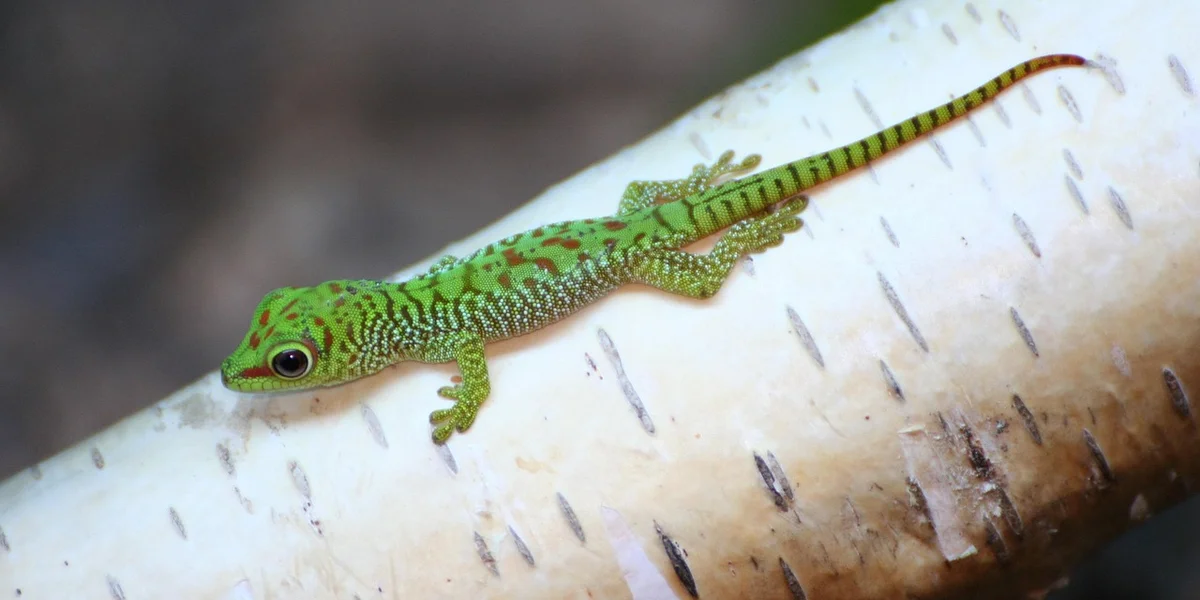
Your gecko uses a combination of senses to figure out who you are. They don’t rely on just one method, which is why their recognition can seem so nuanced. You can also look for appearance signs—such as color shifts, pattern changes, or tail positioning—that help identify individual geckos at a glance.
Scent is Their Superpower
This is the number one way your gecko knows you. You have a unique scent signature made up of soaps, perfumes, and your natural pheromones.
- They associate your specific hand scent with positive events like feeding.
- I always wash my hands with the same unscented soap before handling to create a consistent “safe” smell.
- Geckos have a Jacobson’s organ, a special sensory organ on the roof of their mouth, that they use to “taste” the air and analyze scents in incredible detail.
Visual Cues and Patterns
Gecko eyesight is excellent for detecting movement and pattern recognition.
- They learn the general shape, size, and color of the person who cares for them.
- They notice your movement patterns-the way you walk into the room or the shadow you cast.
- My Giant Day Gecko, Babe, reacts differently when I wear a bright red shirt versus a dark blue one, showing he notices color contrasts.
The Rhythm of Your Routine
Sound and vibration play a bigger role than you might think.
- They learn the specific sound of your footsteps or the creak of the door you use.
- The vibration pattern of you tapping on the glass or filling their water bowl becomes a familiar cue.
- Feeding time is the cornerstone of this positive association. The consistent pairing of your presence with a food reward is the fastest way to build recognition.
Species-Specific Differences
Not all geckos “recognize” in the same way.
- Leopard Geckos and African Fat-Tailed Geckos (like my A-Rod) are more scent and vibration-oriented, being terrestrial.
- Crested Geckos and Gargoyle Geckos (like my Mookie) are more visual, using their excellent binocular vision to track movement from their perches.
- Giant Day Geckos are often the most bold and visually inquisitive, seeming to “watch” what you’re doing in the room.
Clear Signs Your Gecko Remembers You
You’re not imagining that flicker of connection. After years of caring for my crew, I’ve learned to spot the subtle-and not-so-subtle-signs that they know exactly who I am. These behaviors are your best clues that you’re more than just a giant food dispenser.
- A Calm, Confident Posture: A gecko that recognizes you won’t scurry away or flatten its body in fear. My leopard gecko, Griffey, used to duck into a hide the moment he saw my shadow. Now, he stays put, often lifting his head in a calm, curious posture when I approach his tank. That’s a sign of trust, not just tolerance.
- Purposeful Approach Movements: Does your gecko come to the front of the enclosure when you’re near? This isn’t a random wander. My crested gecko, Jeter, will slowly, deliberately traverse branches to get to the glass where I’m standing, especially around his usual feeding time. It’s a directed, intentional movement.
- Distinct Feeding Excitement: All geckos get excited for food, but they react differently to you versus a stranger. If my partner offers food, Babe, my Giant Day Gecko, will cautiously approach. When I do it, he charges the front of the tank with a bold, almost demanding energy. The context is everything.
So, how can you tell if it’s just a habit or genuine recognition? Genuine recognition is consistent and context-aware, while a simple habit is a rigid, one-note response. For example, a gecko that only reacts when you have feeding tongs is likely responding to the tongs, not you. But a gecko that also comes out and watches you when you’re just cleaning the tank or talking to them? That’s a much stronger sign of individual recognition.
I see this play out every day. My Gargoyle Gecko, Mookie, has a unique greeting. If you watch a video of our interactions, you’d see him not just climb, but perform a specific, playful leap from his favorite cork round to the front glass when I first turn on the light in the morning. It’s his “hello” leap. In contrast, a video of Babe shows him tilting his head and following my movements with his eyes from across the room, even when I’m not holding food. These are distinct, personalized behaviors.
Key Factors Influencing Gecko Memory
Not all geckos are wired the same, and their ability to remember you hinges on a few key factors. From my experience, some are quick studies, while others take a more solitary view of the world. That brings us to common gecko behavior myths debunked. Memory and sociability vary by species and environment.
- Species-Specific Smarts: Leopard geckos, like my energetic Griffey, are often more food-motivated and terrestrial. This makes them quick to associate you with positive outcomes like feeding. Crested geckos, like my calm Jeter, are arboreal and can be more observant. They may not always come running, but they often watch and learn your patterns from a distance, showing recognition through their lack of fear.
- Handling Frequency and Age: A young gecko handled gently and consistently is far more likely to form a strong, positive memory of you. My youngest, Mookie, learned my scent and routine within months because of our regular, brief interactions. Older geckos can learn too, but it requires more patience. Think of it like building a friendship; the more quality time you put in, the stronger the bond becomes.
- The Need for Environmental Consistency: Geckos are creatures of habit, and a stable environment helps solidify your place in their world as a safe, predictable part of it. My African Fat-Tailed Gecko, A-Rod, is a perfect example of this. He’s highly territorial. If I move a single hide in his tank, he gets stressed and hides for a day, treating even me with suspicion. But when his environment is consistent, he is calm and accepts my presence. This shows that a stable home base is crucial for them to feel secure enough to recognize you as a friend.
Building Stronger Recognition Bonds
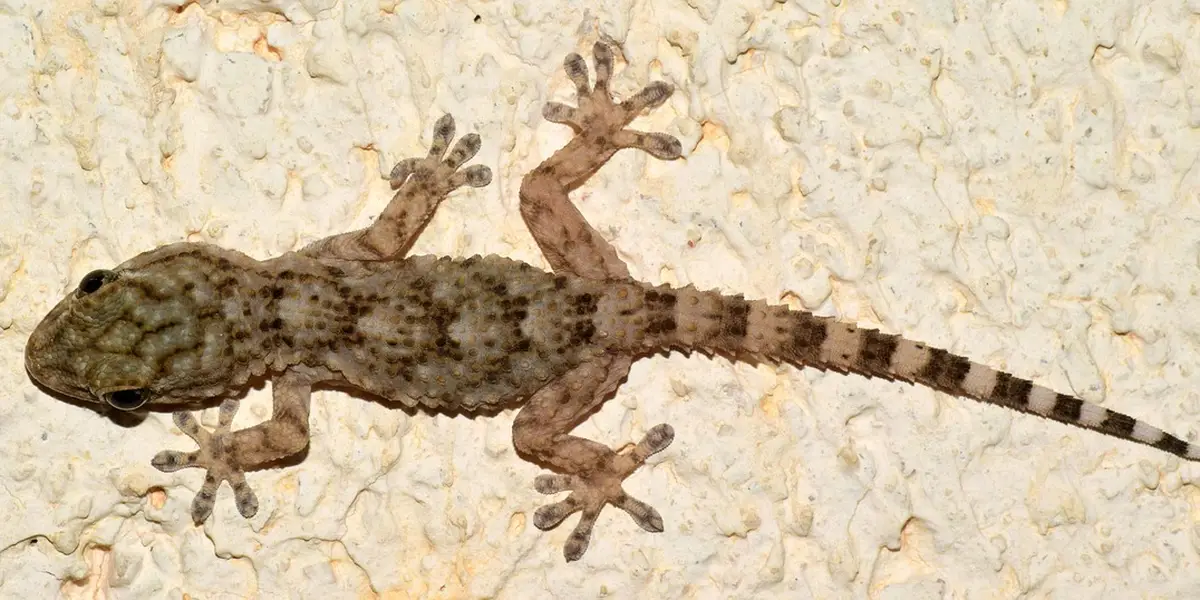
Think of building a bond with your gecko like making a new, very shy friend. It’s a slow dance of patience and consistency, not a race. From my years with Griffey and Jeter, I’ve learned that trust isn’t given; it’s earned one calm interaction at a time.
Step-by-Step Handling for Trust
Rushing this process is the fastest way to break trust. Follow these steps, moving forward only when your gecko seems completely comfortable.
- Start with Presence: Simply sit by the terrarium for 10-15 minutes daily. Read a book or talk softly. This gets them used to your presence without any threat.
- The Hand in the Habitat: Place your clean, bare hand flat and motionless inside the enclosure for a few minutes. Do this during their active hours. Let them come to investigate you on their terms.
- Low and Slow Lifts: Once they willingly approaches your hand, gently slide your palm under their belly and lift them just an inch or two, inside the tank. Hold for a moment, then lower them.
- Short Handling Sessions: Gradually increase to brief 5-minute handling sessions outside the tank in a secure, escape-proof area. Keep these sessions positive and always end before they show signs of stress.
Scent and Treat Association
You want your scent and your presence to predict good things. This is classical conditioning, and it works wonders.
- Scent Familiarization: Place a clean, worn t-shirt or sock (yes, really!) near the tank. Your unique scent becomes a constant, safe part of their environment. My gecko, A-Rod, became far less skittish after I started this.
- Treat Association Strategies: Always offer a tiny, high-value treat from feeding tweezers right before or after handling. For insectivores, this is a waxworm or hornworm. For crested geckos like Jeter, it’s a lick of their favorite Repashy flavor. You become the “Treat Dispenser of Good Times.”
Habitat Enrichment for Interaction
A bored gecko is a reclusive gecko. Encourage them to be out and about, which naturally leads to more visual contact with you. This is a deep dive into gecko enrichment and why mental stimulation matters for their health. It will cover practical ideas to enrich their daily life.
- Create a “Viewing Perch”: Add a sturdy branch or vine right near the front glass. My crested gecko, Jeter, loves his, and he’ll sit there watching household activity.
- Rotate and Rearrange: Change up the décor every few weeks. New hides, plants, and climbing structures spark curiosity and exploration.
- Food Puzzles: For smarter species like cresties and gargoyles, place their food cup in a slightly different (but accessible) spot each feeding to encourage foraging behavior.
When Gecko Behavior Signals Trouble
Sometimes, what looks like a failure to recognize you is actually a sign of stress or illness. It’s our job as keepers to read these subtle signals and act as their advocate.
Stress Signs That Hinder Recognition
A stressed gecko is in survival mode. They aren’t learning or bonding; they’re just trying to feel safe.
- Constant Hiding: If your gecko is *always* hidden and never emerges even at night, that’s a red flag.
- Glass Surfing: Frantically scratching at the glass walls is a classic sign of stress, often from an enclosure that’s too small or lacking cover.
- Refusing Food: A sudden, prolonged loss of appetite is one of the biggest warnings that something is wrong.
- Aggressive Posturing: Hissing, barking (in cresties), or attempting to bite when you approach is a clear “back off” signal.
When to Consult a Reptile Veterinarian
Don’t guess with your pet’s health. I learned this the hard way with a previous gecko. If you notice sudden changes in appetite or activity, act quickly. These can be urgent signs that your gecko needs to see a vet immediately. Seek a qualified reptile vet immediately if you notice:
- Prolonged lack of appetite paired with weight loss.
- Lethargy or inability to climb properly.
- Stuck shed, especially on toes or the tip of the tail.
- Visible wounds, swellings, or signs of breathing trouble.
- Any of the stress signs listed above that don’t resolve after you’ve corrected the habitat.
Gentle Rehabilitation for Nervous Geckos
If you have a particularly skittish gecko, you need to go back to the very basics. This was my journey with A-Rod, my fat-tailed gecko.
- Habitat Audit: First, ensure their home is perfect. Correct temperatures, humidity, multiple tight hides, and plenty of clutter. Feeling secure in their territory is step one.
- Reset Interactions: Stop all handling. Go back to just sitting by the tank. Let them rebuild a sense of safety without any intrusion for a week or two.
- Target Training: Use a small, brightly colored object (like a bottle cap) as a “target.” When they look at or approach it, drop a treat in from above. This builds confidence without direct contact.
- Incremental Progress: After they are consistently target training, reintroduce the “hand in habitat” step, but now pair it with the target. Your hand is just there; the target predicts the treat.
FAQs
How long does it typically take for a gecko to start recognizing its owner?
Most geckos begin showing signs of recognition within a few weeks to a few months, depending on consistent, positive interactions and their individual personality. It’s important to understand their behavior and temperament to build a strong bond.
Can geckos differentiate between their primary caretaker and other people?
Yes, geckos can distinguish their primary caretaker from strangers through unique scent, visual cues, and familiar routines, often displaying calmer behavior around the person they associate with safety and food. They also rely on vocalizations and body language as common cues to mood and comfort.
What role does feeding play in building recognition with a gecko?
Feeding is a key positive reinforcement tool that helps geckos link your presence with rewarding outcomes, strengthening their ability to recognize you as a non-threatening source of sustenance. However, leopard gecko feeding behavior often presents common issues, such as refusals to eat or inconsistent appetite. Recognizing these patterns can help you troubleshoot and keep mealtime a reliable part of positive reinforcement.
Are there any specific gecko species that are known for being more social or recognizing owners better?
Species like Leopard Geckos and Crested Geckos are often more observant and food-motivated, making them quicker to recognize owners, while others may be more reserved due to their natural behaviors. Understanding whether these species are social pets hinges on reading their behavior and tolerance for interaction. With patience and proper handling, both leopard geckos and crested geckos can form bonds and show cues that indicate comfort and interest as companions.
What should I avoid doing to prevent scaring my gecko and hindering recognition?
Avoid sudden movements, loud noises, or forced handling, as these can cause stress and disrupt the trust-building process essential for recognition.
Final Thoughts
Your gecko may not greet you like a dog, but it absolutely learns to recognize you as a safe, predictable part of its world. Focus on consistent, gentle handling, feed them at regular times, and let them get used to your voice and scent. I’ve seen this firsthand with my own crew; Jeter will calmly walk onto my hand, while Griffey will pop his head out of a hide when he hears my voice around dinner time. If you want to deepen your connection, you can also check out how to bond and communicate with your gecko.
Building this bond is a rewarding part of pet ownership, but their fundamental care always comes first. A proper habitat, correct temperatures, and good nutrition are the real foundations of a happy, healthy gecko. With time, you can tame and bond your leopard gecko through gentle, regular handling and a calm routine. Building that trust enhances your interaction while keeping care at the forefront. Keep learning, stay curious about their needs, and you’ll be rewarded with a fascinating pet for years to come.
Further Reading & Sources
- First evidence towards chemical self-recognition in a gecko | bioRxiv
- Boldness affects novel object recognition in a gecko species – ScienceDirect
- Female sexual attractiveness and sex recognition in leopard gecko: Males are indiscriminate courters – ScienceDirect
The Gecko Guide is your ultimate resource for gecko enthusiasts, providing expert advice and practical tips to ensure the health and happiness of your scaly companions. Alexander is a passionate gecko owner with over a decade of experience in reptile care. We are dedicated to offering accurate, up-to-date information to support your gecko journey.Our mission is to foster a community of responsible gecko owners who are passionate about the well-being of these fascinating creatures.
Social Interactions