
Do Leopard Geckos Eat When They Are Shedding?
Published on: September 30, 2026 | Last Updated: September 30, 2026
Written By: Alexander 'Gecko Geek' Johnson
If your leopard gecko has suddenly gone off its food and looks a little cloudy, you’re probably worried and wondering if this is normal behavior. I’ve been there, watching over my gecko Griffey during his first shed, feeling that same knot of concern in my stomach.
Let me put your mind at ease. I will help you understand exactly what’s happening and what you should do. We will cover:
- Why a loss of appetite is a normal part of the shedding process.
- The simple steps you can take to help your gecko through it comfortably.
- How to tell the difference between a harmless shedding fast and a sign of a real health problem.
By the end of this guide, you’ll have a clear, actionable plan. We will cover: the shedding process explained, proper habitat humidity, assisting with stuck shed, and post-shedding care and feeding.
Do Leopard Geckos Eat During Shedding?
No, most leopard geckos do not eat during shedding, though a rare few might nibble lightly.
Typically, leopard geckos stop eating entirely a day or two before shedding begins. This fasting period is a natural part of their cycle and helps them focus energy on skin removal. Some readers wonder whether age or diet can influence this shedding cycle; in general, aging or nutritional status can affect shedding frequency and skin health, though the fasting pattern itself remains a core part of the process.
I’ve watched my leopard gecko, Griffey, go through this many times. He’s normally a voracious eater, but when shedding nears, he acts like his food dish is invisible. His curiosity shifts entirely to rubbing against rocks and hides to loosen that old skin. It’s one of those behaviors that tells you so much about what Leopard Geckos are feeling.
Why Shedding Affects Leopard Gecko Appetite
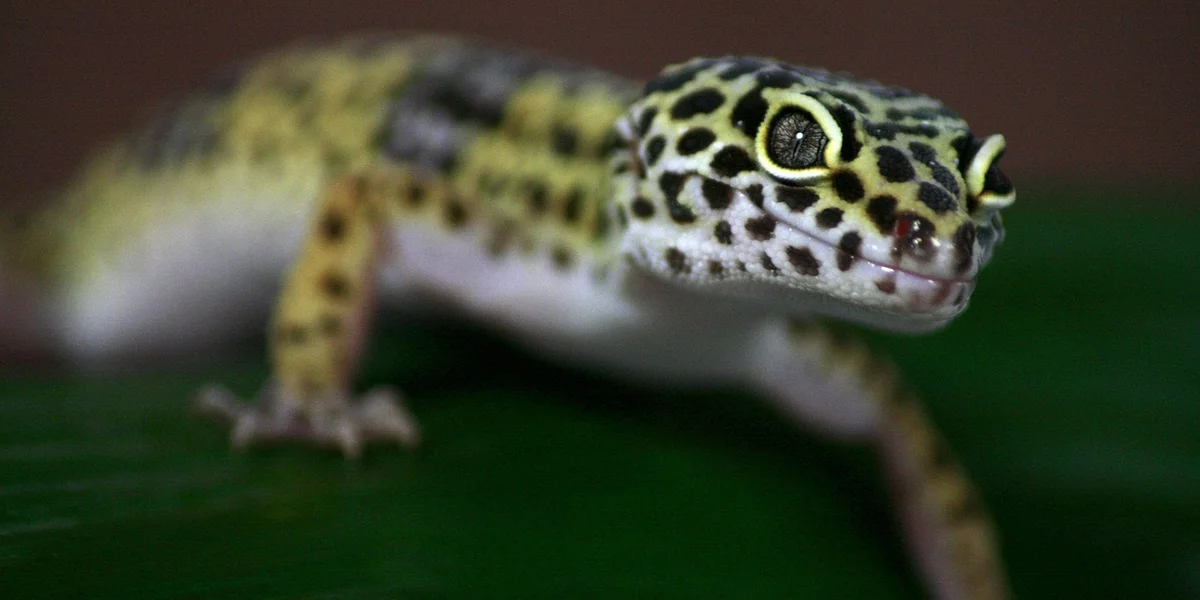
- Stress: Shedding is physically taxing, causing anxiety that suppresses hunger signals.
- Physical discomfort: Tight, old skin around the mouth and body makes chewing and swallowing feel awkward or painful.
- Metabolic slowdown: Their bodies reduce digestion to channel energy into producing new skin and detaching the old layer.
During molting, leopard geckos conserve resources by pausing digestion. This is like putting their system in “fasting mode” to prioritize skin renewal over meal processing.
Imagine you have a bad sunburn and the last thing you want is a heavy meal-your body needs rest, not digestion. For geckos, shedding demands that same undivided attention from their internal systems. It’s especially important to be cautious with their diet during this time to avoid any digestive issues, such as impaction.
How to Care for a Shedding Leopard Gecko
Helping your gecko through a shed is one of the most rewarding parts of ownership. A little proactive care makes the entire process smooth and stress-free for your scaly friend. Understanding common shedding problems helps you recognize when extra help is needed. It also guides you to the right steps. I’ve perfected this routine over years with my own crew.
Step-by-Step Husbandry for a Perfect Shed
- Boost the Humidity: About a day before you see their color turn dull, start increasing the humidity in their moist hide. I aim for 70-80% in that specific hide. You can achieve this by adding more damp sphagnum moss or paper towels.
- Provide a Sauna: Create a dedicated “humid hide” on the warm side of the enclosure. This gives them a warm, moist place to retreat and loosen the old skin. A simple plastic container with a hole cut in the lid works perfectly.
- Offer Hydration Help: Gentle misting of the enclosure walls and the humid hide encourages drinking. I never spray my geckos directly, but my Crested Gecko, Jeter, always perks up and starts lapping droplets off the leaves after a light mist. It’s a great way to support their hydration from the outside in.
Handling and Enclosure Do’s and Don’ts
- DO leave them completely alone during the actual peel. They are vulnerable and often visually impaired at this stage.
- DO check for stuck shed, especially on their delicate toes and the tip of their tail, once the shed is complete.
- DON’T try to peel the skin off for them. You can seriously damage the new skin underneath.
- DON’T handle them unless it’s an emergency. The process is itchy and uncomfortable, and handling adds stress.
Normal Shedding Frequency and Signs
Knowing what’s normal helps you spot potential problems early. Shedding frequency is almost a direct report card on your gecko’s growth rate and health. Signs your gecko hatchling is thriving include steady activity and a healthy appetite. Bright eyes and well-hydrated skin are also good indicators.
How Often Do They Shed?
Age is the biggest factor here.
- Baby and Juvenile Geckos (Under 1 year): Get ready for a lot of shedding! They can shed as often as every 1-2 weeks. My young gecko, Mookie, seemed to be in a perpetual state of growing out of his skin during his first year.
- Adult Geckos (1+ years): Shedding slows down significantly. A healthy adult like my gecko, Babe, will typically shed once every 4-8 weeks.
Signs of a Healthy Shed
A perfect shed is a beautiful thing to witness. You’ll know it went well when you find one complete, inside-out piece of skin, almost like a tiny ghost gecko.
- Complete Removal: The skin comes off in large pieces or one full piece. No tiny bits are left behind.
- Bright New Skin: Their colors will look more vibrant than ever once the dull layer is gone.
- Quick Process: The entire shedding event, from turning dull to the final peel, usually takes 24-48 hours.
My leopard gecko, Griffey, is a textbook shedder. He turns a milky, ashy color for a day, hides in his moist hut, and emerges a few hours later looking shiny and new, often with his shed skin balled up in the corner of his enclosure. Geckos sometimes eat their shed skin as part of normal behavior. This topic is covered in my complete guide on why geckos shed and why they eat their shed skin. This consistent, clean result tells me his habitat and health are exactly where they need to be.
Solving Common Shedding Problems
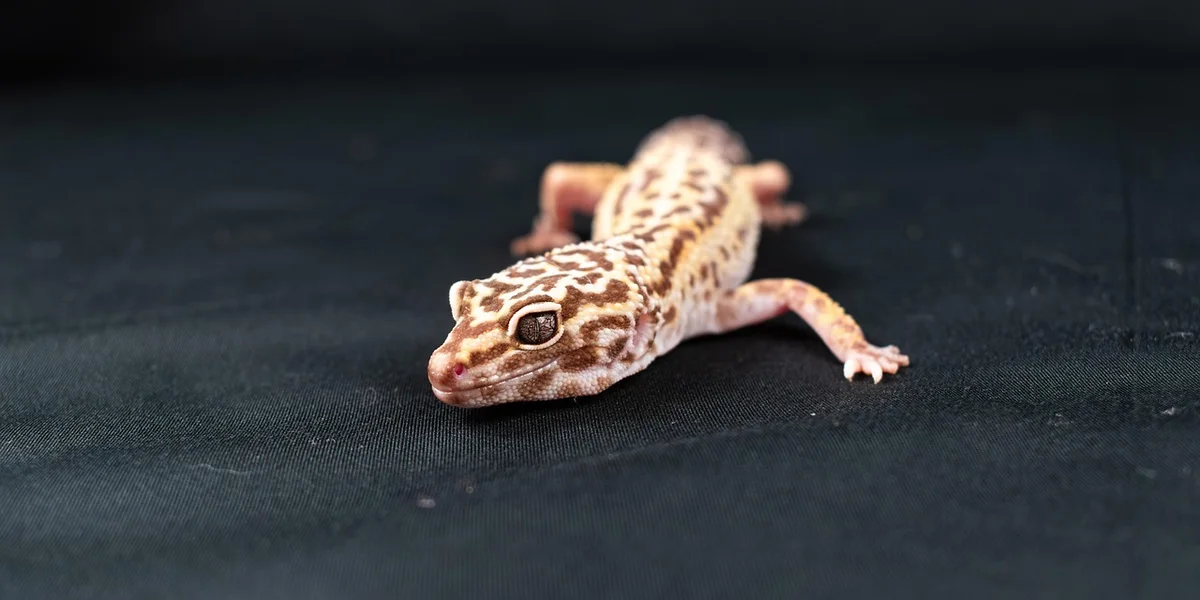
Even with perfect care, shedding can sometimes go wrong. Stuck shed is the most frequent issue I see, especially on delicate toes and the tip of the tail. If not removed, it can act like a tiny rubber band, cutting off circulation.
You need to identify the problem areas quickly.
- Stuck Shed: Looks like dry, flaky pieces of skin clinging to the body, especially toes and tail.
- Eye Caps: A hazy, opaque film remains over one or both eyes after the main shed is complete.
- Raw Skin: Patches of pink, sensitive-looking skin where the shed came off too roughly.
Safe Removal Steps for Stuck Shed
Never, ever pull the shed off. You can seriously injure your gecko. I learned this the hard way with my first gecko, Griffey, and it was a scary lesson. If you suspect a stuck shed, there’s a safe, step-by-step guide to assist gecko without harming them.
- Prepare a small container with a lid and air holes. Fill it with lukewarm (not hot) water about as deep as your gecko’s elbows.
- Let your gecko soak for 10-15 minutes. Supervise them the entire time.
- After the soak, take a moistened cotton swab and gently roll it over the stuck shed. The skin should slough off with almost no pressure.
- For very stubborn bits on toes, you can use a dab of pure, food-grade coconut oil to help lubricate it.
If the shed doesn’t come off easily after a soak, or if you see any sign of swelling or discoloration, stop immediately and call your vet. Eye caps are particularly delicate; I never mess with those and always seek professional help.
Preventing Problems Before They Start
Most shedding issues are preventable with the right habitat and diet.
- The Humid Hide: This is non-negotiable. Provide a hide box filled with damp sphagnum moss or a moist paper towel. Your gecko will use this to soften its old skin.
- Diet & Hydration: A well-hydrated gecko sheds easily. I always make sure my geckos have a fresh, shallow water bowl and I gut-load their feeder insects with water-rich veggies like cucumber.
- Rough Surfaces: Include a piece of slate or a rough rock in the enclosure. Your gecko will rub against it to help start and complete the shed.
Feeding Your Gecko After Shedding
Once that old skin is off, it’s time for a well-deserved meal. I typically offer food within 24 hours after I see the shed is fully complete and my gecko is bright and active again. Their appetite usually returns with a vengeance. The best time of day to feed a leopard gecko is in the evening, around dusk, when they’re most active. Maintaining that evening feeding rhythm supports natural hunting and digestion.
This post-shed meal is a great opportunity for a nutritional boost.
- Crickets: My go-to choice. They are mobile, stimulating a hunting response, and are excellent carriers for calcium and vitamin dust.
- Mealworms: A fantastic, softer-bodied alternative. I find them especially good for geckos who are a little stressed post-shed.
- Supplementation is Key: I always lightly dust this first meal with a high-quality calcium supplement with D3 to support bone health after their fast.
My Personal Refeeding Routine
My crested gecko, Mookie, is a great example. He’s always ravenous after a shed. My routine is to wait until the evening after his shed, when he’s naturally most active. I’ll offer him a small dish of his Repashy Crested Gecko Diet, which he loves, and then the following night, I’ll introduce a few gut-loaded, dusted crickets. This two-step approach ensures he’s rehydrated and renourished without overloading his system. Watching him leap for his first cricket post-shed is one of my favorite things-it’s a sure sign of a happy, healthy gecko.
FAQs
What should I do if my leopard gecko has stuck shed on its eyes?
Consult a veterinarian for safe removal, as the eyes are delicate and should not be handled at home.
What is the recommended humidity level for a leopard gecko’s shedding hide?
Aim for 70-80% humidity in the moist hide to help loosen the old skin effectively.
What are some essential tips to assist a leopard gecko during shedding?
Provide a humid hide, rough surfaces for rubbing, and ensure proper hydration to support a complete shed.
Is it normal for a juvenile leopard gecko to shed twice in one month?
Yes, juvenile leopard geckos often shed every 1-2 weeks, which can result in two sheds per month during rapid growth. These growth spurts are most rapid in the first year. Adults are usually reached within 12-24 months, depending on care and genetics. For more information, you can refer to the Leopard gecko growth timeline.
Why might an adult leopard gecko be shedding more frequently than usual?
Increased shedding in adults could signal rapid growth, dietary issues, or health problems, so monitor and consult a vet if concerned.
Final Thoughts
The main takeaway is that a temporary loss of appetite is completely normal during your leopard gecko’s shed. Your job is to ensure their habitat is perfect, with a moist hide and proper humidity, so the skin comes off easily. Always provide fresh water, and don’t panic if they skip a meal or two; their focus is on the important task at hand.
Being a great gecko owner means observing these natural behaviors and adapting your care to support them. Every shed is a chance to learn more about your pet’s health and habits. Keep asking questions, stay curious, and you’ll continue to provide the excellent care these wonderful creatures deserve for their small but significant lives.
Further Reading & Sources
- Guide to Leopard Gecko Shedding | Blog | Long Island Bird and Exotics Pet Vet
- Leopard Gecko Shedding and Feeding: Expert Q&A
- Leopard Gecko Shedding and Eating Issues: Expert Q&A
The Gecko Guide is your ultimate resource for gecko enthusiasts, providing expert advice and practical tips to ensure the health and happiness of your scaly companions. Alexander is a passionate gecko owner with over a decade of experience in reptile care. We are dedicated to offering accurate, up-to-date information to support your gecko journey.Our mission is to foster a community of responsible gecko owners who are passionate about the well-being of these fascinating creatures.
Shedding & Skin Health