
How to Store Leopard Gecko Food for Maximum Freshness
Published on: May 25, 2026 | Last Updated: May 25, 2026
Written By: Alexander 'Gecko Geek' Johnson
That container of feeder insects or powdered diet sitting in your gecko’s cabinet isn’t just food-it’s the foundation of their health, and improper storage can silently sabotage their nutrition.
I’ve learned this through years of trial and error with my own geckos, like my high-yellow leopard gecko, Griffey. A bad batch of poorly stored crickets once left him lethargic for days, and it was a stark reminder that proper food storage is a non-negotiable part of animal welfare.
I can help you avoid that stress. By the end of this guide, you’ll know exactly how to keep your gecko’s meals vibrant and nutritious. We will cover:
- The right containers and conditions for different food types.
- How to read expiration dates and understand true shelf life.
- Simple routines to prevent waste and save money.
You will get clear, step-by-step advice on storage containers, refrigeration needs, shelf life, and common mistakes to avoid.
Understanding Leopard Gecko Food Storage Basics
Storing your gecko’s food correctly is not just about convenience; it’s a direct line to their health and vitality. Improper storage leads to nutrient degradation, making that expensive, vitamin-rich food no better than empty calories for your pet. Proper storage prevents nutrient loss, which in turn prevents serious health issues like metabolic bone disease from lack of calcium or digestive problems from spoiled food. Are you wondering about signs of nutritional deficiencies in geckos? Look for poor shedding, weight loss, or lethargy.
Three key enemies work constantly against your gecko’s food: fluctuating temperatures, high humidity, and direct light exposure. Heat speeds up decay, moisture invites mold and bacteria, and light can break down essential vitamins. Your goal is to create a cool, dark, and dry environment for all your gecko supplies, mimicking a pantry for your own food. Just be sure that this setup contrasts with where your gecko’s habitat needs proper lighting and temperature control.
I learned this lesson the hard way with a batch of crickets. I left their container in a warm spot for a weekend, and when I returned, the smell was unforgettable-and not in a good way. The crickets were dead, and a fuzzy mold had started to grow. That experience cost me a food source and taught me that proper insect care begins the moment you bring them home from the pet store.
Ideal Storage Conditions for Different Food Types
Live Insects like Crickets and Mealworms
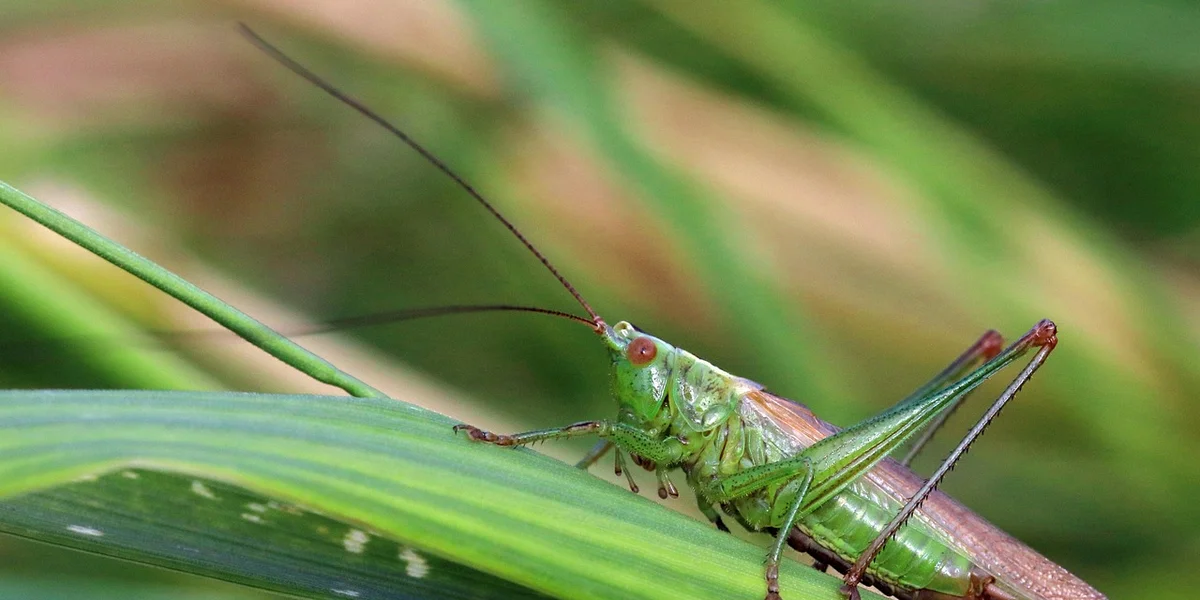
Housing live prey is an active process. You are essentially keeping a mini-habitat alive and nutritious for your gecko. This is a core part of gecko habitat husbandry. A stable enclosure supports safe feeding and overall health.
- Provide ample ventilation with a screened lid to prevent suffocation and moisture buildup.
- Use a substrate like oatmeal or bran for mealworms to burrow in and consume.
- Always gut-load your insects with fresh vegetables 24-48 hours before feeding them to your gecko. This transfers the nutrients directly to your pet.
You have two main options for temperature, depending on the insect:
- Room Temperature: Ideal for crickets and dubia roaches you plan to use within a week. It keeps them active and eating for gut-loading.
- Refrigeration: Best for mealworms and superworms. The cooler temperatures put them into a dormant state, slowing their metabolism and preventing them from pupating too quickly.
Frozen Feeders such as Dubia Roaches
Freezing is a fantastic way to preserve nutrients if you buy in bulk, but you must do it right.
- Spread the feeders in a single layer on a tray to freeze them first. This prevents them from clumping into one big, icy block.
- Once frozen solid, transfer them to an airtight freezer bag or vacuum-sealed pouch. Squeeze out all the excess air.
- To thaw, place the needed portion in a sealed bag and submerge it in warm water. Never microwave them, as this destroys nutrients and creates hot spots that can burn your gecko’s mouth.
Avoiding freezer burn is critical, as it degrades the quality and makes the food less palatable. Your best defense is a strong moisture barrier, which is why vacuum sealing or using heavy-duty freezer bags is far superior to thin plastic deli containers.
Dry Mixes and Shelf-Stable Foods
These powdered diets for crested and day geckos seem hardy, but they are secretly vulnerable to moisture.
- Immediately transfer the powder from its paper bag or flimsy container into a truly airtight glass or hard plastic jar.
- For extra protection in humid climates, toss in a small food-safe desiccant packet, like silica gel. It acts as a tiny moisture sponge inside the container.
Before every use, give the powder a quick visual and smell check. Clumping is the first sign that moisture has gotten in, and any off smell or visible mold means you must throw the entire container away immediately. It is never worth the risk to your gecko’s health.
How Long Can You Keep Gecko Food Fresh?
I’ve learned through trial and error that different foods have vastly different lifespans. Getting this right is the difference between a nutritious meal and a potential health hazard for your gecko. Here’s a simple breakdown of what to expect when looking at fresh diet versus live insects for crested geckos.
| Food Type | Estimated Shelf Life |
|---|---|
| Live Insects (e.g., Crickets, Dubias) | 1-3 weeks with proper gut-loading and care |
| Frozen/Pre-Killed Prey (e.g., Pinkie Mice) | 3-6 months in a deep freezer |
| Dry Diets (Powders, Pellets) | 6-12 months unopened; 3 months after opening |
Expiration dates are your best friend, not a suggestion. I treat them as law in my reptile room. Always use the “first in, first out” rule to rotate your stock, just like a grocery store. This prevents older items from getting buried and forgotten until they’re a science experiment.
My personal routine is simple but non-negotiable. Every Sunday, I do a quick “pantry raid.” I check all my gecko food supplies, toss anything that’s past its prime, and make a list of what needs replenishing. This ten-minute weekly habit has saved me from feeding spoiled food more times than I can count.
Spotting Spoiled Gecko Food: What to Look For
Your eyes and nose are the most powerful tools you have. Trust them. If something looks or smells off, it almost always is. When in doubt, throw it out-your gecko’s health is never worth the risk.
Here are the red flags I look for during my inspections.
- Mold or Fungus: Look for any fuzzy, slimy, or powdery patches, especially on fruits, vegetables used for gut-loading, or in damp insect enclosures.
- Offensive Odors: A sour, vinegar-like, or just plain funky, decaying smell is a dead giveaway. Fresh insect colonies have a mild, earthy scent, not a foul one.
- Insect Death: A large number of dead insects in your colony is a major warning sign. It often indicates disease, starvation, or poor conditions.
- Discoloration: Watch for dried or canned foods that have changed color or developed dark spots.
- Texture Changes: Clumping in powders or a slimy feel to gut-loading produce means it’s time for the trash.
My inspection process is straightforward. I pull everything out, give it a good look under bright light, and take a cautious sniff. I advocate for animal welfare by being ruthlessly efficient during this check; no “maybe it’s okay” items survive the purge.
If I find anything questionable, it gets bagged and binned immediately. I don’t even compost spoiled gecko food to avoid any risk of contaminating other areas. Feeding fresh, high-quality food is one of the simplest and most effective acts of care we can provide for our pets, as highlighted in this comprehensive feeding guide.
Best Containers and Storage Methods
Choosing the right container is your first defense against spoiled gecko food. I always opt for airtight glass or BPA-free plastic jars because they lock out humidity and odors that can ruin nutrients. Vacuum-sealed bags work wonders for bulk items like dried insects, squeezing out air to prevent oxidation. Don’t forget to toss in a silica gel desiccant pack—it absorbs moisture that attracts mold and bacteria. If you reuse substrates, make sure to clean and disinfect gecko substrates properly before returning them to the enclosure. Let them dry completely to prevent mold.
- Airtight containers: Glass jars with clamp lids or screw-top plastics are my top picks. They’re reusable and easy to clean, unlike flimsy bags.
- Vacuum-sealed options: Great for long-term storage, but check seals regularly for leaks. I’ve had a bag fail once, and my gecko Mookie’s crickets turned mushy.
- With desiccants: Silica gel packs are cheap and effective. I buy them in bulk and add one to every food container-it’s saved me from tossing out entire batches.
Comparing moisture control, glass containers beat plastic for durability and non-porous surfaces. Plastic can scratch over time, harboring bacteria, while glass resists stains and odors. For infestation prevention, opaque containers block light that attracts pantry moths. I learned this the hard way when my gecko A-Rod’s mealworms got invaded-now I use dark-colored bins.
- Moisture control: Glass > plastic for consistency. Plastic might warp in heat, compromising the seal.
- Infestion prevention: Opaque, sealed lids keep bugs out. I once found mites in a clear tub-never again.
My personal favorite? Mason jars with rubber gaskets. They’re sturdy, stackable, and I can see the food level without opening them. For my leopard gecko Griffey’s dubia roaches, I use a vacuum-sealed container with a desiccant-it keeps them crunchy for months. Plastic containers with snap locks are a close second for ease, but glass wins for long-term freshness.
Preventing Pests and Maintaining Hygiene
Sanitation isn’t just about cleanliness—it’s about keeping your gecko safe from hidden threats. Always wash your hands before handling food containers to avoid transferring bacteria or mites. I use a mild bleach solution (1 part bleach to 10 parts water) to disinfect containers monthly, rinsing thoroughly so no residue harms my geckos. Equally important is washing your hands after handling your gecko or its enclosure to prevent transferring bacteria. Good hand hygiene is a key part of responsible gecko handling.
- Avoid mites and bacteria: Store food in cool, dry places away from pet areas. I keep my gecko Babe’s fruit mixes in a dedicated cupboard, far from his terrarium.
- Clean containers between refills: Scrub with soap and hot water, then air-dry completely. Damp containers are breeding grounds for mold.
Set a schedule for regular checks. I inspect all food containers every two weeks for signs of pests or spoilage, like webbing or off smells. Clean storage areas with vinegar spray-it’s natural and effective. For deep cleaning, I do a full sanitization every month, especially after introducing new food batches.
- Weekly: Wipe down exterior surfaces and check for condensation.
- Monthly: Empty and sanitize containers, replace desiccants if needed.
- Seasonally: Discard old food stocks-insects lose nutrients over time.
Fresh food directly impacts your gecko’s health. Stale or contaminated food can cause digestive issues or infections, which I’ve seen with my crested gecko Jeter when he ate spoiled fruit paste. Understanding the 9 common gecko feeding mistakes that compromise health can help you prevent these issues. By prioritizing hygiene, you’re not just storing food—you’re safeguarding their vitality. A simple routine prevents vet visits and keeps your gecko thriving.
FAQs
What moisture level is best for stored gecko food?
Aim for a low humidity environment, ideally below 50% relative humidity, to prevent mold growth and nutrient loss in stored gecko food. In live gecko care, humidity and heating in geckos play a role in conjunction to create a stable microclimate. This balance supports shedding, digestion, and overall health.
Do stored insects lose nutrients over time?
Yes, stored insects can gradually lose nutrients due to oxidation and metabolic changes, so it’s important to use them within their recommended shelf life for optimal health benefits.
Should feeding prep be done before storage or after?
Feeding preparation, like gut-loading, should be done shortly before feeding rather than before long-term storage to preserve nutrient quality and freshness.
Final Words
Keeping your leopard gecko’s food fresh boils down to three simple rules: store it in an airtight container, keep it in a cool and dark place, and always trust your eyes and nose over an expiration date. It’s also important to choose only safe, gecko-appropriate foods and avoid items that are unsafe or spoiled. Ensure the prey you offer is appropriately sized and free from contaminants. By following these steps, you ensure every meal is packed with the nutrition your pet needs to thrive.
This level of care with their food is just one part of being a fantastic gecko guardian, and your commitment to learning shows how much you value their well-being. Keep asking questions and seeking out new information-your scaly friend will thank you for a long, healthy, and happy life.
Further Reading & Sources
- Leopard Gecko Food Dish
- Leopard Gecko feeding dish and eating challenges | Geckos Unlimited
- How to Feed Leopard Geckos: 10 Steps (with Pictures) – wikiHow
The Gecko Guide is your ultimate resource for gecko enthusiasts, providing expert advice and practical tips to ensure the health and happiness of your scaly companions. Alexander is a passionate gecko owner with over a decade of experience in reptile care. We are dedicated to offering accurate, up-to-date information to support your gecko journey.Our mission is to foster a community of responsible gecko owners who are passionate about the well-being of these fascinating creatures.
Live Food