
Male vs. Female Geckos: Temperament & Long-Term Care Guide
Published on: March 19, 2026 | Last Updated: March 19, 2026
Written By: Alexander 'Gecko Geek' Johnson
Choosing between a male or female gecko can feel like a big decision, and you’re probably wondering which one will be the best fit for your home and personality.
I’ve raised both over the years, and I’m here to help you break it down. We’ll look at the real-world differences in behavior and the long-term commitments so you can feel confident in your choice.
Here are the key takeaways we will cover:
- The distinct personality traits commonly seen in males versus females.
- How their long-term care needs, like housing and health, can differ.
- Practical advice for choosing the right gecko for your lifestyle.
You will get clear, straightforward advice to guide your decision. The article covers: temperament, housing needs, health considerations, lifespan, and cost of care.
Understanding Basic Sex Differences in Geckos
Physical Characteristics: How to Tell Them Apart
Figuring out if your gecko is a male or female can feel like detective work, but a few key physical signs make it straightforward. The most reliable clues are found just under their tail, near the vent. You’ll want to wait until they are a few months old, as these features become more pronounced with age. This is part of our tell if your leopard gecko male female complete guide. The full guide walks you through all the signs, the ages to look for them, and how to interpret each clue.
- Pre-anal Pores: Males have a distinct V-shaped row of large, dark pores above their vent. Females may have tiny, barely visible pores or none at all.
- Hemipenal Bulges: This is the big one. Males have two noticeable bulges at the base of their tail, which are the housed hemipenes. Females have a much flatter, smoother area there.
- Body Shape: Mature males often develop a broader, more robust head and neck compared to females of the same age and species.
Age of Sexual Maturity and Its Impact
Geckos don’t reach maturity all at once; it’s a gradual process tied to their weight and age. Knowing when your gecko hits this milestone helps you anticipate and manage behavioral changes. Their care needs can shift, especially for females.
- Leopard Geckos: Typically mature between 8-12 months old or 45-50 grams.
- Crested Geckos: Usually reach maturity around 12-18 months or 35-40 grams.
- African Fat-Tailed Geckos: Mature slightly later, often between 18-24 months.
- Gargoyle Geckos: Similar to Cresteds, maturing around 15-18 months.
Once mature, males may start showing territorial behaviors. For females, maturity means they can produce eggs, which requires you to provide a lay box and adjust their diet with extra calcium.
Comparing Gecko Temperament and Behavior by Sex
Male Gecko Behavior: Territoriality and Activity
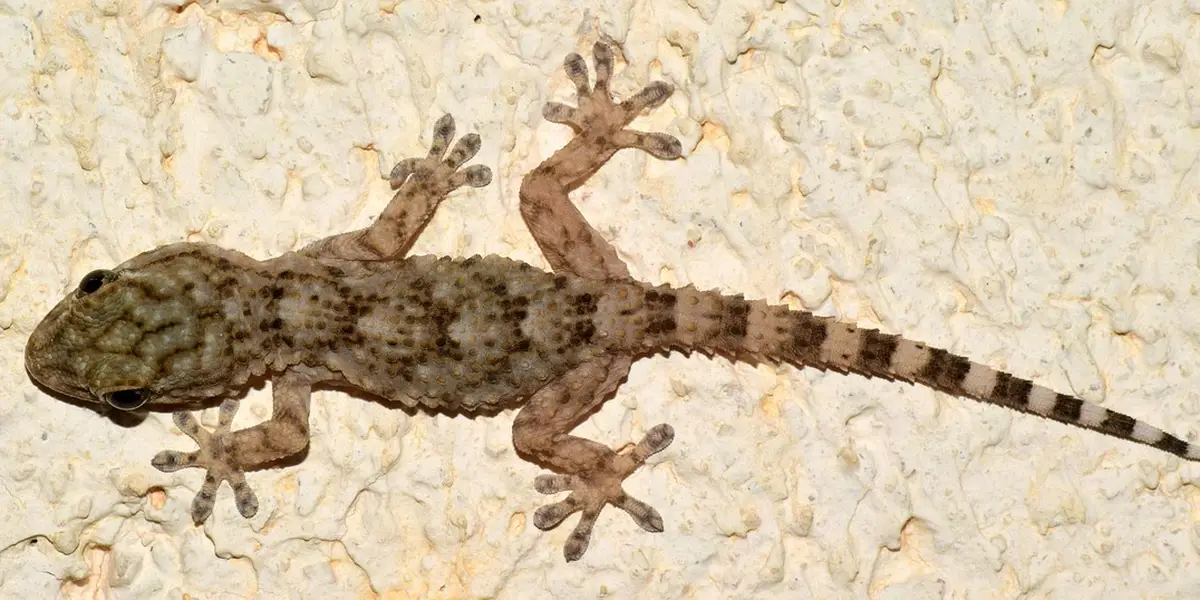
Male geckos are often the more dramatic personalities in the reptile world. They are hardwired to claim territory and will let everyone-including you-know about it. My African Fat-Tailed gecko, A-Rod, is a perfect example. He will meticulously rearrange every leaf and hide in his tank, creating a fortress that is unmistakably his.
You might notice your male gecko performing push-ups on his favorite basking spot or rubbing his pre-anal pores on surfaces to leave his scent. They can also be more vocal, with chirps and clicks used to warn off perceived rivals. Housing two males together is a strict no-go, as it leads to intense, injurious fighting.
Female Gecko Behavior: Social Dynamics and Stress
Female geckos generally have calmer, more easy-going dispositions, but they have their own complex social rules. While some species can cohabitate, a strict pecking order will always be established. I’ve observed that even in a seemingly peaceful group, one female will always be the “boss,” controlling the best basking and hiding spots.
The biggest factor influencing a female’s behavior is her reproductive cycle. A gravid (egg-carrying) female may become restless, dig constantly, and refuse food. Providing a private, moist lay box is not just a nice-to-have; it’s essential for preventing life-threatening egg-binding. After laying eggs, you’ll often see her calm right back down to her normal, placid self.
Handling Ease and Stress Responses
Your approach to handling should be tailored to your gecko’s sex to keep stress low and trust high. Geckos are prey animals first, so every interaction should be built on patience and respect for their boundaries. When you bring home a hatchling, start with short, gentle handling sessions to help it socialize safely. Monitor for stress cues and keep sessions brief until trust is established.
- Handling Males: Be confident and deliberate. Sudden movements can trigger a territorial display. Support their body fully and avoid reaching directly over their head, which they may see as a threat.
- Handling Females: Use a gentle, slow approach. They are more prone to stress from rough handling. Always check if a female looks gravid (you might see egg shapes in her belly) before handling, as it can cause her distress.
Always be mindful of tail autotomy as a stress response—their ability to drop their tail when frightened. Tail dropping is a stress-driven reflex tied to the gecko’s stress response, and it can be triggered by sudden movements or rough handling. Minimizing handling and maintaining a calm environment lowers the risk of triggering this response. This is a last-ditch defense mechanism that is incredibly stressful for them and takes a huge amount of energy to regrow. Never grab a gecko by its tail, and if a drop does happen, focus on keeping their habitat clean and their nutrition top-notch to support recovery.
Housing and Enclosure Needs for Male and Female Geckos
Enclosure Size and Layout by Sex
Getting the enclosure size right is your first step to a happy gecko. For a single adult leopard gecko or African fat-tailed gecko, a 20-gallon long tank is the sweet spot. My energetic male leopard gecko, Griffey, uses every inch of his. Gecko housing requirements hinge on tank size, substrate, and enrichment. Different species have distinct setup needs, so tailor the enclosure accordingly. Housing multiple geckos requires more space and careful planning to prevent stress.
Here are your best options for group housing:
- Solo Housing (Recommended): The safest choice for males, as they are highly territorial.
- Female-Only Groups: You can sometimes house 2-3 females in a 40-gallon breeder tank, but watch for bullying.
- Male-Female Pairs (Breeding Only): Never house them together permanently. This is exhausting and dangerous for the female.
Furnishing and Hiding Spot Preferences
Furnishing is more than just decoration; it’s about creating a secure home. Every enclosure needs at least three hides: a warm hide, a cool hide, and a humid hide for shedding. Territorial males, in particular, need visual barriers to feel secure and reduce glass-surfing behavior.
From my experience with my grumpy A-Rod, a male fat-tailed gecko, I learned to add extra clutter. His favorite pastime is rearranging his décor, which seems to satisfy his territorial instincts.
- Essential Items: A secure basking spot, a humid hide filled with damp sphagnum moss, and a water dish.
- For Territorial Males: Use cork rounds, fake plants, and rock stacks to break the line of sight across the terrarium.
- For All Geckos: Ensure all hides are snug, making your pet feel “hidden” and safe.
Temperature, Humidity, and Lighting Adjustments
Creating the right climate is non-negotiable. Most terrestrial geckos need a warm side around 88-92°F and a cool side around 70-75°F. I’ve noticed my males often spend more time actively patrolling the warm end. To create a perfect temperature gradient in the enclosure, position heat sources and hides to produce a smooth transition from warm to cool. This gradient helps geckos thermoregulate and choose where to rest. Always use thermostats with your heat sources to prevent dangerous burns.
Humidity needs are generally not sex-specific but are crucial for species-specific health.
- Humid Hides: Critical for perfect sheds. Place this on the warm side to create a mini sauna.
- Lighting: While not all geckos need UVB, providing a low level can benefit their overall health and activity.
- Basking Spots: Ensure the basking surface, not just the air, reaches the proper temperature for digestion.
Species-Specific Care: Male vs. Female in Popular Pet Geckos
Leopard Geckos: Energetic Males vs. Calmer Females
Leopard geckos are a fantastic beginner species, but the sexes can act quite differently. My male, Griffey, is a whirlwind of curiosity, constantly exploring his hides. Understanding what each action means helps you respond appropriately and keep them comfortable. Females are often more sedentary and can be easier to handle for longer periods.
Here is a quick-reference table for leopard geckos:
| Male | Female | |
|---|---|---|
| Typical Temperament | Energetic, territorial, vocal | Calmer, more docile |
| Housing | Must live alone | Can sometimes live with other females |
| Handling | May be more wiggly | Often more tolerant |
Crested and Gargoyle Geckos: Climbing and Social Behaviors
These arboreal geckos live life in the vertical plane! They need tall enclosures filled with branches and foliage. My male crested gecko, Jeter, is calm and confident, always perched on the highest branch like a captain surveying his field. Males will often claim the highest point in the tank as their territory.
My female gargoyle gecko, Mookie, is a different story. She is incredibly playful and makes explosive leaps between branches. This isn’t necessarily a sex trait, but it shows the individual personality you can get. You should never house two males together, as they will fight.
Day Geckos and Fat-Tailed Geckos: Visibility and Solitude
This is a classic contrast between a showman and a recluse. My male Giant Day Gecko, Babe, is bold, food-motivated, and loves to bask in open view. He’s a fantastic display animal but is too fast and fragile for handling. Day geckos are visually stunning pets that you watch rather than hold.
On the flip side, my male African Fat-Tailed Gecko, A-Rod, is the definition of a homebody. He is alert, prefers solitude, and spends most of his time in his hides. This reclusive nature is typical of the species.
- For Bold Species (Day Geckos): Provide plenty of broad leaves and vertical space for basking in the open.
- For Reclusive Species (Fat-Tails): Focus on ground-level hides and a deep, loose substrate they can burrow in.
Long-Term Health and Lifespan Considerations
Common Health Issues in Male Geckos
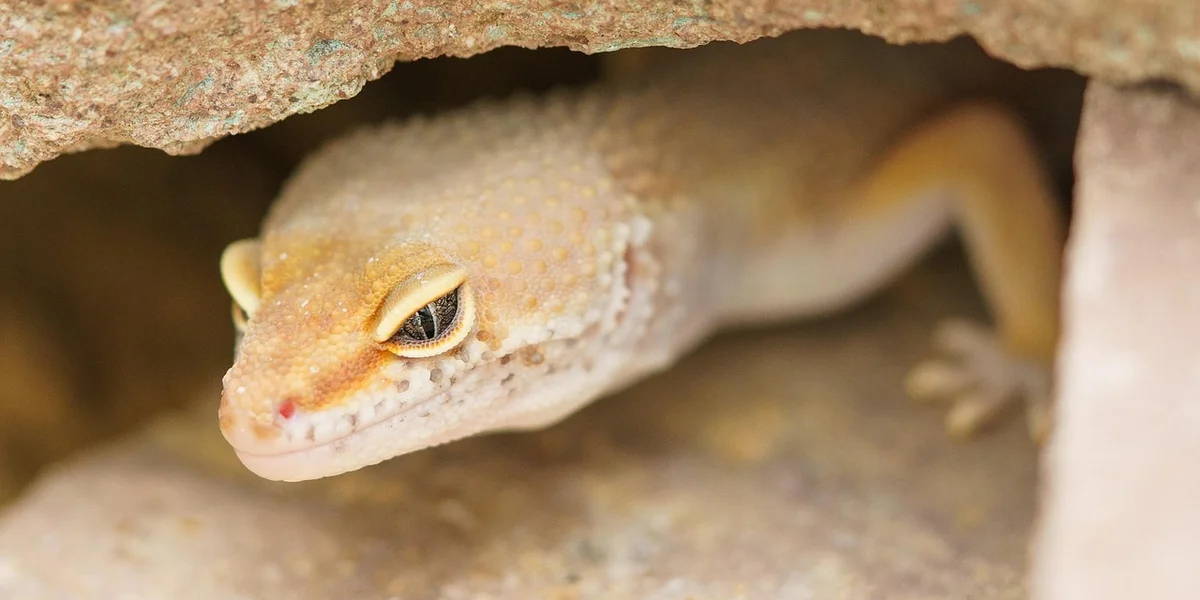
While male geckos are often hardy, they face specific health challenges tied to their biology and behavior. My male leopard gecko, Griffey, has been mostly healthy, but I stay vigilant for these common issues.
- Hemipenal Prolapse: This is a serious condition where the internal sex organs do not retract. It can be caused by infection, impaction, or breeding injuries. A prolapse is a veterinary emergency that requires immediate professional care to save the gecko’s life and prevent tissue death.
- Aggression-Related Injuries: In multi-male setups, fighting leads to bite wounds, tail loss, and extreme stress. Even solo males can injure themselves by repeatedly glass-surfing if they see their reflection.
- Impaction: Males are just as prone to this from ingesting loose substrate or large prey items.
Preventive care is your best tool. I schedule a wellness check for my geckos with a reptile vet once a year. This helps catch subtle issues early. Always provide a humid hide to aid with perfect sheds and reduce the risk of prolapse.
Reproductive Health in Female Geckos
Female geckos carry the immense physical burden of reproduction, whether they’ve been with a male or not. Some gecko species can lay eggs without a mate through parthenogenesis in geckos, and those eggs are often infertile. This distinction helps explain why their reproductive cycles and care needs can differ from species that require fertilization. I’ve cared for several females, and their needs are significantly different.
- Egg-Binding (Dystocia): This is the biggest risk. It happens when a female cannot pass her eggs. Causes include poor nutrition, an unsuitable laying site, or being underdeveloped. A bound egg is a life-threatening condition that can quickly prove fatal without surgical intervention.
- Calcium Drain: Producing eggshells leaches massive amounts of calcium from a female’s body, putting her at high risk for Metabolic Bone Disease (MBD).
You must provide a lay box-a simple container filled with moist sphagnum moss or topsoil. Place it in the warm end of the enclosure. Watch for signs she’s ready to lay, like digging and decreased appetite. During this time, I dust every single feeding with a calcium supplement to support her health.
Nutrition and Hydration Needs by Sex
Diet is not one-size-fits-all, especially when comparing breeding and non-breeding geckos. Their bodies have vastly different nutritional demands. Understanding diet requirements by species helps identify which species are the easiest to feed. Some species, like leopard geckos and crested geckos, are particularly forgiving and readily accept common feeder items.
- Non-Breeding Adults: Maintain a standard diet. For my insectivores, this means gut-loaded insects dusted with calcium 2-3 times a week and a multivitamin once a week.
- Breeding/Gravid Females: Their needs skyrocket. They require constant access to calcium. I leave a small bottle cap of pure calcium powder in the enclosure so they can self-regulate. Feed them more frequently to maintain body weight.
- All Geckos: Hydration is critical. I provide a shallow water bowl changed daily and mist the enclosure for my cresties and gargoyles. Proper hydration supports every bodily function, from digestion to kidney health and successful shedding.
Breeding Geckos: What to Know Before You Start
Setting Up for Successful Breeding
Breeding geckos is a major commitment, not a casual hobby. The goal should always be the health of the parents and the quality of life for every hatchling. By anticipating common gecko breeding problems and knowing how to solve them, you can protect both parents and hatchlings. Proactive measures—proper incubation, balanced nutrition, and routine health checks—help prevent issues before they arise.
- Quarantine New Geckos: Any new gecko must be kept in a separate room, with separate tools, for a minimum of 90 days. This prevents the spread of parasites and illness to your established pets.
- Confirm Sex and Health: Only breed geckos that are of optimal weight, at least one year old, and have a clean bill of health from a vet.
- Research Genetics: Never breed geckos with known genetic defects or related geckos. Prioritizing genetic diversity is non-negotiable for producing strong, healthy offspring and upholding animal welfare.
- Prepare Separate Enclosures: The female should always have her own space. Introduce the male to her enclosure for short, supervised periods to minimize stress.
Caring for Gravid Females and Hatchlings
Once a female is gravid (carrying eggs), her care becomes intensive. After the eggs hatch, your responsibility multiplies.
Gravid Female Care Checklist:
- Ensure the lay box is always available and humid.
- Offer food daily; she may refuse it as she nears laying.
- Weigh her weekly to ensure she isn’t losing too much condition.
- Handle her as little as possible to reduce stress.
Hatchlings need their own simple, secure enclosures to prevent bullying and ensure they are eating. Do not handle them for the first few weeks. Breeding comes with a long-term commitment to finding ethical, well-researched homes for every single baby you produce. Have a rehoming plan in place before the first egg even hatches.
FAQs
Which gecko sex is generally easier to handle for a beginner?
Female geckos are often more docile and tolerant of handling, making them a calmer choice for beginners.
Can I keep two male geckos together in one enclosure?
You should never house two male geckos together as they are highly territorial and will fight, leading to injury.
Do male or female geckos typically live longer?
With proper care, both sexes can live equally long lives, as lifespan is more dependent on species and overall husbandry than on sex.
Are female geckos more expensive to care for than males?
Female geckos can have higher long-term costs due to potential reproductive health issues and the need for supplemental calcium, especially if they lay eggs.
Do female geckos require special care if I don’t plan to breed them?
Yes, even without a male, females can lay infertile eggs and require a lay box and increased calcium to prevent life-threatening egg-binding.
Final Thoughts
The most important takeaway is to choose your gecko based on its unique personality, not just its gender. While males can be more territorial and females are often more solitary, I have gentle males and feisty females in my own collection. Your long-term commitment to proper housing, diet, and handling matters far more than their sex. Consider consulting a gecko temperament guide to see which species are most handleable. This helps you start with a calm, beginner-friendly option while you learn the individual differences.
Being a great gecko keeper means committing to a pet that could share your life for 15-20 years. Continue observing your scaly friend, stay curious about new care information, and always prioritize their welfare above all else. The journey of learning never truly ends, and that’s what makes it so rewarding.
Further Reading & Sources
- Should I get a male or female leopard gecko as pets? – OnlineGeckos.com Gecko Breeder
- r/leopardgeckos on Reddit: Male or Female pros and cons
- How To Tell If A Leopard Gecko Is Male Or Female
The Gecko Guide is your ultimate resource for gecko enthusiasts, providing expert advice and practical tips to ensure the health and happiness of your scaly companions. Alexander is a passionate gecko owner with over a decade of experience in reptile care. We are dedicated to offering accurate, up-to-date information to support your gecko journey.Our mission is to foster a community of responsible gecko owners who are passionate about the well-being of these fascinating creatures.
Sexing & Mating Behavior