
What to Do After Your Geckos Mate: Egg Laying and Incubation Basics
Published on: May 24, 2026 | Last Updated: May 24, 2026
Written By: Alexander 'Gecko Geek' Johnson
You’ve just witnessed your geckos mate, and now a wave of panic hits-what on earth do you do when those first tiny, delicate eggs appear? I remember the first time I found two perfect, white eggs from my leopard gecko, Griffey; my heart raced with a mix of excitement and pure fear of messing it up.
Don’t worry, I’ve been there. This guide will walk you through the essential steps, turning your anxiety into confident action. We’ll cover everything you need to know, starting with these three critical takeaways:
- How to identify and safely handle fertile eggs without harming them.
- Setting up a simple, effective incubation setup on any budget.
- Monitoring your eggs for health and knowing exactly when to expect hatchlings.
You will get clear, step-by-step advice based on my own experience raising healthy clutches. The article covers: identifying fertile eggs, setting up an incubation box, choosing an incubation medium, temperature and humidity control, candling eggs for development, incubation timelines, and preparing for hatchling care.
Spotting the Signs: Is Your Gecko Ready to Lay Eggs?
Identifying Post-Mating Behavior and Nesting Cues
Guiding Notes
After a successful mating, your female gecko will start showing clear signs that she’s developing eggs. You’ll first notice a significant change in her body shape, with plump, pear-like bulges appearing on her sides. This is a sure sign that eggs are forming. These appearance signs—changes in body shape and overall outline—are what you use to identify gecko pregnancy.
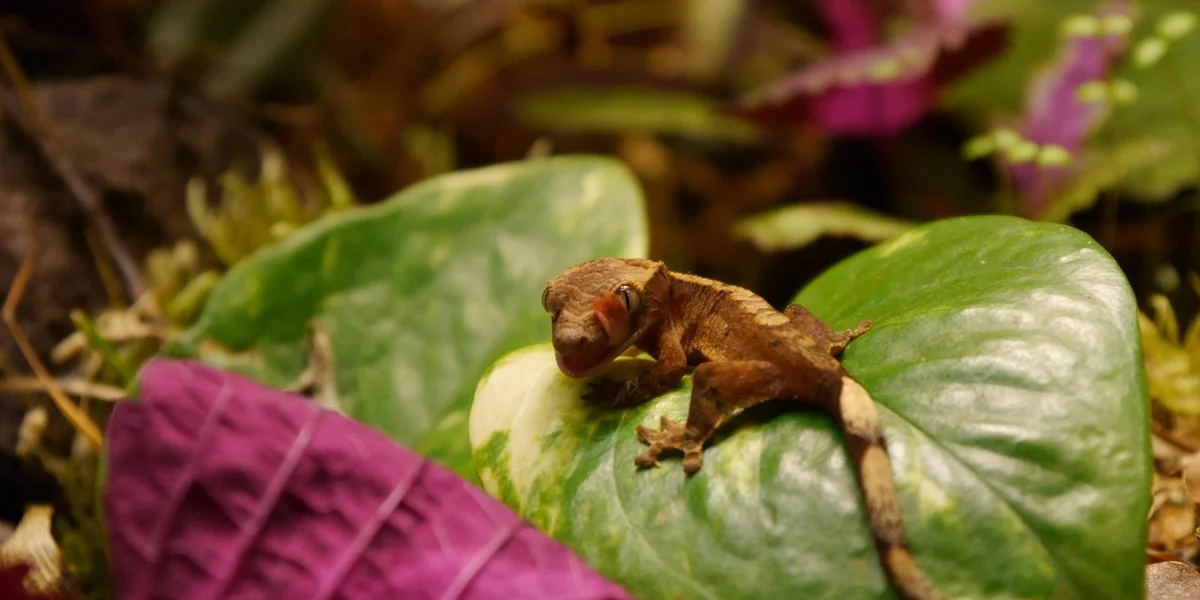
Behaviorally, she will become restless and may start digging incessantly in her enclosure. I remember my Crested Gecko, Jeter, who is normally so calm, suddenly turning into a frantic little excavator in one corner of his tank. This digging is a powerful nesting instinct; she is searching for the perfect, secure spot to deposit her eggs.
She will also likely go off her food. Do not panic if she refuses meals for a week or two; this is completely normal as her body is focused on egg production.
To gently check for egg development, wait until she is calm and resting on a smooth surface. With clean, warm hands, you can sometimes see the outline of the eggs through her belly skin, or feel them as soft, oval masses. Be incredibly gentle-you should never press hard or force her into a position. If she struggles, stop immediately. The goal is observation, not stress.
Creating the Ideal Laying Box and Enclosure Setup
Choosing the Right Substrate and Humidity Control
Guiding Notes
A proper laying box is non-negotiable for a healthy, stress-free egg-laying process. Without a suitable spot, your gecko may become egg-bound, a serious and life-threatening condition. Here is how to set one up correctly.
- Find a small, opaque container with a lid, like a deli cup or Tupperware.
- Cut a smooth, entrance hole in the side large enough for your gecko to enter and exit easily.
- Fill the container about two-thirds full with your chosen moist substrate.
- Place the box on the warm side of the enclosure, ensuring it feels secure and private.
Choosing the right substrate is critical for maintaining humidity and allowing your gecko to dig. When selecting substrates for your gecko’s enclosure, consider humidity and ease of cleaning. Here are the top options:
- Vermiculite: Holds moisture extremely well and is a favorite among breeders. It’s lightweight and allows for easy egg retrieval. The downside is that it can be a bit messy if tracked out of the box.
- Sphagnum Moss: Excellent for humidity and creates a natural, fibrous structure for digging. My geckos, especially A-Rod, seem to love the texture. The con is that it can mold if it becomes too wet and isn’t refreshed.
- Perlite: Often mixed with vermiculite. It provides great aeration but doesn’t hold moisture as well on its own.
The key is to hydrate your substrate until it is damp enough to clump together without dripping water. I test it by squeezing a handful—if water streams out, it’s too wet. You must check the moisture level daily and re-mist as needed. Proper humidity within this box is what convinces your gecko it’s a safe place to lay her precious eggs. To set this up properly, follow our Leopard gecko egg-laying box guide. It walks you through substrate, humidity, and placement every step of the way.
The Incubation Process: A Step-by-Step Guide
Retrieving and Handling Gecko Eggs Safely
Guiding Notes
Finding those first little eggs is a thrilling moment. I remember the mix of excitement and panic I felt with my leopard gecko Griffey’s first clutch. The single most important rule is this: do not rotate the eggs. The embryo attaches to the top of the shell, and turning it can drown it.
Gently dig around the egg with a spoon or your fingers until you can cup it from below. Mark the very top with a soft pencil. This little dot is your guide; it must always face up. Lift the egg in the same orientation you found it and transfer it directly to your pre-prepared incubation container.
You don’t need a fancy, expensive incubator to start. A simple DIY method works wonderfully. I’ve hatched dozens of healthy babies using plastic deli cups filled with moist incubation medium.
- Take a small plastic container with a lid.
- Poke several small holes in the lid for air flow.
- Fill it about halfway with a moist, sterile substrate like vermiculite or perlite. It should be damp enough to clump, but not dripping wet.
- Make a small indentation for the egg to sit in, place the egg inside, and close the lid.
Once your eggs are settled, a simple daily routine keeps them healthy. This checklist takes me less than a minute each morning.
- Check the incubator’s temperature reading for consistency.
- Look for condensation on the container walls – this tells you the humidity is good.
- Ensure no water is pooling at the bottom of the cup.
- Do a quick visual check of the eggs for any discoloration or collapse.
Mastering Incubation Temperature and Humidity
Guiding Notes
Temperature is the conductor of your incubation symphony. Getting it right determines not just if your eggs hatch, but for some species, what you’ll get. For leopard geckos, temperature directly decides the sex of the hatchling. It’s a fascinating piece of science happening right in your incubator. So knowing the right temperature for either male or female eggs is crucial to your success.
Here are the safe ranges I use for my own geckos:
- Leopard Geckos: 80-90°F (27-32°C). The sweet spot for males is 88-90°F, while 80-82°F typically produces females.
- Crested Geckos: A stable 72-78°F (22-26°C) is perfect. They are not temperature-sex dependent.
- African Fat-Tailed Geckos: Similar to leopard geckos, but I keep mine at a steady 82-85°F for a good mix.
Humidity is temperature’s crucial partner. Too dry, and the eggs will shrivel and collapse. Too wet, and they can grow mold. You want to create a tropical, stable microclimate inside that little cup.
| Species | Ideal Humidity | Monitoring Tip |
|---|---|---|
| Leopard Gecko | 80-90% | Condensation should always be visible on the container walls. |
| Crested Gecko | 80-100% | The substrate should feel very damp to the touch. |
| African Fat-Tailed | 80-90% | Similar to leopard geckos; avoid any standing water. |
Understanding Incubation Duration and What to Expect
Guiding Notes
The waiting game tests your patience. Incubation times vary widely by species and temperature. Warmer temperatures usually speed things up, but stay within the safe ranges.
- Leopard Geckos: 35-90 days. At 88°F, mine usually hatch in about 45-50 days.
- Crested Geckos: 60-120 days. My gecko Jeter’s eggs took a solid 75 days at room temperature.
- African Fat-Tailed Geckos: 45-70 days. My A-Rod’s clutch hatched in exactly 52 days.
You’ll see the eggs change as they develop. They start firm and pearly white. Over time, they may look a bit deflated as the embryo uses the moisture. A healthy egg will often “sweat” or bead with moisture right before hatching. Gecko eggs vary by species in size and shape, so a visual guide to gecko eggs can help you tell them apart. A quick comparison will show which species laid the eggs you’re observing. You might even see a tiny “pip” mark where the baby gecko starts to break out with its egg tooth.
I learned the hard way with my first clutch not to “help” a hatching gecko. One of Babe’s eggs had a pipped hole, but the baby wasn’t coming out. I interfered and sadly, the yolk sac wasn’t fully absorbed. The best thing you can do is provide a stable environment and let nature take its course, even when it’s slow. The successful hatches, watching a perfect little Mookie emerge, make all the waiting worthwhile.
Checking Egg Health: Candling and Fertility Tests
How to Candle Eggs and Identify Fertile vs. Infertile Ones
Guiding Notes
Candling is like getting a sneak peek at the miracle of life inside the egg. It’s simple to do. Wait about a week after the eggs are laid, then take them into a dark room. Shine a bright, small flashlight directly through the top of the egg where you made your pencil mark. Do this quickly to avoid overheating the embryo.
A fertile, healthy egg will show you a beautiful network of tiny red veins spreading out like a little red spiderweb. You might even see a small dark spot-that’s the growing embryo. As weeks pass, the egg will become less translucent and more shadowy as the baby gecko gets bigger.
Not all eggs are destined to hatch, and that’s normal. Here’s how to tell the difference:
- Healthy & Fertile: Firm, white shell. Shows clear veining when candled.
- Infertile (“Slugs”): Often smaller and yellower. They will remain completely clear when candled, showing no signs of development.
- Rotting/Bad: These can be dangerous. They may collapse, grow fuzzy mold, or turn a nasty yellow or green color. They often smell foul.
I check my egg containers every two or three days for any bad eggs. Remove any questionable eggs immediately to prevent mold or bacteria from spreading to the healthy ones. It’s a tough but necessary part of breeding. I’ve had to remove a few from clutches, and it never gets easier, but it protects the rest of the batch.
Caring for Parent Geckos and Hatchlings Post-Laying
Post-Laying Health Checks and Calcium Supplementation
After my gecko, Babe, lays her eggs, she looks absolutely drained. The first thing I do is give her a thorough once-over. I gently pick her up and feel her body condition. You need to ensure she hasn’t lost a drastic amount of weight; a slight drop is normal, but a bony pelvis or a tail that’s lost significant plumpness is a red flag. Watch her behavior closely for the next 48 hours. Is she active and showing interest in food, or is she lethargic and hiding constantly?
Egg production sucks calcium straight from a female’s bones. I immediately offer Babe a small bowl of pure calcium powder without D3 right in her enclosure. Providing a dedicated calcium dish allows her to self-regulate and replenish what she’s lost, which is critical for preventing Metabolic Bone Disease. Her next few meals are always dusted heavily with a calcium supplement containing D3 to ensure proper absorption.
I’ve found that most of my geckos do fine cohabitating after breeding, but you must be vigilant. You should separate the male and female if you notice the male is relentlessly pursuing her for another mating session or if the female shows signs of stress, like weight loss or aggression. Giving her a private, stress-free space to recover is one of the kindest things you can do. For more information on housing geckos together, especially around breeding, check out Can you cohabitate geckos for breeding: risks and best practices.
Setting Up a Hatchling Habitat for Success
Hatchlings are tiny and incredibly vulnerable. I set them up in a simple 10-gallon tank or a well-ventilated plastic tub. The smaller space makes it easy for them to find food and feel secure. A simple paper towel substrate is non-negotiable for the first few months; it’s safe, sterile, and lets you easily monitor their health and droppings. You must include multiple tiny hides-one on the warm side, one on the cool side, and a moist hide stuffed with damp sphagnum moss.
Resist the urge to handle them for at least the first two weeks. They need to settle in and start eating reliably. Offer food on the tip of a tiny spoon or in a very shallow bottle cap; I start my hatchlings on small crickets or a Crested Gecko diet, making sure the prey is no larger than the space between their eyes. Don’t panic if they don’t eat right away; it can take a few days for them to feel brave enough.
My little Mookie was painfully shy as a hatchling. He’d hide all day. I learned that leaving food out overnight and using a red light to observe him was the key to ensuring he was actually eating. Patience is your greatest tool. If a hatchling refuses food, try different feeders. Sometimes a small, wiggling waxworm is the perfect temptation to kickstart their appetite.
Troubleshooting Common Egg Laying and Incubation Problems
Preventing and Addressing Egg Binding
Egg binding, or dystocia, is a life-threatening emergency. The signs are hard to miss if you’re paying attention. Look for a female who is straining for prolonged periods, is lethargic, has a loss of appetite, or you can clearly see one or more eggs stuck in her oviduct. She may also seem wobbly or have difficulty moving her back legs.
If you suspect egg binding, your first step is to create a warm, humid retreat. Immediately place her in a small container with a warm, damp paper towel substrate and gently mist the air; the warmth and humidity can sometimes help her pass the eggs naturally. This is a temporary measure. If she shows no progress within a few hours, or if she appears to be in distress, you must seek emergency veterinary care. Surgery may be required.
Prevention is always better than cure. The single best way to prevent egg binding is through impeccable husbandry, specifically providing a proper lay box and a calcium-rich diet year-round. A stressed, undernourished gecko is a prime candidate for this condition. Give them the resources they need long before you ever plan to breed them.
Managing Low Hatch Rates and Egg Failures
It’s disheartening to watch eggs collapse or never hatch. The causes are usually environmental or genetic. Incorrect incubation temperature is the most common culprit; even a few degrees off can result in all-male or all-female clutches, developmental deformities, or complete hatch failure. Infertility is another issue, often due to an immature male, poor health, or simple incompatibility between your geckos.
To improve your future hatch rates, be a stickler for your incubation setup. I now use a dedicated, high-quality incubator for my more valuable clutches because it provides superior temperature stability compared to a homemade setup. Always calibrate your thermometers and hygrometers. Record everything-the pairing dates, lay dates, and incubation conditions for every single clutch. This data is gold when troubleshooting.
I lost an entire clutch from my gecko Jeter once. The eggs just slowly molded and caved in. I traced the problem back to the incubation medium being a little too wet, which promoted fungal growth and suffocated the embryos. It was a tough lesson, but it taught me the precise, crumbly-to-the-touch consistency that vermiculite or perlite needs for successful incubation. Every failure is a step toward greater success.
FAQs
How should I incubate mourning gecko eggs?
Incubate mourning gecko eggs in a moist, sterile substrate like vermiculite at room temperature (around 75-80°F) with high humidity to support development. For a comprehensive treatment of temperature, humidity, and substrate options, see the ultimate gecko egg incubation guide.
How long does it take for mourning gecko eggs to hatch?
Mourning gecko eggs typically hatch in 60 to 90 days when kept at stable incubation conditions.
What is the basic setup for gecko egg incubation?
Use a small, ventilated container filled with damp incubation medium, and maintain consistent temperature and humidity based on the species.
What temperature range is generally safe for gecko egg incubation?
Most gecko eggs incubate successfully within a broad temperature range of 70°F to 90°F, but exact settings vary by species for optimal results. This complete guide to incubating gecko eggs covers temperature-dependent sex determination (TSD) and how to tailor conditions for your species. It also offers practical steps for monitoring and adjusting temperatures to support healthy hatch outcomes.
What humidity is ideal for crested gecko egg incubation?
Crested gecko eggs need very high humidity levels, typically between 80% and 100%, to avoid dehydration and ensure healthy embryo growth. To help achieve and maintain these conditions, many breeders use humidity foggers. Foggers provide a fine mist that helps keep incubation environments consistently humid.
Your Gecko Breeding Journey Starts Here
Success with gecko eggs boils down to three simple steps: provide a proper laying box, handle the delicate eggs with extreme care, and maintain stable incubation conditions. This gecko reproduction biology beginners guide is designed for beginners, explaining why these steps matter. It also shows how incubation and environment influence hatch success. Get these fundamentals right, and you’ve laid the groundwork for a fascinating experience watching new life develop.
The true mark of a great keeper isn’t just hatching eggs, but committing to the lifelong welfare of every animal you bring into this world. I’m always learning from my own geckos and the wider reptile community, and I encourage you to do the same-your scaly family will thrive for it.
Further Reading & Sources
- Albey’s How To Incubate Leopard Gecko Eggs
- How to Incubate Leopard Gecko Egg? – Geckopia
- Professional Reptiles | Leopard Gecko Egg Incubation
The Gecko Guide is your ultimate resource for gecko enthusiasts, providing expert advice and practical tips to ensure the health and happiness of your scaly companions. Alexander is a passionate gecko owner with over a decade of experience in reptile care. We are dedicated to offering accurate, up-to-date information to support your gecko journey.Our mission is to foster a community of responsible gecko owners who are passionate about the well-being of these fascinating creatures.
Incubation & Egg Care