
Where to Buy a Healthy Leopard Gecko: A Complete Guide
Published on: May 29, 2026 | Last Updated: May 29, 2026
Written By: Alexander 'Gecko Geek' Johnson
You’re looking for a new leopard gecko, but you’re worried about accidentally buying a sick or stressed-out animal from a bad source. I’ve been there, and that fear is completely valid. Bringing home a healthy pet starts with knowing exactly where to look.
I will help you find a vibrant, happy gecko by breaking down the best and worst places to shop. We will cover:
- How to spot a reputable breeder versus a problematic seller.
- The critical health signs you must check before you buy.
- Major red flags that should make you walk away immediately.
By the end of this guide, you’ll have the confidence to choose a source that puts animal welfare first. We cover: reputable breeders, pet stores, reptile expos, online options, health checks, red flags, and initial setup tips.
Understanding Your Leopard Gecko Buying Options
Choosing where to get your new scaled friend is your first major decision. Your choice directly impacts the animal’s initial health and your long-term satisfaction. I’ve brought home geckos from nearly every type of source, and the differences in their long-term well-being have been stark.
- Reptile Breeders: Often the best for health and genetic history.
- Pet Stores: Convenient but require extreme vigilance.
- Online Retailers: A world of choice that needs careful navigation.
- Rescues & Rehoming: A deeply rewarding path for a compassionate owner.
Reptile Breeders: The Gold Standard
My gecko, Griffey, came from a dedicated breeder, and his vibrant health is a testament to that choice. A reputable breeder invests their heart into every animal they produce. You are not just buying a pet; you are gaining a lifelong resource.
Find them at reptile expos, through breeder directories, or via recommendations in gecko groups.
- Pros: Extensive morph variety, known genetics and hatch date, health guarantees, lifelong support, and well-started, socialized babies.
- Cons: Often higher initial cost, may require travel or shipping, waiting lists for rare morphs.
Pet Stores: What to Watch For
I have seen too many stressed, thin geckos in chain store enclosures. Big-box stores often source from mass breeders where profit can outweigh individual welfare. Local, specialized pet stores can be better, but you must be your own inspector.
Always ask staff specific questions: “What are you feeding them?” and “Can I see one eat?”
- Pros: Immediate availability, no shipping stress, you can physically inspect the animal.
- Cons: Unknown history, higher risk of parasites or illness, staff may lack specialized knowledge, often house geckos incorrectly.
Online Retailers: Navigating Digital Purchases
Buying a gecko you have never held is a leap of faith. Your due diligence is the safety net for that animal’s journey to your door. Only purchase from sites that are transparent about their shipping process and have glowing reviews. In the US, this is part of a complete guide to shipping geckos safely and legally. Always verify compliance with state and carrier regulations to protect both you and the animal.
Look for sellers who provide a “hold” option for extreme weather and use specialized reptile shipping services.
- Pros: Access to breeders nationwide, immense selection of morphs, detailed photos and information.
- Cons: Shipping is expensive and stressful for the animal, you cannot assess health in person, risk of misrepresentation.
Rescues and Rehoming: A Compassionate Choice
Adopting a gecko in need is one of the most fulfilling experiences. You are giving a second chance to an animal that just needed the right home. Many rescues have geckos of all ages, from sprightly juveniles to calm, handleable adults.
Be prepared for potential special needs, like a regrown tail or a initial fear of hands.
- Pros: Saves a life, typically lower cost, often older and calmer animals, supporting animal welfare.
- Cons: Possible unknown health or behavioral history, may require rehabilitation, limited morph selection.
Spotting a Healthy Leopard Gecko: Key Signs
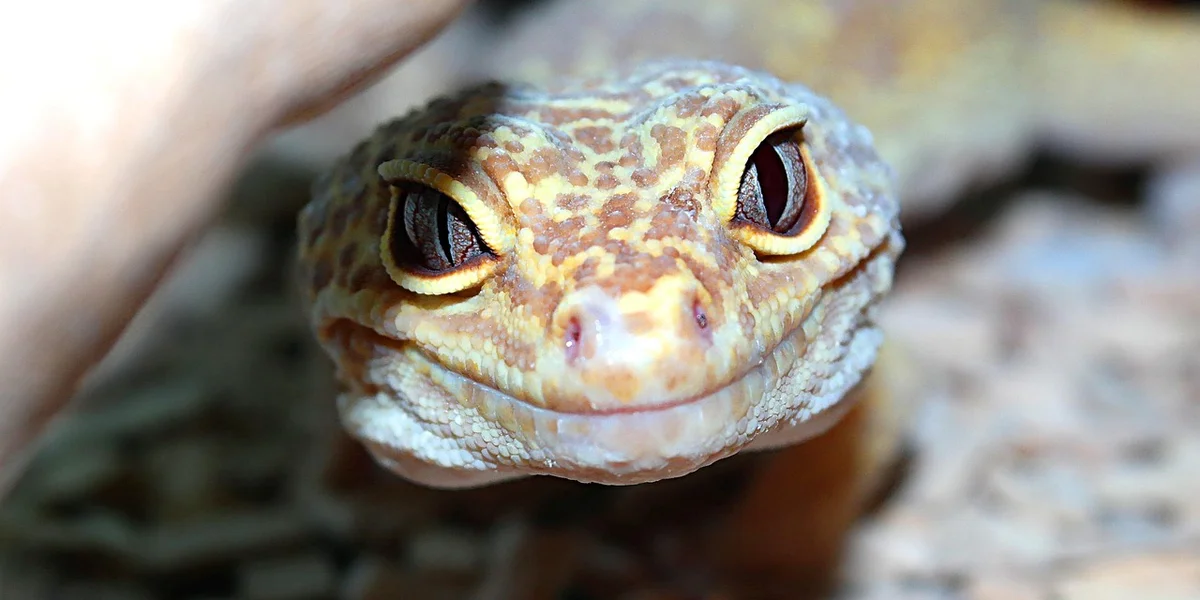
No matter where you shop, your eyes are your best tool. A thorough, up-close inspection can prevent heartache and vet bills later. I always do this “gecko check-up” before any purchase, and you should too.
Physical Health Markers
Look for a gecko that appears plump, clean, and alert. Run through this checklist like a detective looking for clues of a well-cared-for life. Know what signs to look for.
- Eyes: They should be clear, bright, and not sunken or bulging. No stuck shed.
- Body & Tail: A fat, plump tail is the gecko’s energy bank. The body should be rounded, not bony.
- Skin: Look for smooth, vibrant skin free of cuts, scratches, or dark patches that could signal a burn.
- Nose & Vent: Both should be clean with no bubbles or residue, which can indicate a respiratory infection.
- Limbs & Toes: All toes should be present and straight. Check for any leftover shed constricting the toes.
Behavioral Clues of Well-Being
A healthy gecko is a curious gecko. Lethargy is one of the biggest red flags you can spot in a potential new pet. My gecko Griffey was instantly alert and checking me out, a great sign.
Here is what normal, healthy behavior looks like versus potential problems.
- Good Signs: Alertness when approached, a strong interest in food (ask to see it eat!), coordinated movement, and occasional exploration.
- Red Flags: Remaining still when handled (tonic immobility, or “playing dead”), lethargy, labored breathing, refusing food, or constantly hiding.
Questions to Ask Before You Buy a Leopard Gecko
Walking into a purchase without the right information is like buying a car without checking under the hood. You need a solid list of questions to separate the exceptional breeders from the questionable sources. This protects both your wallet and the wellbeing of your future pet.
Inquiring About the Gecko’s Background
Think of this as the gecko’s resume. You want to know its full life story. Based on my experience raising Griffey, his history told me everything about his future needs.
- What is the exact hatch date? This tells you the gecko’s true age.
- How was the sex determined, and by whom? An experienced breeder is more reliable.
- What is the specific morph and its genetic lineage? Some morphs carry hidden health risks.
- Has the gecko ever been treated for parasites or other illnesses?
- What is its current feeding schedule and what has it been eating?
A reputable seller will have this information readily available and be happy to share it. Hesitation is a major red flag.
Evaluating the Seller’s Practices
This is where you vet the breeder or store. Their practices directly reflect on the health of the animal you are taking home.
- How many clutches do your females produce per year? (More than two can be exploitative).
- Do you offer a health guarantee? What does it cover and for how long?
- Can I see the parent geckos or the conditions they are kept in?
- What kind of post-purchase support do you offer if I have questions?
A truly ethical breeder prioritizes animal welfare over profit and will be a resource for you long after the sale. I always look for breeders who seem as passionate about education as they are about breeding.
Leopard Gecko Costs: Budgeting for Purchase and Care
Many new owners are shocked by the real cost of gecko ownership. The initial purchase price is just the entrance fee to a long-term financial commitment. Beyond the upfront price, plan for initial setup costs like enclosure, lighting, heat, substrate, and decor. Then budget for ongoing monthly expenses such as electricity, food, and supplements. Planning ahead prevents stressful surprises down the road.
Initial Purchase Price Factors
The price tag on a leopard gecko can swing wildly. It’s not random; it’s based on three key factors.
- Morph Rarity: A common ‘Normal’ or ‘High Yellow’ like my Griffey can cost $40-$80. Fancy morphs like ‘Tangerine’ or ‘Hypo’ range from $100-$300. Ultra-rare morphs like ‘Black Night’ can soar over $2,000.
- Age: Hatchlings are usually cheaper. Proven breeding adults cost more.
- Seller Type: Big-box pet stores are often cheapest but come with health risks. Specialized reptile stores and dedicated breeders charge more for healthier, well-started geckos.
Never choose a gecko based on price alone; a cheap gecko can lead to massive vet bills later.
Ongoing Care Expenses
This is the part most people forget. Your gecko needs a well-stocked home and a consistent supply of quality nutrition. For a complete gargoyle gecko diet feeding guide, check out our step-by-step feeding plan. It covers daily portions, supplements, and how to offer variety to keep your gecko healthy.
- Enclosure Setup: A proper 20-gallon long tank, under-tank heater, thermostat, hides, and décor will be a $200-$300 initial investment.
- Lighting & Supplements: While they don’t always need intense UVB, low-output UVB lighting is a great welfare practice. You must budget for calcium powder (with and without D3) and a multivitamin. This is non-negotiable for preventing metabolic bone disease.
- Food: A steady supply of live insects like crickets, dubia roaches, and mealworms is a recurring cost. I spend about $20 a month to keep my crew well-fed.
Setting up a proper habitat and maintaining a supply of supplements and food is easily a greater financial investment than the gecko itself. Please budget for the whole package, not just the pet. Check out what are the hidden costs of owning a gecko to make sure you’re fully prepared.
Preparing for Your New Leopard Gecko’s Homecoming
Bringing your new gecko home is an exciting day, but a little prep work makes all the difference. I always have the entire habitat running perfectly for at least 48 hours before any gecko moves in. This ensures temperatures are stable and gives you time to fix any issues. To set your gecko up for a safe, thriving life, avoid these 10 common habitat setup mistakes. Being aware of these pitfalls helps you prepare with confidence.
Essential Enclosure Setup
Your leopard gecko’s tank is its entire world. Getting it right from day one prevents a mountain of health problems later. Here is my personal checklist, refined after years of keeping geckos like my high-yellow, Griffey.
- Tank Size: A 20-gallon long tank is the perfect starter size for one adult. It provides enough floor space for exploration.
- Heating: You need an under-tank heater on one side. This creates a thermal gradient. The warm side should be 88-92°F, and the cool side around 75°F. Never use heat rocks!
- Humidity Control: Keep a digital hygrometer in the tank. Aim for 30-40% humidity. A small humid hide filled with damp sphagnum moss is non-negotiable for clean sheds.
- Hides: Provide at least three hides: one on the warm end, one on the cool end, and that humid hide in the middle. They need options to feel secure.
- Substrate: Skip the loose sand. I use simple paper towel for new geckos. It’s safe, cheap, and lets you monitor their health easily. Tile or a reptile carpet are other great options.
Quarantine and Acclimation Process
Even a gecko that looks healthy can carry hidden parasites or illness. A strict quarantine is the single best thing you can do to protect your existing pets and your new one. I learned this the hard way early on.
Follow these steps for a stress-free transition:
- Set up the quarantine enclosure in a separate room, if possible. Use simple, easy-to-clean decor.
- Leave your new gecko completely alone for the first week. No handling. Just change water and offer food.
- Monitor its behavior and appetite closely. Healthy signs include exploring at night and eating regularly.
- After the first week, you can begin to offer food from your hand to build trust.
- Keep this quarantine period for at least 30-45 days before considering introducing it to other reptiles.
Online vs. Local Buying: Making the Right Choice
This is the big question for most new owners. Both paths have major pros and cons. Your choice often comes down to a trade-off between variety and peace of mind. I’ve bought geckos both ways, and each experience was vastly different.
Tips for Buying Leopard Geckos Online
Online marketplaces and breeder websites offer an incredible array of morphs you’ll never see in a local pet shop. The key to success here is relentless research on the seller, not just falling in love with a picture.
- Search for the breeder’s name on reptile forums and review sites. Look for a long history of positive feedback.
- Ask for recent photos and a video of the exact gecko you’re buying. A good breeder will happily provide them.
- Read the shipping policy carefully. Reputable sellers will not ship in extreme temperatures and offer live arrival guarantees.
- Be wary of prices that seem too good to be true. It often means the animal is sick, or the seller is a scammer.
Advantages of Local Pickup
Nothing beats seeing your potential pet in person before you commit. Local pickup lets you assess the gecko’s health, personality, and living conditions firsthand. This is how I found my calm and confident crested gecko, Jeter.
- You can inspect the gecko for clear eyes, a fat tail, and alertness. You avoid the risk of shipping stress.
- You bring your gecko home immediately, without worrying about it being in a box for days.
- You can build a relationship with a local breeder. They become a valuable resource for advice and support.
- Reptile expos are a fantastic middle ground, offering the variety of online with the in-person advantage.
FAQs
Where can I find a healthy leopard gecko for sale in Pakistan?
Search for reputable breeders on local reptile forums or at specialized pet stores in major cities like Karachi or Lahore to ensure the gecko is healthy and well-cared for. You can also consider adopting one from reputable sources.
Are there reliable leopard gecko breeders in the Dominican Republic?
Check with veterinary clinics or exotic pet groups in the Dominican Republic for recommendations on trusted breeders who prioritize animal welfare and health.
What should I do if my leopard gecko suffers a burn?
Immediately isolate the gecko from the heat source, keep the area clean, and consult a reptile veterinarian for appropriate treatment to prevent infection.
What type of bulb is best for a leopard gecko enclosure?
Use a low-wattage ceramic heat emitter or an under-tank heater with a thermostat, as leopard geckos require belly heat for digestion rather than intense overhead lighting.
Is burrowing normal behavior for leopard geckos?
Yes, burrowing is a natural instinct for thermoregulation and security, so provide a substrate like paper towel or tile to allow this behavior safely.
Your Path to a Happy Gecko Starts Here
Ultimately, your best bet for a healthy leopard gecko is a dedicated breeder or a specialized reptile rescue. These sources give you the crucial advantage of knowing your gecko’s full history and health background. Always prioritize a gecko that is alert, has bright eyes, and a well-fed body over one that is simply cheap or convenient from a big-box store. Next, focus on the essential leopard gecko care supplies setup to keep your gecko thriving. These essentials include a secure enclosure, reliable heating with a thermostat, appropriate substrate, hides, a shallow water dish, and feeding tools.
Bringing your gecko home is just the first step in a wonderful journey. Commit to being a lifelong learner about their habitat, diet, and behavior to ensure you provide a truly thriving life. That includes gecko habitat husbandry: setting up heat, light, humidity, and a safe enclosure. Mastering enclosure design and routine maintenance helps your gecko thrive. Your dedication to their welfare will be repaid tenfold with years of unique companionship.
Further Reading & Sources
- 2,700+ Leopard Geckos For Sale | MorphMarket
- Leopard Geckos for Sale | Reptiles for Sale
- Leopard Geckos For Sale – Underground Reptiles
The Gecko Guide is your ultimate resource for gecko enthusiasts, providing expert advice and practical tips to ensure the health and happiness of your scaly companions. Alexander is a passionate gecko owner with over a decade of experience in reptile care. We are dedicated to offering accurate, up-to-date information to support your gecko journey.Our mission is to foster a community of responsible gecko owners who are passionate about the well-being of these fascinating creatures.
Gecko Selection & Acquisition