
How to Rehome a Gecko Responsibly
Published on: April 21, 2026 | Last Updated: April 21, 2026
Written By: Alexander 'Gecko Geek' Johnson
Deciding to rehome your gecko is a difficult and often emotional choice, and it’s completely normal to worry about finding them a safe and loving new home.
I’ve been through this process myself and I’m here to help you navigate it with confidence. We will walk through the key steps to ensure your gecko’s welfare is the top priority.
You will learn how to:
- Find a qualified and prepared new owner.
- Prepare your gecko and its habitat for a smooth transition.
- Handle the emotional side of saying goodbye.
By the end of this guide, you will have a clear, step-by-step plan. The article covers: finding a new home, vetting potential owners, preparing the enclosure, the handover process, and coping with the transition.
Is Rehoming the Right Choice for Your Gecko?
Common Reasons Geckos Need New Homes
Life throws curveballs, and sometimes our best-laid plans for our pets change. From my own experience talking with countless owners, the decision to rehome usually stems from a few common, and often heartbreaking, situations.
- Major Life Changes: A cross-country move, a new baby, or a sudden change in work schedule can make consistent care impossible.
- Financial Hardship: The cost of vet bills, specialized lighting, and a steady supply of insects can become overwhelming.
- Unexpected Allergies: A family member develops a reaction to the gecko itself or, more commonly, the feeder insects like crickets.
- Lack of Time or Waning Interest: This is a tough one to admit, but it’s better to be honest. A gecko like my Jeter, who is calm and low-maintenance, still deserves an engaged owner.
- Behavioral Issues: An owner might feel unprepared for a gecko that is consistently aggressive, like my A-Rod can be, making handling stressful for everyone.
When to Explore Other Options First
Rehoming is a permanent solution, so it’s wise to rule out temporary fixes first. I always encourage owners to see if a simple adjustment can solve the problem before starting the rehoming process.
- Husbandry Problems: Is your gecko acting out or hiding constantly? The issue might be incorrect temperature, humidity, or lack of hiding spots, not the gecko itself.
- Financial Pinch: Before giving up your pet, look into local pet food banks or see if a trusted friend can temporarily foster them.
- Boredom or Fear: Many geckos, especially young ones like Mookie, just need time and gentle, consistent interaction to become comfortable with you.
- Perceived “Neediness”: Geckos are solitary creatures! If you’re worried you aren’t giving enough attention, rest easy. They are perfectly content with proper food, water, and a clean home.
Preparing Your Gecko for a Successful Rehoming
Schedule a Vet Health Check and Quarantine
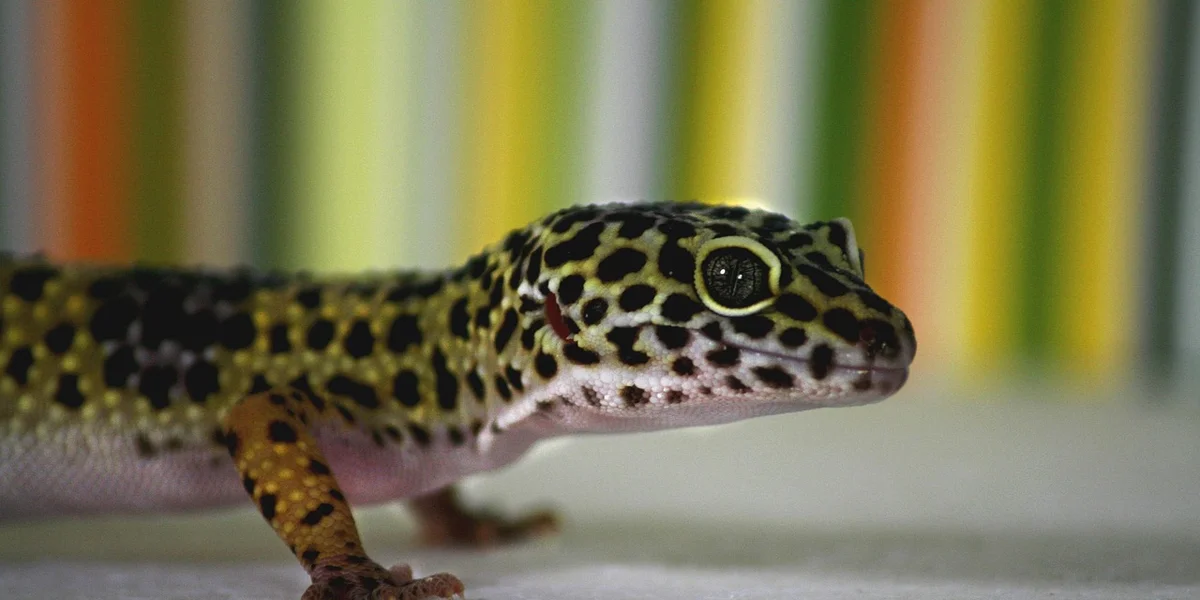
This is the single most important step you can take for your gecko’s welfare. A clean bill of health from a reptile vet is like a golden ticket to a new, responsible home. It proves you are a conscientious owner. I made sure every one of my geckos had a check-up before they came to me. After the vet visit, keep your gecko in its own, clean enclosure. This prevents any stress or potential spread of illness and shows the new owner a healthy, settled animal. Preventing common gecko illnesses starts with the habitat: a clean, well-ventilated enclosure, appropriate humidity, and stable temperatures. A proper setup minimizes stress and reduces disease risk as your gecko settles in.
Deep Clean the Enclosure and Gather Supplies
First impressions matter, even for geckos. A sparkling clean tank and a complete set of supplies tells the new owner you are serious about your pet’s wellbeing. It also gives the gecko a fresh, stress-free start.
- Empty the entire enclosure and scrub all surfaces with a reptile-safe disinfectant.
- Bake any wood or rock décor in the oven at 250°F for 30 minutes to kill pests.
- Gather everything: the tank, lid, lighting, thermostat, thermostat probes, hides, food and water dishes, a bag of substrate, and even some leftover feeder insects if you can.
Document Your Gecko’s Care Routine
You are the expert on your gecko. Creating a simple “care sheet” bridges the knowledge gap and prevents the new owner from making guesswork mistakes. I did this for my Babe, detailing his exact routine, and his new owner was incredibly grateful after avoiding common errors in gecko care.
- Feeding Schedule: What they eat, how much, and how often.
- Temperature & Humidity: Specific basking spot, cool side, and night-time temperatures.
- Handling Preferences: Is your gecko a social butterfly like Griffey, or do they prefer limited interaction like A-Rod?
- Quirks and Behaviors: Note anything unique. For example, “Mookie gets the zoomies at 8 PM” or “Jeter prefers to drink water droplets from leaves.”
Finding a Safe and Responsible New Home
Local Reptile Rescues and Shelters
Your first and often best option is a dedicated reptile rescue. These organizations are staffed by people who live and breathe reptile welfare. I’ve worked with a few when taking in surrendered geckos, and their commitment is incredible. They have the knowledge and resources to provide proper vet care and will screen adopters with a fine-tooth comb. Search for “[Your City] Reptile Rescue” to find these specialized sanctuaries; they are a true safety net for our scaled friends.
Adoption Listings and Online Platforms
If you decide to manage the rehoming yourself, you need to pick your platforms wisely. General sites like Craigslist can be risky, attracting unprepared or flippant buyers. I strongly prefer niche, community-focused platforms where people are genuinely invested. Here are your best bets:
- FaunaClassifieds: A long-standing, reputable forum with a dedicated “Geckos” section.
- MorphMarket: While known for breeders, their “Classifieds” section allows for rehoming listings.
- Local Facebook Groups: Search for “[Your State] Reptile Enthusiasts” or similar. You can often vet a person’s profile and see if they’re part of the community.
Always include a small rehoming fee; this simple step filters out people looking for free feeder food or an impulse buy.
How to Screen Potential Adopters Thoroughly
This is the most critical step. I treat these conversations like a job interview for my gecko’s future. You are their advocate. Don’t be shy about asking detailed questions. A good adopter will be happy to answer them. Here is my personal screening checklist:
- Ask About Their Setup: “Can you tell me about your terrarium? What are the dimensions, and what type of heating and thermostat are you using?” Listen for specifics, not vague answers.
- Inquire About Experience: “Have you cared for this species before? What other reptiles do you have?” Experience isn’t always mandatory, but honesty and a willingness to learn are.
- Request Photos: Ask for a picture of their current setup, empty and ready for your gecko. This proves they are prepared and not just winging it.
- Gauge Their Knowledge: Ask a care-based question like, “What do you know about supplementing with calcium?” Their answer reveals their research level.
Trust your gut-if something feels off or they resist your questions, walk away. There is no shame in saying “no” to protect your pet.
Legal and Health Considerations in Gecko Rehoming
Understanding Local Reptile Ownership Laws
This is the boring but absolutely vital homework. Reptile laws are a crazy patchwork that can vary by state, county, and even city. I once almost rehomed a gecko to someone in a neighboring county where that species was prohibited! A quick call to your local animal control or a search for “[Your County] exotic pet ordinance” can save you and the adopter from major legal headaches. Some places require permits, others ban certain species outright. Know the rules.
Essential Paperwork and Transfer Documents
Protect yourself and your gecko with a paper trail. It feels very official, but it sets clear expectations and provides legal proof of transfer. I create a simple document for every gecko I rehome. You should include: If you ever need to ship a gecko, this paper trail also helps with carrier requirements and interstate compliance. For a complete guide on shipping geckos safely and legally in the US, check out our comprehensive resource.
- Bill of Sale/Adoption Agreement: State the date, gecko’s species, any known morph, and the rehoming fee.
- Care Sheet: Provide a detailed sheet covering their diet, heating, humidity, and handling needs.
- Health History: Note any past illnesses, vet visits, or ongoing conditions. Be completely transparent.
- A Liability Clause: A simple sentence stating that ownership and all responsibility for the animal’s care transfers to the new owner upon signing.
Have both parties sign and date it. Keeping a copy of this transfer document is your final, responsible act as their guardian, ensuring a clean and accountable handover.
Alternatives to Permanent Rehoming
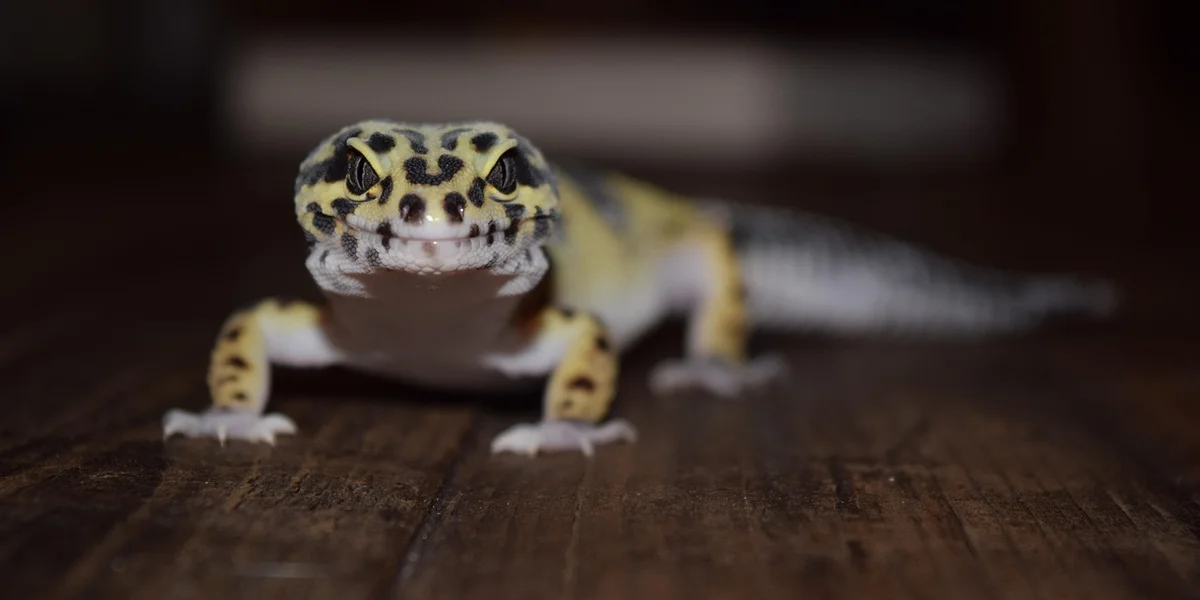
Before you make the permanent decision to say goodbye, know that there are other paths. Rehoming should be a last resort, and exploring these options first can give you and your gecko the breathing room you need. If you’re bringing home a rescue gecko, the first 30 days are crucial for rehabilitation and acclimation. This period sets the foundation for its health and behavior, and guides the steps in a practical rescue gecko rehab plan.
Temporary Boarding or Pet-Sitting Options
Life throws curveballs-a sudden move, a family emergency, a major home renovation. I’ve been there. When my kitchen was being remodeled, the dust and chaos were no place for my geckos.
A temporary setup elsewhere was the perfect solution. Here are your best bets for short-term care:
- Trusted Friends or Family: This is your first and often best option. Choose someone who is calm, follows instructions meticulously, and isn’t squeamish about insects.
- Professional Pet Sitters: Look for sitters who specifically list experience with reptiles. They understand thermostats, humidity, and the quiet nature of these pets.
- Veterinary Clinics: Some exotic vet offices offer boarding services. This is a fantastic choice if your gecko has special medical needs.
- Local Reptile Stores: Many independent pet stores that specialize in reptiles will board animals for trusted customers.
Prepare a detailed care sheet covering feeding, lighting, and handling preferences. This care sheet focuses on the Mediterranean house gecko care sheet, highlighting species-specific needs. By aligning feeding, lighting, and handling with those needs, you support a healthy, less-stressed reptile. A well-prepared temporary home keeps your gecko’s stress levels low and makes reuniting much smoother.
Seeking Help from Reptile Communities
You are not alone. The reptile community is vast, knowledgeable, and often incredibly generous. I’ve seen folks lend out entire spare enclosures to help someone in a pinch.
- Local Reptile Clubs or Societies: These groups are goldmines. Members often have spare tanks, extra supplies, and a wealth of hands-on knowledge.
- Online Forums and Facebook Groups: Platforms like Reddit or specific gecko groups are full of experienced keepers. Post your situation-you might find someone locally who can offer advice, temporary foster care, or even just moral support.
- Rescue Networks: Many reptile rescues operate through foster homes. They might be able to connect you with a temporary foster situation without you having to formally surrender your pet.
Tapping into this network can provide solutions you never knew existed, from shared care arrangements to simply getting the emotional backup you need.
Managing Your Emotions After Rehoming
If you do rehome, it’s completely normal to feel a mix of grief, guilt, and relief. I felt a profound sadness when I had to rehome a gecko years ago, but focusing on his well-being helped me heal.
Your feelings are valid, and acknowledging them is the first step toward finding peace with your decision.
Staying Connected Through Updates
One of the most powerful ways to ease the heartache is to arrange for updates from the new owner. This isn’t about micromanaging; it’s about reassurance.
- Ask the new owner if they’d be willing to send a photo or short video every few months.
- Some owners are happy to become “Gecko Aunts or Uncles” and will keep you in the loop.
- Seeing your former pet thriving in its new, loving home can transform your guilt into pride for making a tough, selfless choice.
Watching your gecko live a happy life elsewhere is the ultimate confirmation that you made the right decision. To tell if your leopard gecko is happy and content, watch for a calm posture and a good appetite. Bright eyes, smooth shedding, and regular activity are also good signs.
Finding Support in Reptile Enthusiast Groups
Do not grieve in isolation. The same communities that offered practical help can now offer emotional support.
- Share your story in a trusted online group. You will be amazed how many people have been through the exact same thing.
- Hearing “I’ve been there, and your gecko is going to be okay” from a fellow keeper is incredibly comforting.
- Stay engaged. Helping others with their gecko care questions can be a therapeutic way to channel your love and knowledge.
Your experience, even this difficult one, makes you a valuable member of the community who can now guide others.
FAQs
How much should I charge as a rehoming fee for my gecko?
A small rehoming fee of $20 to $50 is generally recommended to deter impulse buyers and ensure the adopter is financially committed.
Is it better to use a reptile rescue or find a private adopter for rehoming?
Reptile rescues offer expert screening and care, making them a safer choice, while private rehoming can be quicker if you conduct thorough vetting yourself. If you’re seeking ongoing care for your gecko, look for a vet-qualified reptile sitter. They can monitor health and ensure proper husbandry while you’re away.
How long does the rehoming process typically take from start to finish?
The process can range from a few days to several weeks, depending on factors like your location and the effort put into finding a qualified adopter.
What should I do if my gecko has special needs or health issues?
Disclose all details upfront and seek out experienced keepers or specialized rescues who can provide the required ongoing care and attention.
Can I include a trial period or take-back clause in the adoption agreement?
Yes, you can discuss and document a short trial period or return policy in the transfer paperwork to ensure the gecko’s welfare is protected.
Final Words
Rehoming your gecko is a process built on patience, transparency, and putting your pet’s welfare first. Finding a knowledgeable, prepared new home and providing them with a complete care package ensures your gecko thrives in its next chapter. From my own experience, taking these careful steps is what separates a stressful move from a successful, compassionate transition. If you must rehoming your gecko, do so through a reputable rescue or licensed program to ensure it finds a safe, well-matched home. Surrendering responsibly protects your pet and its ongoing welfare.
This experience is a powerful reminder of our commitment as pet guardians. Let it inspire you to always seek out the most current, science-backed care information, whether the gecko is in your hands or you’re helping it find new ones. A juvenile-to-adult transition guide for crested geckos can help you tailor care to this life stage. It covers housing, diet changes, and enrichment as they mature. Responsible pet ownership is a journey of continuous learning, and every choice we make matters.
Further Reading & Sources
- Reptile Rescue
- Geckos for Adoption – Search & Adopt a Gecko
- Available for Adoption – The Lizard Lighthouse
The Gecko Guide is your ultimate resource for gecko enthusiasts, providing expert advice and practical tips to ensure the health and happiness of your scaly companions. Alexander is a passionate gecko owner with over a decade of experience in reptile care. We are dedicated to offering accurate, up-to-date information to support your gecko journey.Our mission is to foster a community of responsible gecko owners who are passionate about the well-being of these fascinating creatures.
Gecko Care Guides