
How to Safely Handle Sick or Injured Geckos
Published on: May 1, 2026 | Last Updated: May 1, 2026
Written By: Alexander 'Gecko Geek' Johnson
Discovering your gecko is sick or hurt can spike your heart rate and leave you feeling helpless, but a calm, informed approach makes all the difference.
I’ve been there with my own crew-like when Jeter took a clumsy fall-and I’ll guide you through the essential steps to keep your gecko safe and reduce stress for both of you.
In this section, we’ll cover three key takeaways to build your confidence:
- How to quickly assess your gecko’s condition without causing more harm.
- Safe handling methods that protect you and your pet from further injury.
- When it’s critical to rush to a vet versus what you can manage at home.
You’ll walk away with straightforward, actionable advice you can trust. Topics covered: recognizing distress signs, gentle restraint techniques, first-aid basics, vet visit prep, recovery monitoring
Spotting the Signs: When Your Gecko Needs Help
Common Symptoms of Illness in Geckos
Sick geckos are masters of disguise. In the wild, showing weakness makes them a target. Your job is to become a detective, noticing the small clues they try so hard to hide. I’ve learned this the hard way with my own crew, and catching things early always leads to a better outcome.
Behavioral Changes to Watch For
A change in routine is often the very first red flag. Don’t ignore it.
- Lethargy and Hiding: If your normally active gecko, like my Mookie, suddenly stops climbing and stays hidden all day, it’s a major sign something is wrong.
- Loss of Appetite: Missing one meal isn’t a crisis. Refusing favorite foods for more than two or three days is a clear signal for help.
- Unusual Aggression or Fear: A typically calm gecko, like Jeter, becoming skittish or trying to bite when handled is communicating pain or stress.
- Stargazing: This looks odd-the gecko holds its head straight up, staring at the sky. It’s not curiosity; it’s a neurological symptom that needs immediate vet attention.
Physical Signs of Distress or Injury
Look your gecko over regularly. Your eyes are your best tool.
- Weight Loss: A thin tail or visible hip bones means your gecko is using its fat reserves. This is a serious situation.
- Stuck Shed: Any leftover shed, especially on toes or the tip of the tail, can act like a tourniquet and cause the loss of that body part.
- Swelling or Lumps: Swollen joints, a bloated belly, or any unusual bumps can indicate infection, impaction, or metabolic bone disease.
- Discharge or Stuck Food: Bubbles or mucus around the nose and mouth, or undigested food, point to a respiratory infection or gut problem.
- Difficulty Moving: Dragging limbs, tremors, or an inability to walk properly are urgent signs.
How to Perform a Basic Health Check
I do a quick weekly check on all my geckos during tank cleaning. This simple routine takes two minutes but can literally save your pet’s life. Follow these steps for a stress-free exam.
- Wash your hands thoroughly with unscented soap.
- Gently coax your gecko into a clear plastic container or onto your open hand in their enclosure.
- Look at their eyes. They should be bright, clear, and free of crusty material.
- Check their nose and mouth for any discharge or leftover food particles.
- Examine their skin for cuts, scrapes, or any patches of stuck shed. Pay special attention to the toes and tail tip.
- Feel the base of the tail. It should be plump and firm, not bony or squishy.
- Watch them walk for a few steps to ensure their movement is smooth and coordinated.
Essential Safety and Hygiene for Handling
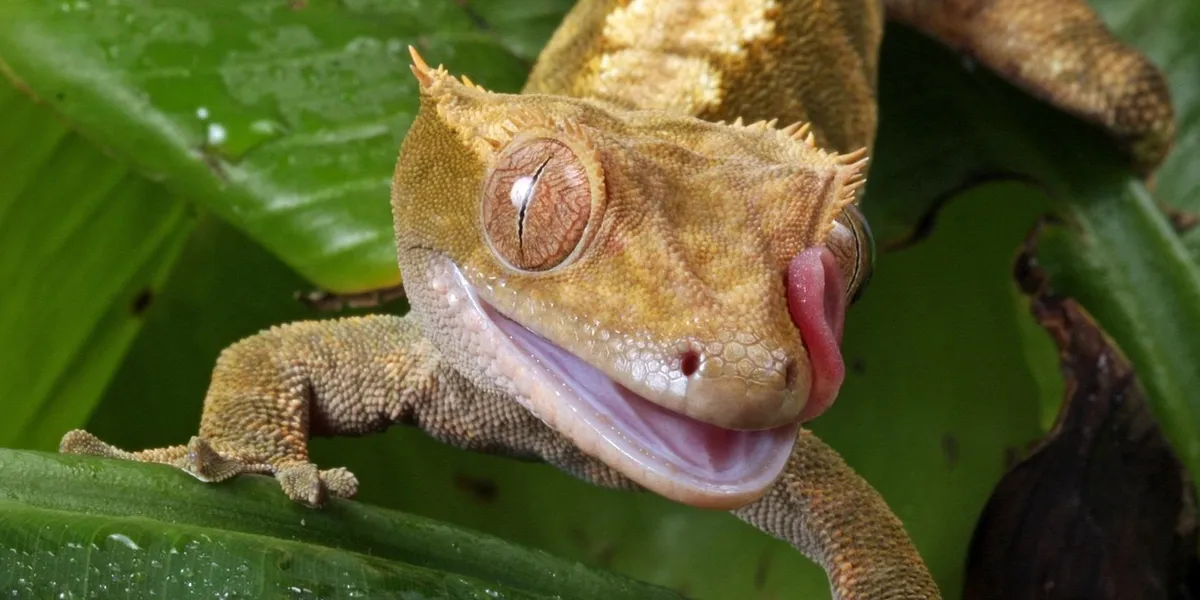
Why Handwashing and Gloves Matter
This isn’t just about keeping you clean; it’s about protecting your vulnerable gecko. A sick gecko has a compromised immune system, making them a magnet for every germ you carry. I use nitrile gloves every single time I handle one of my sick pets.
- You prevent transferring bacteria or fungi from your hands to their delicate skin.
- You protect yourself from potential zoonotic diseases, like Salmonella, which reptiles can carry.
- Gloves can also reduce your scent, which helps keep a stressed gecko calmer during handling.
Setting Up a Calm, Low-Stress Environment
Handling is scary for a sick animal. Your goal is to make it as brief and peaceful as possible.
- Choose a Small, Enclosed Space: I handle my sick geckos in a small, empty plastic tub with a towel on the bottom. This prevents falls and limits frantic escapes.
- Turn Down the Lights: Bright light is stressful. Use dim lighting or work in a softly lit room.
- Minimize Noise: Turn off loud music or the television. Speak in a soft, calm voice if you need to speak at all.
- Have Everything Ready: Before you even touch your gecko, get your supplies ready-medication, saline rinse, paper towels. This cuts handling time down significantly.
A calm environment isn’t a luxury for a sick gecko; it’s a critical part of their recovery process. Less stress means their body can focus its energy on healing. Easy, effective techniques and environmental fixes—like stable temperatures, appropriate humidity, quiet spaces, and safe hiding spots—can help maintain that calm. Gentle handling and regular, unobtrusive monitoring support steady recovery.
Step-by-Step Guide to Gentle Gecko Handling
Approaching Your Gecko with Minimal Stress
Move slowly and deliberately, avoiding any sudden motions that could startle your gecko. I always approach from the side, never from above where I might look like a predator. Speak in a soft, calm voice to let them know you’re there before you even get close. If your gecko is in a hide, gently tap the side of the enclosure first, then slowly remove the hide rather than reaching in blindly.
Watch their body language closely. A stressed gecko might puff up, hiss, or try to bolt. My crested gecko, Jeter, will sometimes raise his head when he’s feeling calm and accepting. If you see clear signs of fear, it’s often better to pause and try again in a few minutes rather than force an interaction.
Proper Support and Soft Grip Techniques
The goal is to make your gecko feel secure, not restrained. Always use two hands. Slide one hand under their chest and front legs, using your other hand to support their hindquarters and tail. Let them walk from one hand to the other rather than gripping them tightly. These safe-handling practices are part of a gecko health safety guide. Safe touch helps protect both your gecko and you. Their delicate ribs can be easily injured by pressure.
I’ve found that making a soft “platform” with your fingers is far less stressful than a “cage” grip. For smaller species like my leopard gecko, Griffey, I sometimes just let him sit calmly on my open palm. A properly supported gecko will feel less likely to jump, which is the primary cause of falls and further injury.
Using Towels or Carriers for Secure Transport
For a trip to the vet, a simple small critter carrier or a well-ventilated plastic container is essential. Line the bottom with a soft, clean paper towel for traction and to absorb any waste. Never use a loose substrate like mulch or sand for transport, as it can get into wounds.
If your gecko is particularly stressed or painful, a small hand towel can be a lifesaver. I gently place the towel over my gecko, then scoop them up, towel and all. The darkness and gentle pressure from the towel has a remarkable calming effect, much like swaddling a baby. Just ensure their nose is clear so they can breathe easily. Note that proper handling varies by species; some geckos tolerate gentle scooping, others prefer minimal contact.
First Aid for Common Gecko Injuries
How to Administer Basic First Aid
Your first-aid kit should be ready before you ever need it. Mine contains sterile saline, betadine solution, plain Neosporin (NO pain relief), Q-tips, and gauze pads. Wash your hands thoroughly and put on disposable gloves before treating any injury to prevent infection.
Caring for Minor Wounds or Abrasions
For small scrapes or cuts, the key is gentle cleaning. I use a Q-tip dipped in a diluted betadine solution (it should look like weak tea) to carefully clean the area. After cleaning, a tiny dab of plain Neosporin can help prevent infection and keep the wound moist. Repeat this process once daily until a scab forms.
Monitor the wound closely. Redness, swelling, or pus means it’s time for the vet. For my gecko A-Rod’s tail rub, this simple cleaning routine was all he needed to heal perfectly.
Handling Suspected Broken Bones
This is a true emergency. If you suspect a broken leg or tail, do not try to splint it yourself. Your immediate goal is to immobilize the gecko, not the limb, to prevent further damage. Gently place them in a small, bare transport container with a paper towel substrate.
Remove all climbing branches and high hides from their hospital tank to minimize movement. I learned the hard way that a gecko with a leg injury will still try to climb, so a simple, flat setup is non-negotiable. Set up a dedicated hospital tank with a flat, low-stress layout and stable temperatures. Maintain humidity and cleanliness to support recovery. Get them to an exotic vet as soon as possible.
When to Quarantine an Injured Gecko
Quarantine isn’t just for contagious illness. Any injured gecko should be housed separately from its tank mates. Other geckos may see the injured one as weak and become aggressive, or they might accidentally bump the injury during normal activity. To protect it and the rest, set up a quarantine tank for your new leopard gecko. This simple, separate enclosure should have appropriate heat and hides before any introductions.
Set up a simple quarantine tank with a single hide, a shallow water dish, and paper towel substrate. This sterile environment is easier for you to keep clean and prevents substrate from getting into the wound, which dramatically speeds up healing. I always keep a spare 10-gallon tank on hand for exactly this purpose.
Knowing When to Seek Emergency Veterinary Care
One of the hardest parts of gecko ownership is recognizing when a quirky behavior crosses the line into a medical crisis. Trust your gut – if something feels off, it usually is, and waiting can turn a treatable issue into a tragedy. Understanding what counts as normal gecko behavior helps you tell the difference between ordinary quirks and signs that merit care. If you’re uncertain, note any changes and consult a reptile veterinarian.
Red Flags That Require Immediate Vet Attention
Some symptoms are non-negotiable emergencies. If you see any of the following, your gecko needs a vet, not a wait-and-see approach. Knowing which signs mean your gecko needs to see a vet immediately can help you act quickly. Here are the most urgent red flags to watch for.
- Labored Breathing: Open-mouth breathing, wheezing, or puffing of the throat when not stressed. This is a top-priority sign of a respiratory infection.
- Prolapsed Tissue: Any red or pink tissue coming from the vent or mouth is a severe emergency that can become necrotic quickly.
- Seizures or Stargazing: A gecko that is twitching, rolling, or holding its head straight up at a weird angle needs immediate intervention.
- Traumatic Injury: Obvious wounds, bleeding, or a fall from a significant height require professional assessment for internal damage.
- Sudden Paralysis or Inability to Move Legs: This could indicate a spinal injury or other critical neurological issue.
- Stuck Shed on Eyes or Toes: While not always an “ER” visit, leaving this can lead to blindness or toe loss within days. It warrants a prompt vet trip.
How to Communicate Symptoms Effectively to Your Vet
When you call the vet, panicking won’t help your gecko. Being a clear, calm communicator is one of the best things you can do for your pet’s care. Vets appreciate detailed, factual information.
- Note the exact onset: “I first noticed the lethargy two days ago after his last feeding.”
- Describe behavior changes: “He is usually very food-motivated like my gecko Babe, but now he ignores his worms.”
- Be specific about appearance: “His stool is watery and green, not the usual solid brown with a white urate.”
- Mention the environment: “The warm side of his tank is 90°F, and the cool side is 75°F. Humidity stays around 40%.”
- Take clear photos and videos: A short clip of a wobbly walk or a picture of an odd stool is invaluable.
Transporting Your Gecko Safely to the Vet
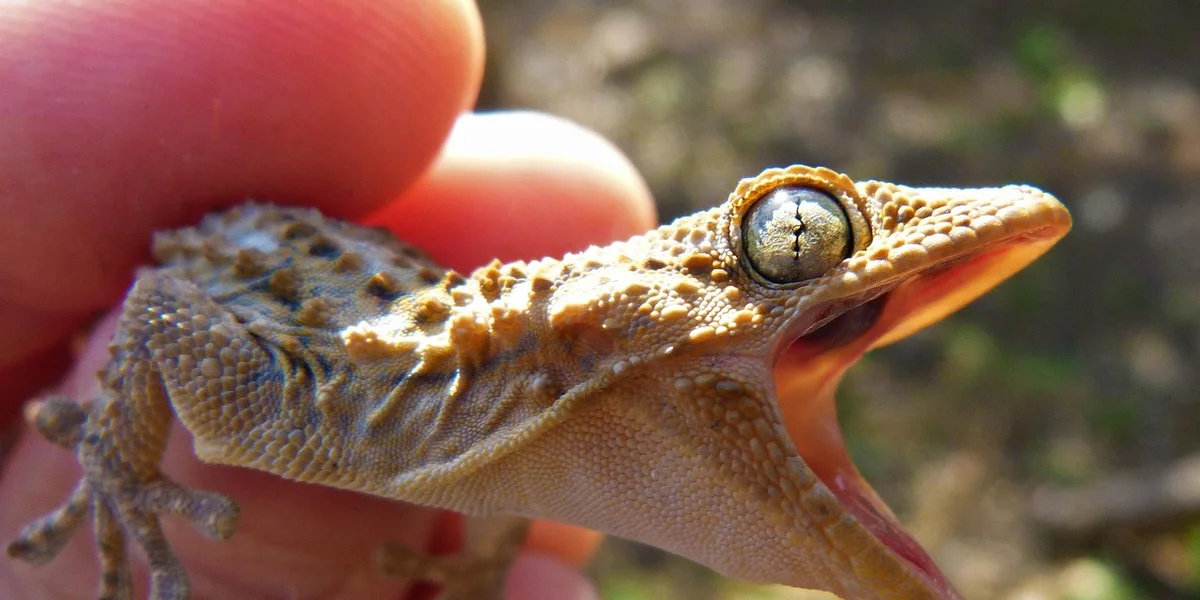
The journey to the clinic can be incredibly stressful for a sick animal. Your goal is to create a safe, dark, and warm little bubble for the trip. I learned this the hard way with my first gecko, and a proper setup makes a world of difference.
Preparing a Travel Enclosure for Minimal Stress
Do not transport your gecko in its large, furnished home tank. It’s dangerous and overwhelming.
- Use a small, secure plastic container with a locking lid.
- Poke ample air holes in the sides, not the lid, to prevent drafts.
- Line the bottom with a soft, disposable paper towel-never loose substrate.
- Include a single, simple hide. A small cardboard box or a plastic hide they are familiar with works perfectly.
- Do not include food or a water dish; these will just spill and create a mess.
Maintaining Proper Temperature During Transport
Geckos cannot regulate their body temperature well, especially when ill. A cold gecko is a gecko whose immune system is shutting down. Keeping them warm is a medical necessity, not a comfort.
- Pre-warm the travel container in the room for 10-15 minutes before putting your gecko inside.
- Use a disposable hand warmer. Wrap it in a towel and place it under or beside (never under) one half of the container to create a warm zone.
- Monitor the temperature. Aim for a gradient inside the container, with the warmest spot not exceeding 85°F (29°C).
- Keep the car warm. Crank up the heat and place the container on the floor, not a cold seat.
- Minimize travel time. Go directly to the vet without extra stops.
Aftercare and Recovery Support
Monitoring Your Gecko Post-Handling
Right after handling, your gecko needs quiet observation to ensure they’re coping well. I always sit near the enclosure for at least 15 minutes, watching for any odd behaviors. Look for steady breathing, normal posture, and whether they return to their favorite hide without hesitation. If they’re panting, hiding excessively, or refusing food later, it’s a red flag.
Track their daily habits in a simple journal. Note things like appetite, activity level, and any vocalizations. When my crestie Jeter was under the weather, I logged his behavior and spotted a pattern that helped my vet diagnose him faster. Consistent monitoring catches small changes before they become big problems.
- Check for alertness: Are their eyes bright and responsive?
- Monitor eating and drinking: Offer favorite foods like gut-loaded insects.
- Observe mobility: Look for limping or reluctance to move.
- Watch for stress signs: Tail dropping, hissing, or color changes.
Adjusting Enclosure Setup for Healing
Creating a healing-friendly habitat reduces stress and speeds recovery. Start by lowering climbing elements-I learned this when Mookie took a tumble and needed a safer space. Swap out high branches for low, stable hides to prevent falls and encourage rest. Use soft substrates like paper towels or reptile carpet instead of rough bedding.
Adjust temperatures slightly warmer on the warm side to support their immune system, but avoid overheating. For humidity-dependent species like crested geckos, maintain consistent levels to aid shedding. A well-set enclosure acts like a gecko hospital room, cozy and secure, helping to prevent common gecko illnesses.
- Reduce height: Place hides and food dishes on the ground.
- Add extra hides: Give options for privacy and security.
- Ensure easy access to water: Use shallow dishes to prevent drowning risks.
- Maintain clean conditions: Spot-clean daily to prevent infections.
The Rehab Process for Injured Geckos
Rehabilitation is a slow dance-patience is your best tool. Begin with complete rest, limiting handling to essential checks only. Gradually reintroduce movement with short, supervised sessions on flat surfaces. I did this with Griffey after a leg strain, letting him explore a padded box for a few minutes daily.
Focus on nutrition to fuel recovery. Offer high-calcium foods and consider supplements if recommended by your vet. Hand-feeding can help if they’re weak-Babe, my day gecko, perked up when I offered waxworms from tweezers. Tailor the diet to their energy needs, boosting protein for tissue repair.
- Week 1: Strict rest with minimal disturbance.
- Week 2-3: Gentle exercises like guided walking on soft terrain.
- Ongoing: Monitor weight and adjust food intake accordingly.
- Vet follow-ups: Schedule check-ins to track progress.
FAQs
How can I safely assist my gecko with shedding if it’s stuck?
Gently mist the gecko with lukewarm water and use a damp Q-tip to carefully roll off the stuck shed, avoiding any force that could injure the skin. For additional guidance, refer to how to safely assist a gecko with stuck shed.
What should I do if my gecko has a prolapse?
Immediately place the gecko in a clean, humid container and seek emergency veterinary care, as prolapsed tissue can quickly become necrotic.
How do I know if my gecko is too cold?
Signs of a cold gecko include lethargy, loss of appetite, and constantly seeking heat sources, so check and adjust the enclosure temperature to ensure it stays within the ideal range. To tell if your leopard gecko is too cold, verify the enclosure temperatures with a thermometer. If readings fall below the recommended range, increase the heat source or adjust the setup.
Final Words
Your primary role is to be a calm, prepared first responder who gets your gecko to a professional. Always prioritize a vet visit over home remedies, handle your pet minimally and with extreme gentleness, and focus your energy on creating a quiet, stress-free recovery enclosure.
Being a proactive and observant owner is the single best way to prevent emergencies and ensure a long, healthy life for your gecko. I encourage you to keep learning, ask questions in our community, and always advocate for the incredible animal in your care.
Further Reading & Sources
- Can humans get geckos sick? – The Environmental Literacy Council
- Salmonella Outbreaks Linked to Geckos | Salmonella Infection | CDC
- Help Teach Me How to Care for a Sick Gecko | Geckos Unlimited
The Gecko Guide is your ultimate resource for gecko enthusiasts, providing expert advice and practical tips to ensure the health and happiness of your scaly companions. Alexander is a passionate gecko owner with over a decade of experience in reptile care. We are dedicated to offering accurate, up-to-date information to support your gecko journey.Our mission is to foster a community of responsible gecko owners who are passionate about the well-being of these fascinating creatures.
Handling & Behavior Signs