
How to Calm a Stressed Gecko: A Practical Guide
Published on: May 7, 2026 | Last Updated: May 7, 2026
Written By: Alexander 'Gecko Geek' Johnson
Is your gecko hiding more than usual, refusing food, or showing unusual colors? Seeing a stressed gecko can be incredibly worrying for any owner. I’ve been there with my own crew, from my high-strung Leopard Gecko Griffey to my territorial African Fat-Tail, A-Rod. The good news is, you can help them feel safe again.
I will help you identify the root cause and provide effective, step-by-step solutions. We’ll cover:
- How to quickly spot the subtle and obvious signs of gecko stress.
- The most common environmental mistakes that cause anxiety.
- Proactive handling techniques to build trust, not fear.
You will get clear, actionable advice you can use right away. This article covers: identifying stress signals, perfecting tank setup, safe handling methods, emergency calming techniques, and long-term wellness habits.
Spotting the Signs of Gecko Stress
Your gecko can’t tell you it’s feeling overwhelmed, so you must become a master observer of its body language and habits. I’ve learned that the most common red flags are often subtle changes in their normal, daily routines. Catching these early makes solving the problem much easier. Sometimes those early changes can signal illness as well. Watch for changes in appetite, activity, or shedding, and seek veterinary advice if they persist.
Behavioral Red Flags
- Excessive Hiding: All geckos hide, but if yours is never visible, even at night when it should be active, that’s a concern. My gecko A-Rod once spent a solid week buried in his moist hide, which was my first clue his environment was off.
- Glass Surfing: This is when your gecko frantically scratches at the glass walls, trying to climb them. It looks like pacing and signals major anxiety or a desire to escape its enclosure.
- Loss of Appetite: A healthy gecko is a hungry gecko. If your pet suddenly stops eating for more than a few days, stress is a very likely culprit.
- Unusual Aggression: A normally docile gecko that starts hissing, biting, or tail-thrashing when you approach is clearly communicating its distress.
Physical Warning Signs
- Darkened Coloration: Many geckos, like cresteds and gargoyles, will turn a much darker, almost black color when severely stressed. This is different from their normal color changes for sleeping or thermoregulation.
- Rapid, Shallow Breathing: Watch their sides. If they are breathing fast and heavily while just sitting still, they are in a state of panic.
- Shedding Problems (Dysecdysis): Chronic stress directly interferes with the shedding process. Stuck shed, especially on the toes and tail tip, is a frequent physical symptom of an unhappy gecko.
Common Causes of Gecko Stress
Once you spot the signs, the next step is playing detective to find the root cause. From my years of keeping everything from leopard geckos to giant day geckos, I can tell you the issue is almost always in their environment or care routine. This is a classic “leopard gecko not moving” situation. The usual culprits are temperature issues, dehydration, or recent shedding.
Environmental Stressors
- Incorrect Temperature Gradients: Your gecko needs a warm side and a cool side to regulate its body temperature. If the entire tank is too hot or too cold, it has no way to find comfort. This is a primary stressor.
- Wrong Humidity Levels: Too much humidity can cause respiratory infections in arid species like leopard geckos. Too little humidity can cause fatal shedding issues for tropical species like crested geckos.
- Inadequate Hiding Places: Geckos are prey animals. Without at least two secure hides (one on the warm end, one on the cool end), they feel constantly exposed and vulnerable.
- Poor Tank Location: Placing the enclosure in a high-traffic area, in direct sunlight, or right next to a loud TV or speaker will keep your gecko on permanent high alert.
Handling and Social Stress
- Over-handling: Especially for new or shy geckos, too much handling too soon is a huge source of stress. They need time to acclimate to you and their new home.
- Forced Cohabitation: This is a big one. With very few exceptions, most gecko species are solitary and will become stressed, injured, or even killed if housed together. My A-Rod would be miserable with a roommate.
- Predator Presence: The sight or sound of a family cat, dog, or even a large bird outside a window can trigger a deep-seated prey response.
Quick Fixes to Soothe Your Gecko Now
Gentle Handling Do’s and Don’ts
When my gecko Griffey gets a little stressed, I’ve learned that my approach matters more than anything. Always move in slowly and predictably, letting them see your hand coming from the side, not from above like a predator. I never grab them; I gently scoop them from below. If they are hiding, do not pull them out. A stressed gecko needs to feel in control.
Here is my simple checklist for handling a nervous gecko.
- DO keep handling sessions short, under 10 minutes.
- DO handle them low over a soft surface like a bed or couch.
- DON’T handle them after they’ve just eaten.
- DON’T make loud noises or sudden movements nearby.
Creating a Temporary Safe Zone
Sometimes, the best thing you can do is give them a break from their main home. A small, simple container with a single hide and a paper towel substrate can work wonders for an overwhelmed gecko. I’ve done this for my Crested Gecko, Jeter, during deep cage cleans. It removes all the complex stimuli and gives them a mental reset.
Follow these steps to set up a quick calm-down box.
- Find a small, ventilated plastic container.
- Line it with a damp (not wet) paper towel for humidity.
- Add one small hide, like a toilet paper roll or a tiny flower pot.
- Place the container in a quiet, dimly lit, warm room for a few hours.
Optimizing the Enclosure for Low Stress
Getting Temperature and Humidity Right
This is the foundation of a calm gecko. If their body can’t thermoregulate properly, they will be permanently on edge. An incorrect temperature gradient is one of the most common, and easily fixed, sources of chronic stress. My African Fat-Tailed gecko, A-Rod, stopped his constant pacing once I dialed in his warm hide to a perfect 88°F.
Use this guide to check your settings.
- Warm Side: 85-90°F for leopard and fat-tailed geckos.
- Cool Side: Mid-70s°F for all common pet geckos.
- Nighttime Drop: A slight dip is natural and beneficial.
- Humidity: Species-specific. Cresteds need 50-70%, while leopard geckos thrive at 30-40%.
Lighting That Supports Calm Behavior
Geckos do not need, or often want, bright lights. I avoid colored lights completely, as they can distort their vision and disrupt their natural cycles. Geckos rely on day-night cues to regulate activity and rest. A subtle, consistent light cycle helps them understand when to be active. For my diurnal Giant Day Gecko, Babe, I use a low-wattage LED plant light that mimics gentle daylight. For my nocturnal species, no special lighting is needed beyond ambient room light.
Your best lighting options are simple and subtle.
- Use a timer to provide a consistent day/night cycle.
- Choose low-level, full-spectrum lighting for planted tanks.
- Never use bright white or colored heat bulbs at night.
- UVB lighting can be beneficial for some species but must be the correct strength and replaced regularly.
Smart Enclosure Layout and Hiding Spots
Think of your gecko’s tank like their own little apartment. A cluttered floor is stressful, but a well-furnished home with clear pathways and multiple hiding options is a sanctuary. My Gargoyle gecko, Mookie, went from hiding constantly to confidently exploring after I added more vertical branches and foliage.
You need to provide more than just the bare minimum.
- Offer at least three hides: one on the warm end, one on the cool end, and a humid hide for shedding.
- Create a “clutter” of fake or live plants to break up sightlines and make them feel secure.
- Utilize vertical space for climbing species with branches, vines, and cork tubes.
- Ensure the main open area is still accessible for feeding and easy movement.
Building a Low-Stress Routine Long-Term
Consistency is the secret ingredient to a happy gecko. My geckos, from energetic Griffey to calm Jeter, all thrive on predictability. A stable routine makes their world feel safe and manageable, drastically cutting down on stress. Feed them at roughly the same time each evening. Keep their light cycles consistent with a timer. Even your spot-cleaning schedule should be regular. This rhythm tells their lizard brain that all is well.
Enrichment Ideas to Keep Geckos Engaged
A bored gecko is often a stressed gecko. Enrichment isn’t just fun; it’s essential for their mental health. I rotate simple items in my geckos’ enclosures to keep things fresh without causing alarm. Here are 12 diy enrichment ideas to bust gecko boredom. They’re simple to implement and safe for most geckos.
- Hide Rotation: Swap one of their three hides for a different shape or material every few weeks. My leopard gecko, Griffey, gets visibly excited investigating a “new” cave.
- Foraging Fun: Instead of placing food in a dish, occasionally place worms in a clean, shallow bottle cap or scatter them over a flat rock. This encourages natural hunting behaviors.
- Climbing Challenges: For arboreal species like my crested gecko Jeter, adding a new secure branch or a bendable vine provides a fresh landscape to explore.
- Digging Box: For species that enjoy it, a small container filled with moist sphagnum moss or coconut fiber can be a wonderful digging pit.
The goal is gentle novelty. Never change everything at once, as that can be terrifying. Introduce one new item at a time and observe their reaction. If my gargoyle gecko Mookie ignores a new vine, I’ll try a different type later.
When Handling Helps or Hurts
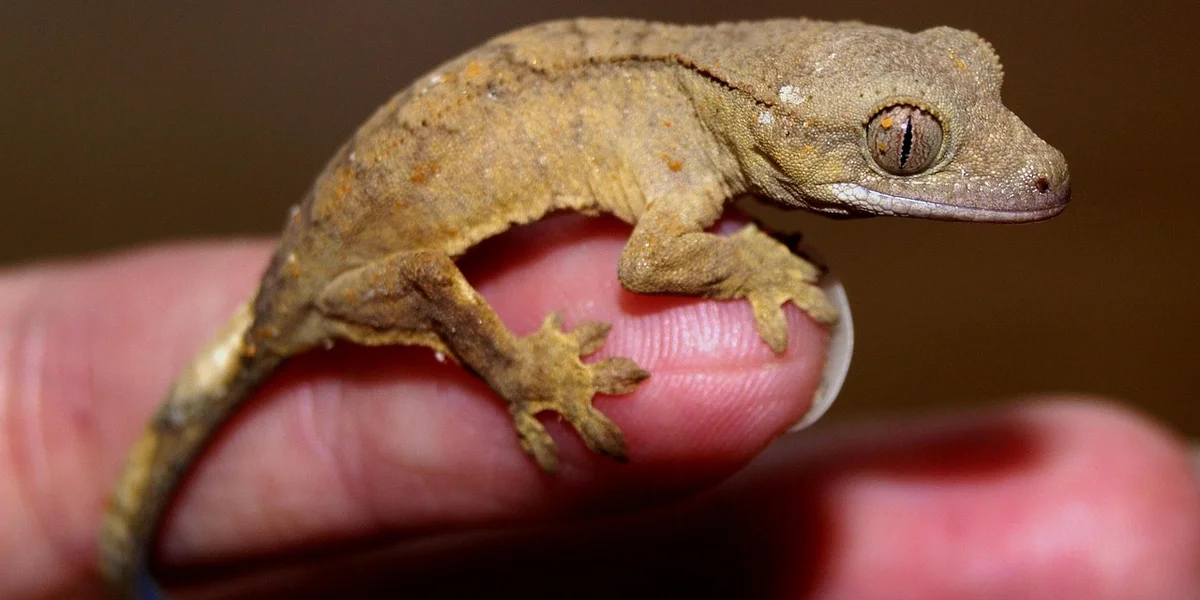
This is a topic I’m passionate about. Handling should always be for the gecko’s benefit, not just our own desire to interact. I’ve learned this through years of caring for geckos with vastly different personalities. Different gecko species require proper handling techniques tailored to their size, temperament, and physiology. By using species-appropriate methods, we can minimize stress and promote safer, more respectful interactions.
Handling can HELP when your gecko is naturally curious and calm, like my crested gecko, Jeter. For these individuals, short, positive sessions can build trust and provide mental stimulation. It helps them become accustomed to you as a non-threat, which reduces long-term stress.
Handling can HURT if your gecko is naturally skittish, territorial, or new to your home, like my African fat-tailed gecko, A-Rod. Forcing interaction with a stressed gecko will shatter any trust you’re trying to build and can lead to dropped tails or refusal to eat.
Here is my step-by-step guide for low-stress handling:
- Move slowly and deliberately. Avoid looming over them from above, as this mimics a predator.
- Place your hand flat and still in the enclosure, allowing them to approach and sniff you first.
- Gently scoop from below rather than grabbing from above. Let them walk onto your hand.
- Keep initial sessions very short-just 5-10 minutes-and always end on a positive note, perhaps with a small treat.
- Handle them close to a soft surface, like over a bed or a couch, in case they jump.
Watch their body language closely. If they freeze, try to run away, or vocalize, the session is over. Respecting their “no” is the single most important part of building a trusting relationship. My giant day gecko Babe loves to watch me from his terrarium but hates being held, and I respect that completely.
Knowing When to Call the Vet
I’ve learned through years of keeping my crew—Griffey, Jeter, and the others—that some stress signs are a clear signal to pick up the phone. Your gecko’s behavior is their primary way of communicating discomfort or illness, and ignoring certain signs can have serious consequences. Understanding the difference between gecko stress vs normal behavior helps you tell when to act. If signs persist beyond a brief post-cleaning period or include changes in appetite, activity, or hiding patterns, it’s time to seek professional advice. While a brief period of hiding after a cage cleaning is normal, some symptoms demand professional attention.
Major Red Flags That Require an Immediate Vet Visit
If you notice any of the following, do not wait. Contact a reptile-savvy veterinarian right away.
- Lethargy so profound they don’t react to handling. A sleepy gecko is one thing; a completely unresponsive one is a major concern.
- Persistent lack of appetite, especially if they’re losing weight or their tail is thinning dramatically.
- Difficulty breathing, which you might see as open-mouth breathing or bubbles around the nostrils.
- Swollen joints, limbs, or jaw, which can indicate metabolic bone disease or infection.
- Prolonged diarrhea or discolored, runny stools that last more than a couple of feedings.
Signs That Mean “Schedule a Check-Up Soon”
These issues might not be emergencies, but they warrant a non-urgent vet appointment to prevent them from getting worse.
- Shedding problems that don’t resolve after a warm sauna and gentle assistance. Retained shed, especially on toes or the tip of the tail, can cut off circulation.
- Minor, superficial wounds from rubbing on décor. I once found a small scrape on A-Rod; a vet visit ensured it healed cleanly without infection.
- A single instance of vomiting or regurgitation. If it happens repeatedly, it becomes an emergency.
- Consistently hiding during their normal active hours. If your day gecko is suddenly nocturnal, something is wrong.
Trust your gut—you know your gecko’s normal “vibe” better than anyone. Noting what’s normal helps you spot abnormal behaviors—watch for changes in appetite, activity, shedding, or hiding. If something feels off, even if you can’t pinpoint it, a vet check provides priceless peace of mind. It’s always better to be safe and get a professional opinion than to wonder and worry.
FAQs
What are signs of stress in geckos?
Common signs include excessive hiding, glass surfing, loss of appetite, unusual aggression, darkened coloration, rapid breathing, and shedding problems.
How can I relieve stress in a gecko?
Provide a temporary safe zone with a hide and paper towel, handle gently and infrequently, and ensure optimal temperature, humidity, and hiding spots in the enclosure.
What causes stress in geckos?
Stress is often caused by incorrect temperature or humidity, inadequate hiding places, poor tank location, over-handling, forced cohabitation, or predator presence.
How often should I handle a stressed gecko?
Avoid frequent handling and only engage in short, infrequent sessions if the gecko shows calmness and curiosity to prevent increasing their stress. Interpret your gecko’s mood before handling to tailor each session, and use the cues to guide safer handling sessions.
When should I seek veterinary help for a stressed gecko?
Seek immediate veterinary care if your gecko shows severe lethargy, persistent lack of appetite, difficulty breathing, swelling, or prolonged diarrhea. These are signs your gecko needs vet attention. Don’t wait to see if symptoms improve—contact your vet now.
Your Gecko’s Peace of Mind
When your gecko is stressed, your first move is always to check its environment. In many cases, the signs of stress are tied to environmental factors, so identifying and correcting these can restore calm. Ensure it has plenty of secure hides, the correct temperature gradient, and a consistent day/night cycle to create a foundation of security. From there, practice gentle patience, minimize handling, and let your gecko’s behavior guide you back to a calm, trusting companion.
Being a great gecko owner is a continuous journey of learning and observation. Your commitment to understanding their subtle language and providing a stable home is the single most powerful way to ensure your pet doesn’t just survive, but truly thrives.
Further Reading & Sources
- 4 Tips For Reducing Your Reptile’s Stress Quickly | Evolution Reptiles
- r/leopardgeckos on Reddit: What are signs your gecko is stressed or uncomfortable during handling/exploring outside of its tank?
- 3 Bad Mood Reactions from Leopard Geckos You Should Know About – Geckopia
The Gecko Guide is your ultimate resource for gecko enthusiasts, providing expert advice and practical tips to ensure the health and happiness of your scaly companions. Alexander is a passionate gecko owner with over a decade of experience in reptile care. We are dedicated to offering accurate, up-to-date information to support your gecko journey.Our mission is to foster a community of responsible gecko owners who are passionate about the well-being of these fascinating creatures.
Behavior and Socialization