
Where to Adopt or Buy a Healthy Crested Gecko
Published on: May 29, 2026 | Last Updated: May 29, 2026
Written By: Alexander 'Gecko Geek' Johnson
Finding a new crested gecko is exciting, but the biggest worry for any new owner is bringing home a sick or stressed-out animal from an unreliable source. I’ve been there, nervously researching for hours before I brought my first gecko home.
I will help you navigate the process with confidence. This guide breaks down everything you need to find a happy, healthy gecko.
- How to identify a trustworthy, ethical breeder versus a risky source.
- The key health signs to look for before you say “yes.”
- Understanding the real costs, from the gecko’s price to its lifetime care.
You will get clear, step-by-step advice to make the best choice. We cover: adoption versus buying, reputable breeders, reptile expos, online options, pet stores, rescue organizations, health checks, and your first steps at home.
Your Crested Gecko Source Options
You have a few main paths to finding your new scaled friend. Each option has its own pros and cons, and your choice will depend on what you value most-be it cost, animal welfare, or specific genetics.
Reputable Breeders
This is my preferred source for a specific morph or for a new keeper who wants a solid start. I got my crested gecko, Jeter, from a dedicated breeder. A good breeder provides a robust health history and is a lifelong resource for your questions.
- Pros: Known genetics and lineage, typically healthier animals, expert advice on tap.
- Cons: Often the most expensive option, may require travel or shipping.
Reptile Expos and Shows
These events are like a gecko wonderland! You can meet multiple breeders at once and see the animals in person. The energy is infectious, but you must be a savvy shopper to avoid impulse buys from questionable vendors.
- Pros: See many geckos and breeders side-by-side, often competitive pricing.
- Cons: Can be overwhelming, requires you to vet breeders on the spot.
Reptile Rescue and Adoption
This is a wonderfully rewarding route. I’ve fostered geckos from rescues and the bond is special. Adopting gives a second chance to an animal that truly needs a home, and it often costs significantly less.
- Pros: Saves a life, lower cost, supports a great cause.
- Cons: May come with unknown history or require special care for past neglect.
Pet Stores (Big-Box and Local)
I tread very carefully here. While some local, specialized pet stores are excellent, big-chain stores are a huge gamble. I’ve seen too many stressed, poorly housed geckos in chain stores to recommend them as a first choice. For those seeking healthy leopard geckos, check out my complete guide on where I buy them. It walks you through vetting sellers, recognizing welfare indicators, and the right questions to ask before purchase.
- Pros: Immediate availability, no waiting.
- Cons: Unknown origin, higher risk of health issues, often poor early life care.
How to Identify a Reputable Crested Gecko Breeder
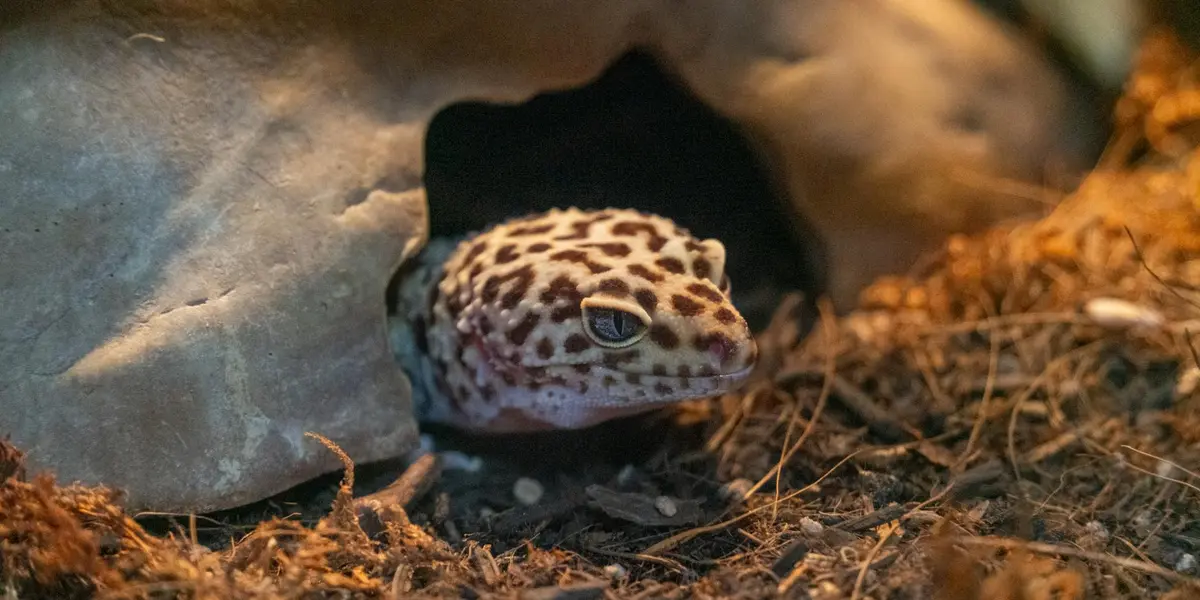
Not all breeders are created equal. A reputable breeder’s priority is the health and well-being of their animals, not just making a sale. Your goal is to find a breeder who is transparent, knowledgeable, and genuinely cares about where their geckos end up. To help you evaluate candidates, use an ethically responsible gecko breeders checklist. It emphasizes welfare, transparency, and responsible sourcing so you can make a confident, informed choice.
Look for these green flags:
- Clean and Spacious Enclosures: Tubs or terrariums should be clean, with fresh water and proper humidity. Overcrowding is a major red flag.
- Healthy, Alert Animals: Geckos should be bright-eyed, have good body weight (not bony hips or an overly fat tail), and be free of stuck shed.
- Willingness to Share Knowledge: They should happily answer all your questions without seeming annoyed. They are the expert, after all.
- Focus on the Animal’s Future: A good breeder will ask *you* questions about your setup and experience to ensure their gecko is going to a good home.
Essential Questions to Ask Any Breeder
Come prepared with these questions. A good breeder will have answers ready. How they respond will tell you almost everything you need to know.
- “What is this gecko’s hatch date and what has its feeding schedule been?” This confirms the animal’s age and establishes a care baseline.
- “Can you tell me about its genetics and lineage?” This tests their knowledge and record-keeping. Avoid breeders who can’t provide details.
- “How do you socialize and handle your juveniles?” The answer impacts how handleable your new pet will be.
- “What is your policy if the gecko has a health issue shortly after I bring it home?” A reputable breeder will often have a short-term health guarantee.
- “What diet and supplements do you use?” This helps you maintain consistency and shows their commitment to nutrition.
Navigating Crested Gecko Adoption and Rescue
Choosing to adopt a rescue gecko is one of the most rewarding paths you can take. I’ve welcomed several rescues into my home, and while it requires extra patience, the bond you form is incredible. You are literally saving a life and giving a deserving animal a second chance at a wonderful existence. If you’re choosing a healthy gecko, you’ll want to look for signs of vitality. Check for clear eyes, smooth skin, and an alert, responsive demeanor.
Preparing for a Rescue Gecko’s Special Needs
Rescue geckos often come with a history we don’t fully know. My gecko, Jeter, was a rescue, and his first few weeks were all about building trust. Be ready for a slower, more deliberate process. For anyone bringing home a rescue gecko, a 30-day rehabilitation guide can help plan the basics. It covers feeding, enclosure setup, and gentle handling to rebuild trust.
- Expect an Adjustment Period: Your new gecko might hide constantly, refuse food, or be skittish. This is normal. Give them space and quiet for at least a week.
- Quarantine is Non-Negotiable: Keep your new rescue in a separate room from other reptiles for at least 60 days. This prevents the potential spread of mites or illness.
- Veterinary Care is a Must: Schedule a check-up with a reptile-savvy vet soon after adoption. They can check for parasites, assess body condition, and give you a health baseline.
- Be Prepared for Past Neglect: Some may have missing tails or be underweight. I’ve nursed geckos back to health with a steady diet of Repashy Crested Gecko Diet-it’s a fantastic, complete meal for recovery.
- Patience is Your Greatest Tool: Don’t force handling. Let the gecko initiate contact on its own terms. Sit by the terrarium and talk softly to let them get used to your presence.
What to Look for in a Healthy Crested Gecko
Whether you’re at a rescue, a reptile expo, or a breeder’s website, knowing what a healthy gecko looks like is your superpower. A healthy gecko is alert, well-fleshed, and has bright, clear eyes. Trust your gut-if something feels off, it probably is.
Performing a Simple Health Check
Before you commit, do a quick visual inspection. I always do this “from snoot to boot.” A responsible seller will not mind you taking a careful look.
- Eyes: Should be bright, clear, and fully open. Sunken or crusty eyes can signal dehydration or illness.
- Nose and Mouth: Look for any stuck shed around the nose or mouth. The mouth should be closed evenly with no visible discharge.
- Body Condition: The gecko should have a plump body, not a skinny one where the hip bones are prominent. A slight pear shape is good for females.
- Skin: Check for clear, vibrant skin without cuts, scratches, or black specks (which could be mites).
- Feet and Toes: Count the toes! Make sure all are present and there’s no old shed constricting them, which can cause toe loss.
- Tail: A full, fleshy tail is a sign of good health and nutrition. A dropped tail (which is a defense mechanism) will grow back, but it’s a sign of past stress.
- Behavior: The gecko should be alert. It’s okay if they are a bit shy, but they should react to movement. Lethargy is a red flag.
| Body Part | What to Look For (The Good) | Red Flags (The Bad) |
|---|---|---|
| Eyes | Bright, clear, alert | Sunken, crusty, kept closed |
| Body & Tail | Plump, fleshy tail, rounded belly | Bony hips, skinny tail |
| Skin & Toes | Clean, vibrant, all toes present | Stuck shed, mites, missing toes |
Essential Setup Before Your Gecko Comes Home
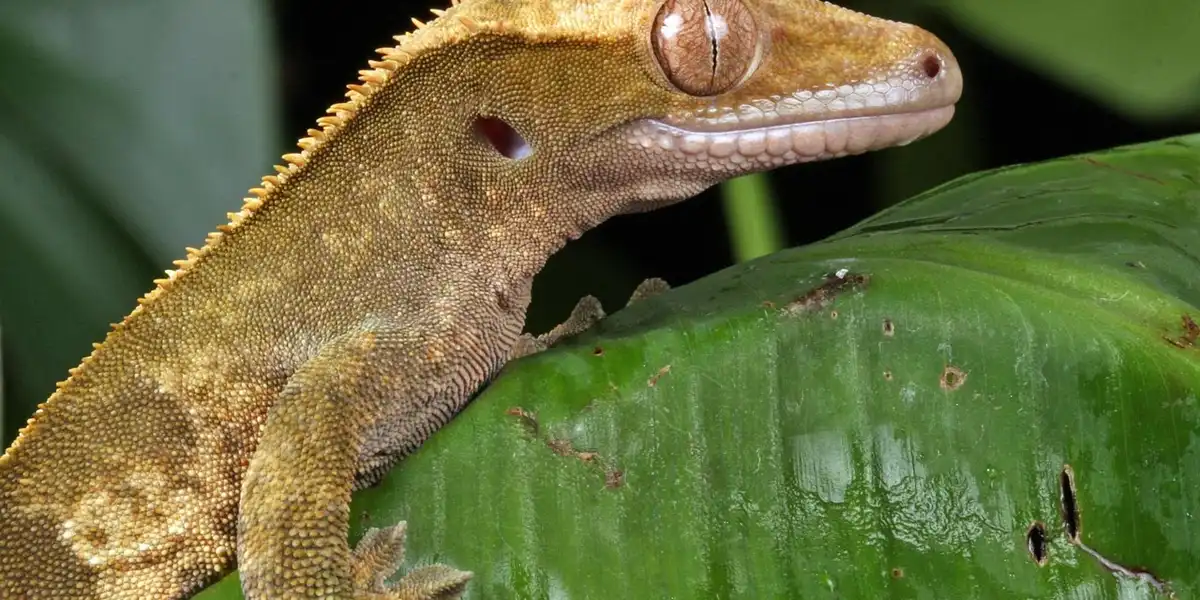
Getting your enclosure ready before your new crested gecko arrives is the single most important thing you can do for its health. I learned this the hard way with my first gecko, Jeter. Rushing the setup leads to stress, and stress makes geckos sick. That includes having the essential supplies for habitat setup—enclosure, heat and humidity controls, hides, branches, substrate, and a water dish—ready before your gecko arrives. Being prepared with these basics helps prevent stress and supports healthy, smooth adaptation. A prepared home means a smooth, safe transition.
The Non-Negotiable Shopping List
Do not bring a gecko home until you have all of this set up and running for at least 24 hours. This lets you check that temperatures and humidity are stable. That preparatory period is part of our first 24 hours with a new gecko essential step-by-step guide. Our guide walks you through setup, monitoring, and the initial care to help your gecko settle in.
- Tall Glass Terrarium: A 18x18x24 inch tank is the perfect starter size for one adult. Cresties are arboreal; they need height far more than floor space.
- Secure Lid: These guys are escape artists. A tight-fitting, ventilated screen top is a must.
- Substrate: For beginners, paper towel is safest. It’s simple, cheap, and lets you easily monitor their droppings for health.
- Climbing & Hiding Spots: Load the tank vertically! Use cork bark tubes, magnetic ledges, and a variety of fake or live plants. They need to feel hidden and secure at all levels.
- Food & Water Dishes: Use shallow, easy-to-clean dishes. A magnetic ledge dish for food is a game-changer.
- Heating & Lighting: They do not need scorching heat. A low-wattage ceramic heat emitter or deep heat projector on a thermostat is ideal to create a gentle warmth gradient.
- Misting System or Bottle: You must be able to spike the humidity to 80% at night and let it drop to 50% during the day. A hand mister works, but an automatic system saves you from forgetting.
Your gecko’s first impression of its new home should be one of security and comfort, not chaos. A cluttered, vertical paradise mimics their natural habitat and gives them the confidence to explore and settle in.
The Crucial Quarantine Process
Quarantine isn’t just a suggestion; it’s a vital shield for your existing pets and your new one. I always use a strict 90-day quarantine for every new animal, no exceptions. This practice has saved my entire reptile room from potential disaster. Properly quarantining a new reptile helps prevent parasite spread to the rest of your collection. The 90-day window gives you time to screen for parasites and establish stable husbandry before full integration.
Follow these steps religiously for at least 60-90 days:
- Isolate in a Separate Room: House the new gecko in a different room from your other reptiles. Airborne particles can travel.
- Use the Simplest Setup: Paper towel substrate, minimal decor (that can be disinfected), and basic dishes. This isn’t the time for a bioactive masterpiece.
- Dedicate Your Tools: Have a separate set of feeding tongs, spray bottles, and cleaning supplies just for the quarantine tank. Never cross-contaminate.
- Practice “Sick Pet First”: Always tend to your established, healthy pets first. Then, wash your hands thoroughly before you care for the new gecko in quarantine.
- Monitor Like a Hawk: Weigh your gecko weekly. Watch its appetite, energy, and check every poop for consistency. Any sign of lethargy, weight loss, or runny droppings is a red flag.
This period is your best defense against introducing mites, parasites, or respiratory infections into your home. It feels like a long time, but it’s a small price for lifelong health and peace of mind.
FAQs
How can I adopt a crested gecko?
Start by searching for reptile-specific rescue organizations or online adoption platforms that list crested geckos needing new homes. Also, make sure to find and vet a qualified reptile sitter if you plan to be away.
Where can I adopt a crested gecko in Colorado?
Check with local reptile rescues in Colorado or browse online classifieds and social media groups focused on reptile adoption in the state.
Is it possible to adopt a crested gecko for free?
Yes, free adoptions are sometimes available through private owners or rescues rehoming geckos due to personal circumstances.
How do I find crested gecko adoption options near me?
Use online resources like reptile adoption websites or local community forums to locate rescues and individuals offering geckos in your area. If you’re looking to rehome a gecko, these channels can help you connect with geckos that need a new home. When rehoming, prioritize reputable rescues that screen adopters and provide care guidance.
Can I adopt a crested gecko in Boise, Idaho?
Yes, look for Boise-area reptile rescues or online listings from local owners to find adoptable crested geckos.
Your Path to a Healthy Crested Gecko
Your best bet for a healthy gecko is a dedicated breeder or a rescue organization. Breeders offer extensive knowledge about lineage and health history, while rescues provide a noble home for a gecko in need. Always prioritize a clear health check-bright eyes, a plump tail, and a curious demeanor-over a low price tag from an unknown source. Choosing between a breeder, pet store, or rescue can make all the difference in your gecko’s health and happiness.
Bringing a crested gecko home is the start of a long, rewarding journey, not the finish line. Their well-being depends entirely on your commitment to learning and adapting. I’m still learning new things from my own geckos every single day, and that ongoing education is what makes you a truly great pet owner.
Further Reading & Sources
- Geckos for Adoption – Search & Adopt a Gecko
- Crested Gecko – BeWild Reptile Rescue
- Crested Gecko – Legacy Exotics: Cresties
The Gecko Guide is your ultimate resource for gecko enthusiasts, providing expert advice and practical tips to ensure the health and happiness of your scaly companions. Alexander is a passionate gecko owner with over a decade of experience in reptile care. We are dedicated to offering accurate, up-to-date information to support your gecko journey.Our mission is to foster a community of responsible gecko owners who are passionate about the well-being of these fascinating creatures.
Gecko Selection & Acquisition