
Are Geckos Cold-Blooded or Warm-Blooded?
Published on: June 6, 2026 | Last Updated: June 6, 2026
Written By: Alexander 'Gecko Geek' Johnson
If you’re worried about your gecko feeling cold or you’re unsure how to properly heat their tank, you’re asking the right foundational question. I’ve spent countless hours monitoring my own geckos, from Griffey the Leopard Gecko basking to Jeter the Crested Gecko seeking cooler leaves, and it all comes down to their unique internal temperature control.
I’ll help you understand exactly what “cold-blooded” means for your pet. Here are the key takeaways we’ll cover:
- The scientific term for “cold-blooded” and what it truly means for your gecko’s daily life.
- Why your gecko’s environment is its external thermostat and how that affects its health.
- Practical steps you must take to create the perfect temperature gradient in their enclosure.
You will get clear, actionable advice based on years of hands-on experience and established herpetology. The article covers: gecko metabolism, thermoregulation behaviors, ideal temperature ranges, common heating mistakes, and species-specific tips.
What Does “Cold-Blooded” Really Mean for Reptiles?
Let’s break down the science into something simple. An endothermic animal, like you or your dog, is an internal furnace. Your body burns fuel from food to generate its own consistent heat, no matter the weather. An ectothermic animal, like your gecko, is more like a solar-powered device.
They rely on the environment’s warmth to get their engine running. Think of your gecko as a tiny, scaly sunbather. They can’t create metabolic heat to warm up, so they must find a warm spot to absorb it. Humidity also plays a role in how heat is absorbed and retained by geckos, influencing where they choose to bask. The conjunction of ambient warmth and humidity helps geckos thermoregulate more efficiently.
You might also hear the terms poikilothermic and homeothermic. Poikilothermic means their body temperature fluctuates with their surroundings. Homeothermic means a stable internal temperature. Geckos are poikilotherms; their body temp changes. We are homeotherms; ours stays the same.
I see this every morning with my leopard gecko, Griffey. His first move after waking up is a slow, deliberate crawl to the warmest rock under his heat lamp. He’ll sit there, perfectly still, for an hour. He’s not being lazy. He’s charging his batteries. Watching him transform from a sluggish lump into an energetic explorer is the perfect illustration of ectothermy in action.
Are Geckos Cold-Blooded? The Definitive Answer
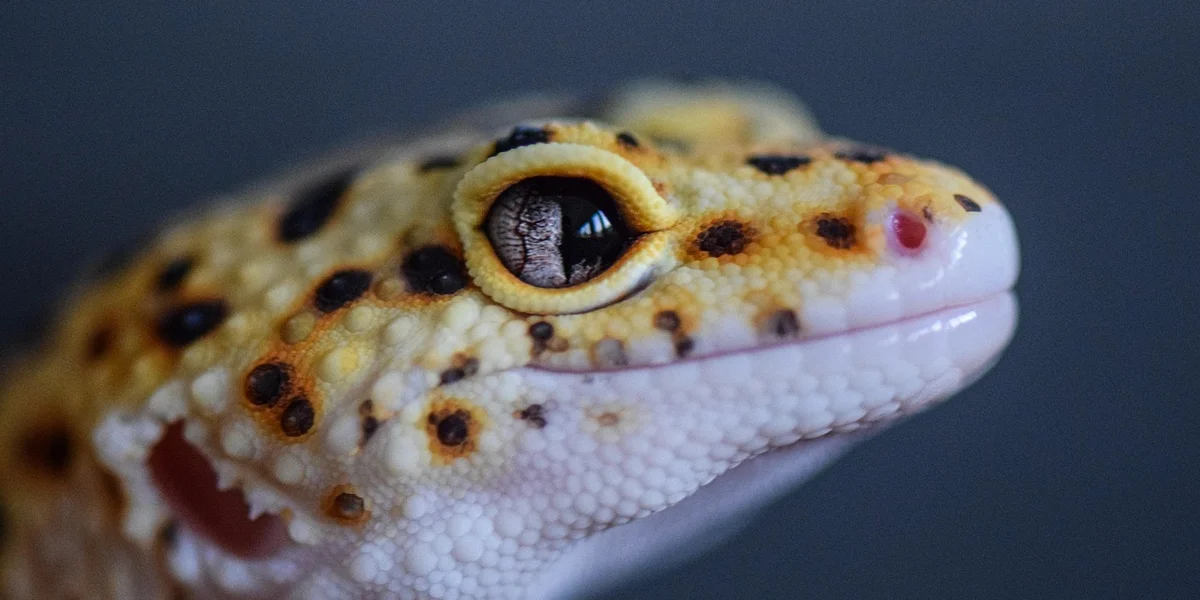
Yes, absolutely. All geckos, from the tiniest house gecko to the largest New Caledonian giant, are ectothermic reptiles. Their biology is fundamentally built to use ambient temperature for regulating their body heat. They do not produce it internally.
This leads to some very common and specific questions from owners, and the answer is always the same:
- Are crested geckos cold blooded? Yes.
- Are leopard geckos cold blooded? Yes.
- Are African fat-tailed geckos cold blooded? Yes.
The term “cold-blooded” is a bit of a misnomer. It doesn’t mean their blood is always cold. A gecko basking correctly will feel wonderfully warm to the touch. It simply means their warmth comes from an external source, not an internal one. This is why their activity levels are so tied to temperature. A cold gecko is a slow, sleepy gecko.
While geckos boast incredible diversity in size, pattern, and habitat, this is a universal trait. From the desert-dwelling leopard gecko to the rainforest-loving crested gecko, they all share the same ectothermic blueprint for life. Their survival depends entirely on our ability to provide the right thermal environment.
How Geckos Regulate Their Body Temperature in the Wild and Captivity
Geckos rely on their environment to stay warm or cool, using clever behaviors you can spot in any habitat. They bask in sunny spots to absorb heat, then scoot into shade or burrows when they need to chill out. My leopard gecko Griffey does this daily, stretching out under his lamp like a tiny sunbather before hiding in his cool cave. Understanding how lighting and temperature impact gecko behavior helps me provide the best care for him.
Beyond basking and shading, geckos use surfaces for conduction—pressing their bellies against warm rocks or cool soil to transfer heat. Convection plays a role too, as moving air from breezes or fans helps them shed excess warmth, much like panting in mammals. In the wild, a crested gecko might cling to a leaf in a gusty tree canopy to cool down, while radiation from the sun or artificial lights provides steady warmth they soak up eagerly. In captivity, crested geckos may bury themselves in their substrate to regulate humidity and temperature. This buried behavior shows how substrate depth and composition influence their thermoregulation and comfort.
To mimic these natural tactics in your terrarium, set up a heat gradient with a lamp on one side and a shaded hide on the other. I use a low-wattage bulb for my geckos, paired with a digital thermometer to avoid guesswork, which keeps them active and healthy. For species like my African fat-tailed gecko A-Rod, adding flat stones under the heat source lets him conduct warmth just like in his native grasslands.
Metabolism and activity levels shift with temperature-warmer geckos digest food faster and explore more, while cooler ones become sluggish. Watch for these changes; if your gecko is always lethargic, it might signal a heating issue that needs tweaking. My gargoyle gecko Mookie zooms around after warming up, but on cooler days, he rests more, showing how tightly temperature ties to energy.
Key Thermoregulation Behaviors to Watch For
- Sunbathing under heat lamps or in bright spots to raise body heat.
- Hiding in moist or shaded areas to lower temperature and prevent overheating.
- Pressing against warm surfaces like rocks or glass for conductive heating.
- Climbing to higher perches for warmer air or descending to cooler zones.
These actions are vital for health; for instance, my crested gecko Jeter perches high to stay warm, which aids his digestion and mood. Ignoring these cues can lead to stress or illness, so observe your gecko’s daily rhythms to catch problems early. When Griffey avoids his basking spot, I check the temperature-it often means the heat is too intense, and he needs a break.
Setting Up the Perfect Heating for Your Pet Gecko
Creating the right heat setup starts with a simple gradient to give your gecko choices. Follow these steps: place a heat source at one end of the terrarium, leave the other end cool, and use thermometers to monitor both zones. I learned this through trial and error; my first setup for A-Rod had no gradient, and he stayed hidden all day until I fixed it.
- Heat lamps: Provide focused basking spots and simulate sunlight, but can dry out the air-use with a dome reflector for safety.
- Heat pads: Offer gentle, consistent warmth from below, ideal for nocturnal species, but avoid direct contact to prevent burns.
- Ceramic heat emitters: Emit heat without light, great for night use, though they require a thermostat to control temperature spikes.
Ambient temperature control varies by species; for example, day geckos like Babe thrive with brighter, warmer setups than crested geckos. I use a combination of a low-wattage lamp and a heat pad for my leopard geckos, which mimics their natural rocky habitats and keeps them active. One mistake I made early on was overheating Mookie’s enclosure-he became stressed and stopped eating, so now I always double-check with a infrared temp gun.
Recommended Temperature Ranges by Gecko Type
| Gecko Type | Daytime Range | Basking Spot | Nighttime Range |
|---|---|---|---|
| Leopard Gecko | 75-85°F | 88-92°F | 70-75°F |
| Crested Gecko | 72-78°F | Not required | 65-72°F |
| Day Gecko | 80-85°F | 90-95°F | 70-75°F |
Adjust these ranges for feeding or breeding; for instance, slightly warmer temps can boost appetite in leopard geckos. Always provide a cooler area to let your gecko self-regulate, which prevents overheating and supports overall well-being. I keep a hide on the cool side for Griffey, and he uses it after meals to aid digestion.
Leopard Geckos
- They need a warm basking area around 88-92°F to digest food and stay active.
- Include a cooler hide at 75-80°F for resting and avoiding stress.
My gecko Griffey loves his under-tank heater paired with a lamp, which gives him options to warm up or cool off as needed. Without this setup, he might become lethargic or refuse food, so I check temperatures daily to keep him happy.
Crested Geckos
- Moderate temperatures of 72-78°F work best, with no intense basking spots required.
- Pair with higher humidity levels around 60-80% to support shedding and health.
Jeter, my crested gecko, thrives in a terrarium with live plants and a misting system that maintains moisture. I avoid overheating his space, as it can lead to dehydration-a lesson I learned when he once hid constantly until I lowered the temp.
Day Geckos
- They prefer bright light and warmth, with basking zones up to 95°F for energy.
- Use full-spectrum UVB lighting to mimic their natural sunny habitats.
Babe, my giant day gecko, spends hours under his heat lamp, and I see him perk up when the light is just right. Observing his behavior taught me that consistent warmth is key to keeping day geckos vibrant and active. This is the kind of insight you’ll find in the complete guide on understanding gecko behavior and temperament. It helps owners read mood signals and adjust care accordingly.
Signs Your Gecko’s Temperature is Off and How to Fix It
Spotting temperature trouble early is your best defense. Your gecko can’t tell you it’s uncomfortable, so you must learn to read its body language and habits. A happy, healthy gecko is an active and alert one.
Symptoms of Improper Heat
- Lethargy and Weakness: A cold gecko moves slowly, if at all. It may struggle to lift its body or seem uninterested in its surroundings.
- Loss of Appetite: This is a huge red flag. A gecko that is too cold cannot digest its food, so it will simply stop eating.
- Unusual Hiding: While geckos love their hides, a gecko that permanently camps out on the cool side and avoids the warm area is signaling a problem.
- Spending All Time in the Hot Hide: The opposite is also true. A gecko that never leaves the hot end might be desperately trying to get warm enough for its body to function.
Practical Steps to Adjust Heating
Don’t panic if you see these signs. Here is my step-by-step method for troubleshooting.
- Verify with a Digital Thermometer: Your first move is always to check the actual temperatures on both the warm and cool sides. Do not rely on guesswork.
- Adjust Your Heat Source: If the warm side is too cool, raise the thermostat setting on your under-tank heater or raise the basking lamp. If it’s too hot, lower it.
- Check for Malfunctions: Is the heat mat still working? Is the thermostat probe securely in place? Sometimes the equipment fails.
- Re-evaluate Your Setup: Is the tank in a drafty area? Is it too large for the heat source to properly warm? Small tweaks can make a big difference.
Health Problems from Poor Temperature
Ignoring these signs can lead to serious health issues. The most common and dangerous consequence is impaction, where undigested food blocks the gut. This is a life-threatening emergency. Chronic incorrect temperatures also suppress the immune system, making your gecko vulnerable to infections and metabolic bone disease.
A Rescue Story: Mookie’s Close Call
I learned this lesson the hard way with my Gargoyle gecko, Mookie. He suddenly stopped his signature leaping and refused food. I found him lethargic on the tank floor. A quick temperature check revealed my heat lamp had burnt out days prior during a cold snap. I moved his tank to a warmer room, installed a backup heater, and within 48 hours, he was back to diving between branches like he was making a game-winning catch. That experience taught me to always have a backup plan and to act fast.
How Temperature Drives Gecko Behavior, Health, and Care
Temperature isn’t just about comfort; it’s the engine that runs your gecko’s entire body. Think of heat as the “on” switch for a gecko’s metabolism—no switch, no power. For leopard geckos, tank temperature requirements are essential to providing that switch in a safe, steady range. Maintaining the correct gradient helps digestion, activity, and overall health.
Impact on Metabolism and Digestion
After a meal, my Leopard gecko, Griffey, always heads straight for his warm hide. He knows he needs that belly heat to break down the crickets. Without sufficient heat, food rots in the gut instead of digesting. Proper heat transforms food into energy for activity and vital bodily functions. A cold gecko is a sluggish gecko because its internal systems are moving in slow motion.
Effects on Breeding and Vitality
If you’re considering breeding, temperature is your primary tool. Many species, like Crested geckos, use slight seasonal temperature drops to trigger breeding cycles. Overall vitality-from a bright, clean shed to strong bones-is directly tied to a well-regulated thermal environment. My Giant Day gecko, Babe, boasts vibrant color and a chubby tail precisely because his basking spot is perfect.
Care Adjustments for Seasons
Your gecko’s needs change with your home’s seasons. In winter, when my house gets drafty, I lower the thermostat on my tanks by a couple of degrees to mimic a natural, mild cool-down. I also watch my geckos closely. Jeter, my Crested gecko, eats a little less, and that’s normal. I always advise using a thermostat year-round; it automatically compensates for ambient room temperature shifts, providing consistent, safe heat. Adjusting temperatures seasonally is crucial for your gecko’s health.
The Role of Adaptation in Welfare
Embracing their ectothermic nature is key to their welfare. They are masters of using their environment. Providing a proper temperature gradient isn’t a luxury; it’s our fundamental responsibility as keepers. It allows them to perform the natural behaviors they are built for, leading to less stress and a longer, healthier life in our care.
FAQs
What are common questions about geckos being cold-blooded on platforms like Reddit?
Pet owners frequently ask how to set up proper heating and interpret gecko behaviors like hiding or basking to ensure their ectothermic needs are met.
Do geckos remain cold-blooded throughout the day?
Yes, geckos are always ectothermic, but they actively seek warmer areas during the day to boost their metabolism and activity levels.
How does water exposure impact a cold-blooded gecko’s body temperature?
Water can cause rapid heat loss in geckos, so it’s essential to provide shallow, warm water sources and dry basking spots to prevent chilling. Avoid common gecko heating mistakes by maintaining a stable temperature gradient with a thermostat. Don’t rely on a single heat source or place heat near water bowls; monitor temperatures to prevent chilly spots.
Is there any truth to geckos being warm-blooded in certain conditions?
No, geckos cannot become warm-blooded; they rely entirely on external heat sources to regulate their body temperature in all situations. Do geckos need heat at night? Yes—many species still require a gentle nighttime heat source to prevent temperature drops, though the specifics vary by species.
What misconceptions do people have about geckos and their cold-blooded nature?
Many mistakenly believe “cold-blooded” means geckos are always cold, but they can feel warm when basking and require specific temperature gradients to thrive.
The Bottom Line on Gecko Body Temperature
Your gecko is an ectotherm, relying entirely on you to create the right thermal environment for its health. Provide a proper heat gradient with a warm basking area and a cooler retreat, use thermostats with all heat sources, and never guess the temperature inside the habitat. For crested gecko ideal temperature range, the ideal daytime range is about 72–78°F (22–26°C), with a cooler drop at night to around 65–72°F (18–22°C). Their life, from digestion to immunity, depends on that external warmth.
Embracing the responsibility of a temperature-dependent pet is the first step to exceptional gecko care. Their well-being is a direct reflection of your commitment to learning and adapting. Keep observing your pet, continue your research, and you’ll be rewarded with a thriving, vibrant companion for years to come.
Further Reading & Sources
- r/LeopardGecko on Reddit: My geckos is always in the shade why. and he feels cold can someone help me understand why he is always in the shade and hiding he always feel cold what can i do i need help
- Which animals are cold-blooded? | IFAW
- My gecko feels cold to the touch. Is that okay? Also, will the heat of my hand affect him if I handle him too long? – Quora
The Gecko Guide is your ultimate resource for gecko enthusiasts, providing expert advice and practical tips to ensure the health and happiness of your scaly companions. Alexander is a passionate gecko owner with over a decade of experience in reptile care. We are dedicated to offering accurate, up-to-date information to support your gecko journey.Our mission is to foster a community of responsible gecko owners who are passionate about the well-being of these fascinating creatures.
Gecko Myths and Facts