
How to Tell if Your Leopard Gecko is Too Cold
Published on: June 6, 2026 | Last Updated: June 6, 2026
Written By: Alexander 'Gecko Geek' Johnson
If your leopard gecko is acting sluggish, refusing food, or just seems “off,” your first thought should be to check the temperature in their tank. A cold gecko is an unhealthy gecko, and recognizing the signs early is one of the most important parts of being a good owner.
I’ve learned this through experience with my own gecko, Griffey. I will help you spot the subtle and not-so-subtle clues. We will cover:
- The most common physical and behavioral symptoms of a cold leopard gecko.
- How to properly check your tank’s temperature gradients.
- Simple, immediate steps you can take to warm your pet up safely.
You will get clear, actionable advice to ensure your scaly friend stays happy and healthy. The article covers: recognizing symptoms, checking temperatures, warming solutions, preventing future issues, and when to see a vet.
Signs Your Leopard Gecko is Too Cold
Your gecko can’t tell you it’s chilly, so you must become a detective of its behavior and appearance. Learning to spot these subtle signs is your first line of defense against temperature-related stress. These signs are closely tied to environmental conditions—temperature, humidity, and lighting all influence a gecko’s stress levels. By understanding how the environment affects signs of environmental stress, you can tailor care to keep your gecko comfortable.
Physical Symptoms
- Shivering or Trembling: A slight, constant quiver is a major red flag. Their bodies are struggling to generate enough warmth.
- Curled-Up Body Posture: They might tuck their limbs in close and curl their body, trying to conserve core body heat.
- Pale or Dull Coloration: A cold gecko often looks washed out. Their normally vibrant yellows and spots will appear muted and less defined.
Behavioral Changes
- Extreme Lethargy: You’ll notice a dramatic drop in activity. They may not move from one spot for hours, even when approached.
- Excessive Hiding: While they love their hides, a cold gecko will almost exclusively stay hidden, often on the cool side of the tank, which is counterintuitive but a sign of system shutdown.
- Slow, Sluggish Movement: Their movements become labored and slow-motion, like they’re walking through molasses.
Health and Appetite Red Flags
- Complete Appetite Loss: A cold gecko’s digestion grinds to a halt. They will refuse food because they cannot metabolize it.
- Difficulty Shedding (Dysecdysis): Proper hydration and warmth are essential for a clean shed. Inadequate heat is a primary cause of stuck shed, particularly on the toes and tail tip.
I remember one winter when my gecko, Griffey, was acting completely off. He was curled in a tight ball in his cool hide, his color was pale, and he ignored his favorite waxworms. It was a classic case of the tank’s under-tank heater failing overnight—something you should always check when geckos need heat at night. The moment I restored the heat, he slowly uncurled and within an hour was back to his curious, bright-yellow self. It was a powerful reminder of how fragile their systems are.
Ideal Temperature Ranges for Leopard Geckos
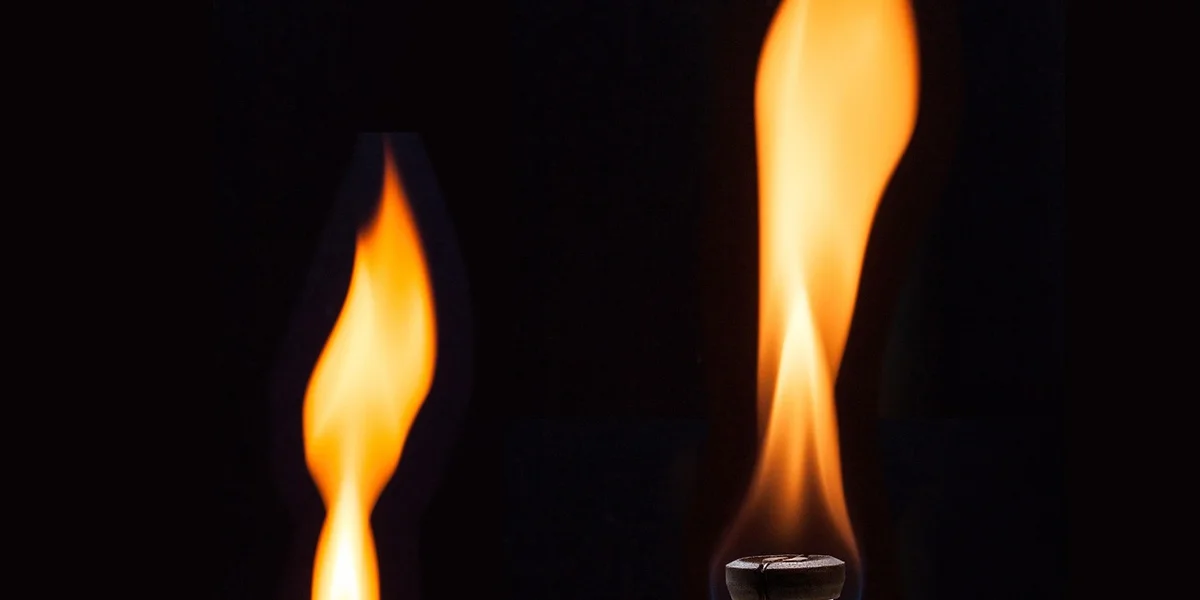
Day and Night Temperature Needs
Leopard geckos are ectotherms from arid, warm environments. Replicating this thermal landscape in their enclosure is non-negotiable for their health. For hatchlings, an ideal habitat setup is compact and secure with a warm basking area and a moisture hide to aid shedding. This supports proper temperature regulation and healthy molts from the start.
- Basking Spot: 88-92°F (31-33°C). This is the hottest area, directly under the heat source, for digesting food.
- Warm Side: 84-90°F (29-32°C). This general area allows them to thermoregulate comfortably.
- Cool Side: 70-77°F (21-25°C). A must-have escape from the heat to prevent overheating.
This temperature gradient is the cornerstone of leopard gecko care. They must be able to move between these zones to control their body temperature. You measure this with digital thermometers placed at both ends of the tank, not the sticky analog kinds that are often inaccurate. To create the perfect temperature gradient in your gecko enclosure, place warm and cool zones at opposite ends. Regularly verify the temperatures with the digital thermometers at each end.
A slight night drop is natural and beneficial, but it should not be extreme. Temperatures should never fall below 68°F (20°C) at night. If your house gets colder, you will need a lightless heat source like a ceramic heat emitter or a deep heat projector.
Setting Up the Perfect Heat Gradient
Getting the gradient right is about using the right tools correctly. Never guess with temperatures; always use a reliable thermostat.
- Heat Lamps vs. Under-Tank Heaters (UTH): I prefer using a UTH for the primary warm side/basking area as it provides belly heat for digestion. A low-wattage heat lamp can assist in achieving the perfect basking spot temperature, especially in cooler rooms.
- The Thermostat is Essential: This is not optional. Plug your heat mat or lamp into a thermostat with a probe to prevent burns and deadly overheating. It automatically cycles the heat on and off to maintain your set temperature.
Remember to feel the substrate over the heat mat. It should be pleasantly warm, not hot. If it’s too hot for your wrist, it’s too hot for your gecko. Also, heat sources can dry out the air, so monitor your humidity levels, especially in the moist hide, to ensure successful sheds.
Immediate Steps to Warm a Cold Leopard Gecko
When you find your gecko feeling chilly, acting quickly and calmly is your top priority. Your first move should always be to check the heat source itself to confirm it’s functioning properly. Lighting and temperature can also affect gecko behavior, activity, and comfort. If lighting is too cool or too hot, your gecko may become sluggish or stressed.
- Verify the Heat Source: Is the heat mat or lamp plugged in and switched on? Is the power outlet working? This is the most common and easily fixable problem I’ve encountered.
- Adjust the Thermostat: If the equipment is on but the tank is cold, gently increase the thermostat setting for the warm side to the proper 88-92°F range. Do not make a huge jump all at once.
- Provide a Temporary Warm Spot: While the main heat source recovers, you can create a safe, gentle warmth. I’ve done this for Griffey by filling a plastic bottle with warm (not hot) water, wrapping it in a thin towel, and placing it near him-never directly on him.
- Encourage Movement: If your gecko is alert, gently coax them to walk to the warm side of the tank. This gets their blood flowing and helps them self-regulate.
- Monitor Closely: Watch for signs of improvement like increased activity and a brighter coloration. Gradual warming over an hour is safe; rapid temperature spikes can send a cold gecko into shock.
If your gecko does not show improvement within an hour or seems lethargic and unresponsive, it’s time to contact a reptile-savvy veterinarian immediately. Signs that your gecko needs veterinary care right away include ongoing loss of appetite, rapid or labored breathing, swelling, regurgitation, or unusual behavior. Don’t hesitate to seek care promptly if you notice any of these symptoms, as timely treatment can prevent serious complications.
Common Heating Mistakes and How to Fix Them
Many heating issues stem from simple, overlooked errors. Getting the basics right is the single most effective way to prevent your gecko from getting cold in the first place. Learn about the most common gecko heating mistakes to avoid them and keep your pet comfortable.
Incorrect Thermostat Settings
Guessing the temperature or relying on a faulty thermostat is a recipe for disaster. I learned this the hard way with an old, unreliable dial thermometer.
- The Problem: Uneven heating creates cold spots your gecko can get trapped in. Sudden temperature drops at night can also be harmful if your home gets cold.
- The Solution: Use a digital thermometer/hygrometer with a probe placed on the warm-side floor. Calibrate your devices occasionally. For nighttime drops, a ceramic heat emitter on a thermostat provides warmth without light.
Overlooked Factors like Humidity and UVB
Heat doesn’t work in a vacuum. Other tank conditions can make a cold gecko’s problems much worse.
- Humidity’s Role: Low humidity combined with low temperatures is a double-whammy for shedding. A dehydrated, cold gecko is at high risk for severe stuck shed, which can constrict their toes and tail. Always provide a moist hide to help them through this process.
- UVB’s Brief Role: While leopard geckos are crepuscular, low-level UVB can support their overall metabolism and calcium absorption, which indirectly helps them better utilize the warmth you provide. It’s a supporting actor, not the main heat source.
Preventing Your Gecko from Getting Too Cold
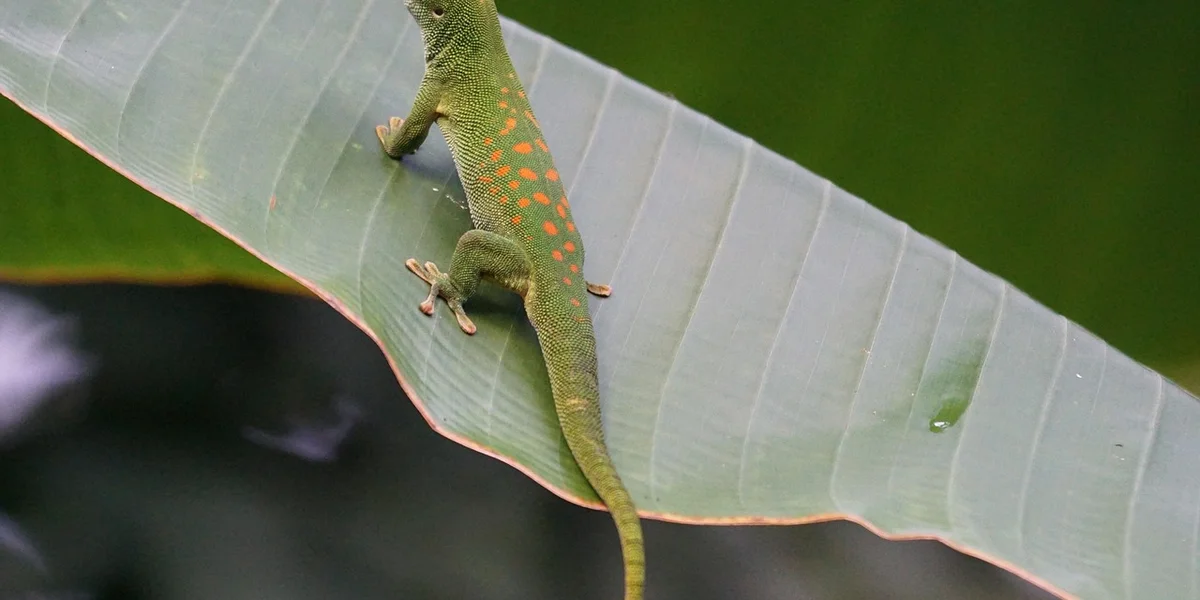
An ounce of prevention is worth a pound of cure, and this is especially true for your gecko’s health. Consistency is the single most important factor in preventing temperature-related stress. A stable, warm environment lets your pet thrive without expending extra energy just to stay alive.
Essential Preventive Measures
- Daily Thermometer Checks: Don’t just glance; actually read the numbers on your digital thermometers. I do this every morning during feeding, just like checking my own weather app.
- Proper Enclosure Setup: Ensure your heat mat or lamp covers only one-third of the tank’s floor space. This creates a vital temperature gradient, giving your gecko the power to self-regulate its body temperature.
- Use a Solid Tank Lid: A screen lid lets all that precious heat escape straight up. I use a modified glass top with a small screened section for my lamps, which holds heat and humidity far better.
- Insulate the Back and Sides: If your room is drafty, taping aquarium background foam or even a towel to the outside back and sides of the tank can make a huge difference in heat retention.
The Non-Negotiable Role of Thermostats
A heat source without a thermostat is a house fire waiting to happen. A high-quality thermostat is not an optional accessory; it is as essential as the tank itself. It acts as an intelligent manager, constantly monitoring the temperature and telling your heater to turn on or off to maintain your set point.
I learned this the hard way years ago with a cheap heat mat that malfunctioned and nearly cooked one of my first geckos. That sickening crack of a plastic hide melting is a sound I will never forget. Now, every single heat source I own is plugged into a reliable thermostat. It gives me peace of mind and my geckos a safe, stable environment. That’s why I rely on the best thermostat gecko heating equipment—precision control and built-in safety. It keeps temperatures stable and geckos safe.
Pitfalls to Avoid: Lessons from My Crew
Caring for multiple geckos has taught me to spot and solve common problems before they become emergencies.
- Don’t Trust Pet Store Advice Blindly: I’ve been told by employees that leopard geckos don’t need heat at night. This is dangerously false. A slight nighttime drop is fine, but they still need ambient temperatures in the high 60s (°F) at a minimum.
- Check Outlets and Cords: One of my thermostats once got unplugged by a clumsy vacuuming session. I now use outlet covers and secure cords to the wall to prevent accidental disconnections.
- Seasonal Changes Matter: The temperature in your house changes with the seasons. A setup that was perfect in July might be too cold in January. I adjust my thermostat settings slightly during extreme winter cold snaps.
When to Seek Veterinary Help
While many temperature issues can be fixed at home, some signs indicate a deeper problem that requires professional intervention. Your gecko’s life is worth the cost and effort of a vet visit. An experienced reptile vet can diagnose issues that are not visible to the untrained eye.
Signs That Demand a Vet Visit
- Persistent Lethargy After Warming: If you’ve corrected the tank temperature for 24-48 hours and your gecko is still listless, weak, or uninterested in food, something else is wrong.
- Brumation Confusion: A healthy gecko in brumation will still wake up occasionally and may even take a sip of water. A sick, cold gecko will be completely unresponsive. If you’re unsure, a vet can help you tell the difference.
- Labored Breathing or Wheezing: Chronic cold can lead to deadly respiratory infections. Listen for clicking or popping sounds when they breathe.
- Refusal to Eat for Over Two Weeks: A warm, healthy gecko that continues to refuse food likely has an underlying health issue, such as parasites or impaction, that the cold may have exacerbated.
- Visible Weight Loss: If their tail is noticeably thinner and their hip bones are starting to protrude, they are in a critical state and need immediate supportive care.
Trust your gut. If something feels off with your pet, it probably is. I once took my gecko, Griffey, in for what I thought was just a slow season. The vet found a minor parasite load that was sapping his energy. A simple treatment later, and he was back to his energetic, posing self. It was a powerful reminder that advocating for their welfare is our most important job as pet owners.
FAQs
What is the temperature tolerance for leopard geckos?
Leopard geckos have a narrow temperature tolerance and can become stressed or ill if kept below 68°F (20°C) for extended periods. Understanding their tank temperature requirements is essential for proper care. A suitable enclosure provides a warm basking area and a cooler side, allowing the gecko to thermoregulate.
How do temperature and humidity levels affect leopard geckos?
Proper humidity around 30-40% helps prevent shedding issues and supports respiratory health, working together with stable temperatures for overall wellness.
What are the ideal temperature ranges in Celsius?
Leopard geckos thrive with a basking spot of 31-33°C, a warm side of 29-32°C, and a cool side of 21-25°C.
Why is a temperature gradient important?
A temperature gradient enables leopard geckos to self-regulate their body heat by moving between warmer and cooler areas, which is vital for digestion and activity.
What should the nighttime temperature be for leopard geckos?
Nighttime temperatures should remain between 68-75°F (20-24°C) to mimic natural drops without risking your gecko’s health. This also mirrors the gecko’s natural day-night cycle, supporting healthy circadian rhythms. Respecting these cycles helps maintain appetite, activity, and overall well-being.
Final Word on Your Gecko’s Warmth
If your leopard gecko is lethargic, refusing food, or constantly seeking out the heat mat, it is likely too cold. Your immediate action should be to check the temperature gradient in the enclosure with a reliable thermometer. Ensure the warm hide maintains a steady 88-92°F (31-33°C) so your gecko can properly digest its food and stay active.
Caring for a leopard gecko is a continuous learning experience. Committing to understanding their specific needs, like perfecting their habitat’s temperature, is the foundation of fantastic, responsible pet ownership. I’m always learning more from my own geckos and the wider reptile community, and I encourage you to do the same.
Further Reading & Sources
- Leopard Gecko Temperatures & Humidity | Leopard Gecko Care
- r/leopardgeckos on Reddit: Leopard geckos feels cold
- r/LeopardGecko on Reddit: What’s the coldest temperature a leopard gecko can survive? How long can it stay like that? How can i keep him warm?
The Gecko Guide is your ultimate resource for gecko enthusiasts, providing expert advice and practical tips to ensure the health and happiness of your scaly companions. Alexander is a passionate gecko owner with over a decade of experience in reptile care. We are dedicated to offering accurate, up-to-date information to support your gecko journey.Our mission is to foster a community of responsible gecko owners who are passionate about the well-being of these fascinating creatures.
Heating & Temperature Control