
Why Do Geckos Open Their Mouths?
Published on: May 22, 2026 | Last Updated: May 22, 2026
Written By: Alexander 'Gecko Geek' Johnson
Seeing your gecko sitting with its mouth hanging open or puffing out its throat can be a startling and worrying sight. Your first thought might be that something is seriously wrong.
I’m here to help you understand this common behavior. Over the years with my own crew-Griffey, Jeter, and the others-I’ve learned that these actions usually have simple explanations. We’ll cover the three main reasons you’re seeing this:
- The “Thermoregulation Gape”: How they cool down.
- Communication and Display: What they’re trying to say.
- Health Warning Signs: When it’s time for concern.
By the end of this article, you’ll be able to read your gecko’s body language like a pro. We will cover: gecko thermoregulation, body language, territorial behavior, shedding process, signs of respiratory infection, and when to see a vet.
What Gecko Mouth Gaping and Throat Puffing Really Mean
Geckos open their mouths and puff their throats as a primary way to “talk” to their world. This behavior is a natural form of communication, not always a sign of trouble. They use these actions to express everything from comfort to caution. Are these vocalizations also part of their body language cues? In geckos, sounds are often accompanied by postures and tail movements that reinforce the message.
Let’s define the key terms. “Gape” means holding the mouth wide open, often without any intent to bite. “Puff” refers to inflating the throat sac, which makes their head look larger. A “deimatic display” is a specific bluff used to startle predators by suddenly looking more dangerous.
My leopard gecko, Griffey, gives me a perfect example. He’ll often strike a pose after exploring, mouth slightly agape and throat full, like he’s proudly showing off his territory. Seeing Griffey do this taught me that context is everything-it’s not always a threat. It was his curious way of interacting with a new hide I’d added.
| Behavior | Common Meanings |
|---|---|
| Mouth Gaping | Thermoregulation, post-feeding adjustment, mild threat display |
| Throat Puffing | Territorial warning, predator intimidation, breeding readiness |
Common Reasons Geckos Gape and Inflate Their Throats
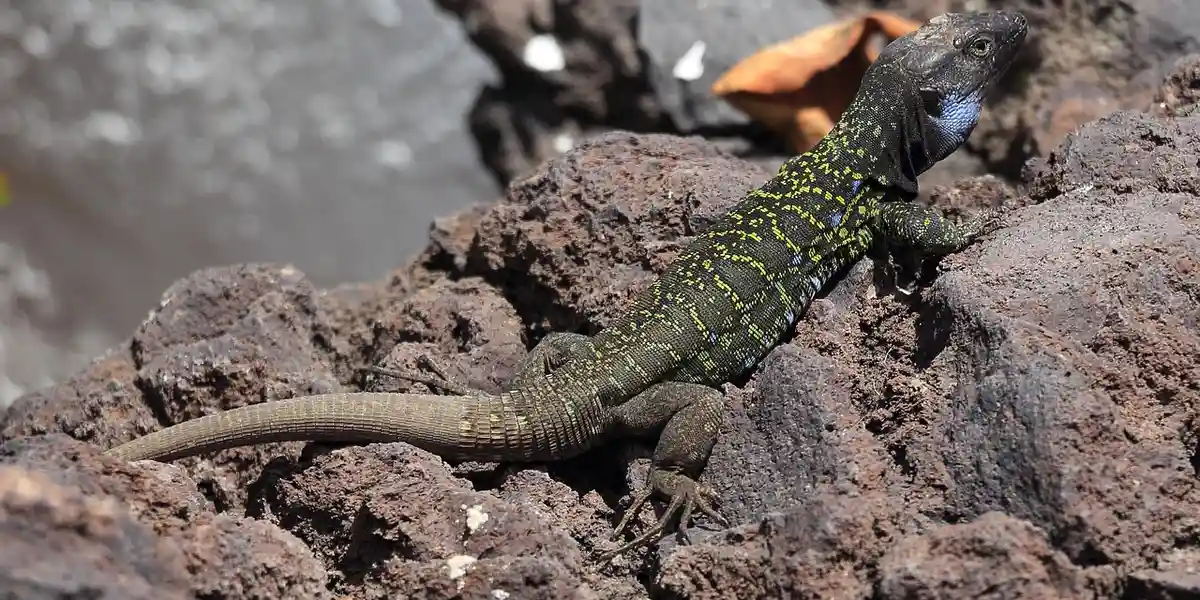
Geckos perform these actions for several normal, healthy reasons. When something seems unusual, it’s helpful to distinguish normal behaviors from signs that may be abnormal. If you’re concerned, understanding the context can guide how you respond. Understanding the context helps you respond appropriately and support their welfare. Here are the most frequent causes.
- Territorial displays: A gecko may gape or puff to warn tank mates or its own reflection to back off.
- Intimidation against predators: This is a survival tactic to appear bigger and scare away threats.
- Breeding signals: Males often display these behaviors to attract females or challenge rivals.
Throat sac inflation is a brilliant trick. By puffing their throats, geckos exaggerate their size to deter confrontations without physical conflict. It’s a low-energy way to say “I’m not an easy target.”
Sometimes, gaping is simply practical. It aids in thermoregulation by releasing excess body heat. After a large meal, a gecko might gape to reposition its jaw or assist swallowing.
Different species show unique tendencies. My crested gecko, Jeter, puffs his throat calmly when handled, while my leopard gecko, Griffey, gaps more during basking. African Fat-Tailed Geckos, like A-Rod, are prone to territorial puffing, and Gargoyle Geckos like Mookie might combine gaping with quick leaps. This kind of variation is exactly what a complete guide to gecko behavior temperament aims to explain. Understanding these cues helps tailor handling and care for each gecko.
When Mouth Opening and Throat Puffing Signal Trouble
While a little puff and gape is often normal, these behaviors can also be red flags for serious health issues. Learning to spot the difference between a gecko being a gecko and a gecko in distress is your most important skill as an owner.
Key Warning Signs to Watch For
Abnormal mouth-opening and throat-puffing is rarely an isolated symptom. You need to look for the whole package of concerning behaviors.
- Respiratory Infection: Look for bubbles in the mouth or nostrils, a clicking or wheezing sound when breathing, and a persistent, wide-mouthed gape as if they’re struggling for air. A stringy, thick saliva is another giveaway.
- Severe Stress: This is often paired with hissing, attempting to flee, or a defensive posture. Their color might also darken or turn a dull, washed-out gray.
- Impaction: Watch for a swollen abdomen, a loss of appetite, and lethargy. The throat puffing can be related to straining or general discomfort from the blockage.
A Personal Scare with Griffey
My leopard gecko, Griffey, is usually energetic and curious. One evening, I noticed he was sitting with his mouth slightly open, not moving from his warm hide. At first, I thought he was just thermoregulating. The next day, I heard a faint clicking sound every time he breathed, and that’s when my heart sank. He wasn’t posing for the crowd; he was sick. It was a textbook early respiratory infection, likely from a slight drop in nighttime temperatures I hadn’t corrected quickly enough. Catching it early meant a faster trip to the vet and a full recovery. Understanding gecko breathing problems and respiratory issues helps owners act quickly in the future. By learning the signs—labored breathing, mouth opening, clicking sounds, or lethargy—you can protect your gecko’s health.
What to Do If Your Gecko Is Puffed and Gaping Excessively
If you see a combination of worrying signs, don’t panic. Your calm and methodical response is what your gecko needs. Being aware of signs that your gecko needs to see a vet immediately helps you act quickly. If you notice any red flags, seek veterinary care promptly.
Immediate Care Steps
- Check the Habitat First: Verify the temperature gradient is correct. Is the hot spot too hot or too cold? Check the humidity levels with a digital hygrometer. Ensure there are no loud noises or vibrations stressing them.
- Reduce Stress Immediately: Cover the front of the enclosure with a light towel to provide visual privacy. Do not attempt to handle them unless absolutely necessary for a vet visit.
- Monitor Breathing Closely: Watch from a distance for 15-20 minutes. Is the mouth opening rhythmic and labored? Can you hear any noise? This is critical information for your vet.
Your primary job in a potential crisis is to be a calm observer and habitat manager, not a frantic problem-solver. Geckos are delicate, and added stress from rough handling can make a bad situation worse. Staying calm helps you spot signs of stress early and apply effective techniques. Focusing on environmental fixes—proper enclosure setup, temperature and humidity control, and secure hiding spots—can restore calm for the gecko.
When to Contact a Veterinarian
- The behavior continues for more than 24 hours without improvement.
- You see mucus, bubbles, or stringy saliva around the mouth or nose.
- Your gecko refuses food for more than two consecutive feedings.
- You hear any abnormal respiratory sounds like clicking or wheezing.
- They become lethargic and unresponsive to your presence.
Exotic vets are specialists for a reason, and your gecko’s life is worth the expense and trip. I keep the number and address of my nearest reptile vet saved in my phone. Advocacy means knowing your limits and seeking expert help the moment you need it. Know the signs that mean a trip to the exotic vet is urgent—sudden lethargy, not eating, or trouble breathing. When in doubt, call or schedule an appointment with your reptile vet right away.
Practical Handling & Observation Tips
If you must move your gecko for a vet visit, be gentle. Scoop them from below rather than grabbing from above. Place them in a small, secure carrier with a familiar hide and a paper towel substrate. Take clear photos and videos of the concerning behavior to show the vet, as they may not perform it in the stressful clinic environment. Your evidence is a powerful diagnostic tool, and knowing how to handle sick or injured geckos safely is crucial during transport.
Species-Specific Gaping and Puffing Behaviors
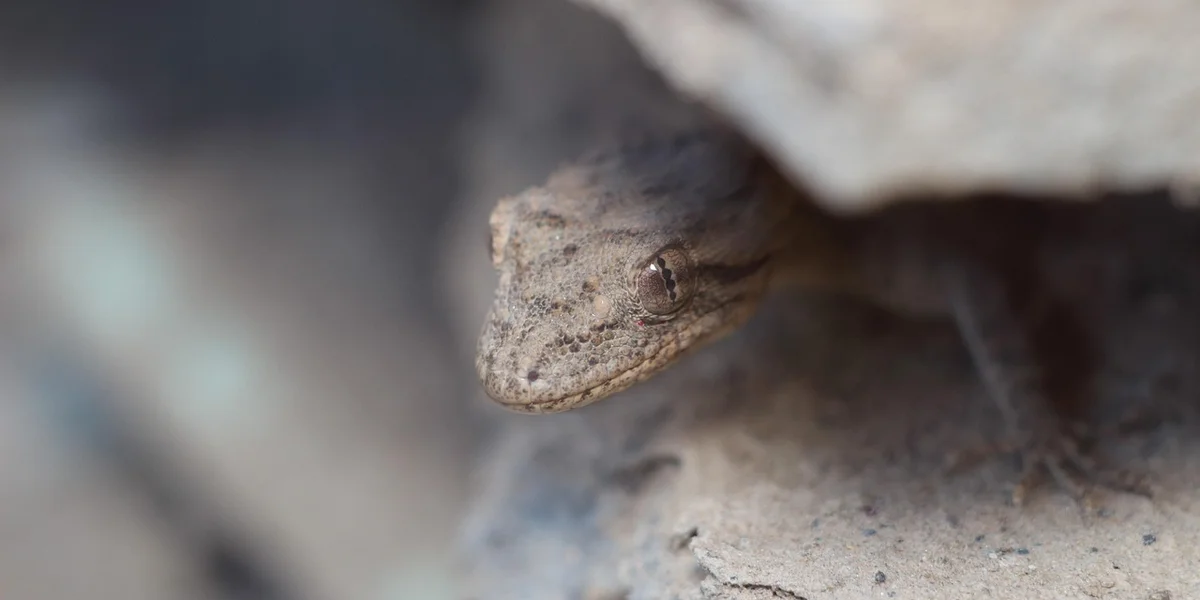
Not all gapes and puffs are created equal. Each gecko species has its own unique communication style, almost like a regional dialect. What’s a casual “hello” for one can be a serious warning from another. From my years of caring for my little crew, I’ve learned to read their specific tells.
How Common Pet Geckos Communicate Differently
Here’s a quick guide to help you understand what your gecko might be saying. I’ve included some of my own geckos as examples. Understanding gecko behavior and body language can make your bond even stronger.
| Species | Mouth Gaping (Context & Meaning) | Throat Puffing (Context & Meaning) | Personal Anecdote |
|---|---|---|---|
| Leopard Gecko | Often a pre-shed yawn to loosen skin. Rarely a defensive gesture. | Subtle puffing during breathing; pronounced puffing can signal stress or feeling threatened. | My High Yellow, Griffey, will gape widely right before a big shed. He then proudly basks as if posing for the crowd with his fresh new skin. |
| Crested Gecko | Common during and after eating to readjust their jaw. A quick, soft gape can be a simple stretch. | Frequent and pronounced. Used for scenting the air, showing excitement for food, or as a low-level warning. | Jeter, my Flame morph, will calmly puff his throat while perched high. It’s a sign of his calm confidence, like a team captain surveying his field. |
| African Fat-Tailed Gecko | Less common. Usually reserved for a serious threat and will be accompanied by a hiss. | A slow, deliberate inflation of their already chubby throat. This is a clear “back off” signal. | My Bold Stripe, A-Rod, is very territorial. If I rearrange his décor without asking, he’ll puff and stare me down, meticulously judging my work. |
| Gargoyle Gecko | Similar to Cresteds; often a post-meal jaw adjustment or a yawn after a nap. | Can look quite dramatic! Used for communication with other geckos and during high-energy activity. | My playful Mookie puffs his throat mid-leap between branches. It’s like he’s puffing himself up for the big play, diving for a catch. |
| Giant Day Gecko | Frequent and bold. They’ll gape as a primary defensive display, often while lunging. | Less about puffing and more about a full-body flattening to look bigger and more intimidating. | Babe, my food-motivated giant, will gape if I move too fast near his feeding ledge. His chubby tail means he’s built for power, not speed, but he’ll still put on a show. |
Key Behavioral Takeaways
- Context is everything. A gape during feeding means nothing. The same gape when you reach into the tank means everything.
- Observe your gecko’s baseline. Jeter’s calm puffing is normal, but if Griffey started doing it, I’d be concerned.
- Respect the warning. If a gecko puffs its throat and gapes, give it space. Forcing interaction after a clear signal undermines the trust you’re trying to build.
FAQs
What does it mean when a gecko puffs its throat without gaping its mouth?
Throat puffing without mouth gaping is often a territorial or defensive display to appear larger and ward off perceived threats.
Why might a gecko’s throat appear red during puffing?
A red throat during puffing can result from increased blood flow during intense displays or may signal irritation or inflammation if other symptoms are present.
Is throat puffing always a sign of aggression in geckos?
No, throat puffing can also occur during breeding behaviors or as a normal part of scenting the air and exploring their environment.
Can a red, puffed throat indicate a respiratory infection in geckos?
Yes, a red and puffed throat, especially with mucus or breathing sounds, can be a warning sign of a respiratory infection requiring veterinary attention.
How can I tell if my gecko’s throat puffing is due to stress or a health issue?
Monitor for additional signs like lethargy, loss of appetite, or wheezing, as isolated puffing is often stress-related, while combined symptoms suggest health problems.
The Final Word on Gecko Body Language
In short, your gecko’s open mouth or puffed throat is usually just normal gecko-talk, but it’s your job to learn the dialect. Most of the time, it’s harmless communication like shedding, temperature regulation, or simple curiosity. Pay close attention to the context—if the behavior is paired with wheezing, lethargy, or a loss of appetite, it’s time for a vet visit. These behaviors can be early warning signs of illness in geckos, such as respiratory infections. Early detection is key—seek veterinary advice if the pattern persists.
Being a great gecko owner means becoming a dedicated student of your pet’s unique personality and needs. I’ve learned more from quietly watching my own geckos than from any single care sheet. Stay curious, keep learning, and always advocate for the tiny, incredible life in your care.
Further Reading & Sources
- Why does my leopard gecko open her mouth wide …
- Leopard Gecko mouth gapping | Reptile Forums
- Leopard Gecko Pale and Opening Mouth: Expert Answers
The Gecko Guide is your ultimate resource for gecko enthusiasts, providing expert advice and practical tips to ensure the health and happiness of your scaly companions. Alexander is a passionate gecko owner with over a decade of experience in reptile care. We are dedicated to offering accurate, up-to-date information to support your gecko journey.Our mission is to foster a community of responsible gecko owners who are passionate about the well-being of these fascinating creatures.
Handling & Behavior Signs