
Why Do Geckos Shed and Eat Their Skin? A Complete Guide
Published on: April 30, 2026 | Last Updated: April 30, 2026
Written By: Alexander 'Gecko Geek' Johnson
Watching your gecko writhe and twist out of its own skin can be startling, and seeing it then eat that skin might just send you over the edge. Is this normal? Is something wrong? I remember the first time I saw my leopard gecko, Griffey, in the middle of a full-body shed; I was genuinely concerned he was hurt.
Let me put your mind at ease. I will help you understand this fascinating process by breaking down three key points:
- The crucial biological reasons geckos must shed their skin to survive and grow.
- Why eating the shed is a powerful, instinctual behavior rooted in survival.
- How to tell the difference between a perfectly healthy shed and one that signals a problem needing your help.
By the end of this guide, you’ll be able to watch your gecko shed with confidence, not concern. We will cover: gecko skin biology, the shedding cycle timeline, eating shed skin explained, problematic sheds, and creating the perfect shedding habitat.
What Is Gecko Shedding and Why Does It Happen?
Think of your gecko’s skin like a brand-new, perfectly fitting t-shirt. After a while, as they grow and live their lives, that shirt gets tight, faded, and a little worn out. Shedding, or ecdysis, is their way of taking off that old shirt and putting on a fresh, new one. Many leopard geckos will eat their shed skin after it comes off, to recycle nutrients and keep their environment tidy. They may not be hungry while the actual shedding is happening, but eating usually resumes once the shed is complete.
It’s a completely natural and necessary process for their health. I’ve watched my leopard gecko, Griffey, go through this many times, and it always signals a new growth spurt.
The Core Reasons for Shedding
Geckos shed for a few fundamental, biological reasons:
- Growth: Unlike our skin, which stretches, their skin is relatively inelastic. To get bigger, they must literally step out of their old skin.
- Skin Renewal: Shedding replaces old, damaged, or parasite-laden skin with a clean, healthy layer. It’s like a full-body reset.
- Healing: Minor cuts, scrapes, and scars are often healed or significantly improved after a successful shed.
Watching your gecko shed is a clear sign they are healthy and thriving. If they stop shedding on a regular schedule, it’s a major red flag that something is wrong in their environment or health. For hatchlings, signs your gecko is thriving include a strong appetite, bright activity, and smooth, glossy skin that sheds regularly. These cues together help confirm they’re growing healthy.
How Often Should You Expect a Shed?
The schedule varies dramatically with age. My young Mookie Betts seems to shed every other week, while my older Babe Ruth does it much less frequently.
- Juveniles & Hatchlings: Can shed as often as every 1-2 weeks due to rapid growth.
- Adults: Typically shed every 4-8 weeks once their growth has slowed.
You’ll know a shed is coming when your gecko turns a dull, grayish, or milky color. These are classic appearance signs to look for when identifying a gecko’s shedding stage. Their vibrant patterns will seem to fade behind a hazy curtain. This is completely normal and means the process has begun! Being aware of these signs helps you prepare for a safe shed.
The Surprising Reason Geckos Eat Their Shed Skin
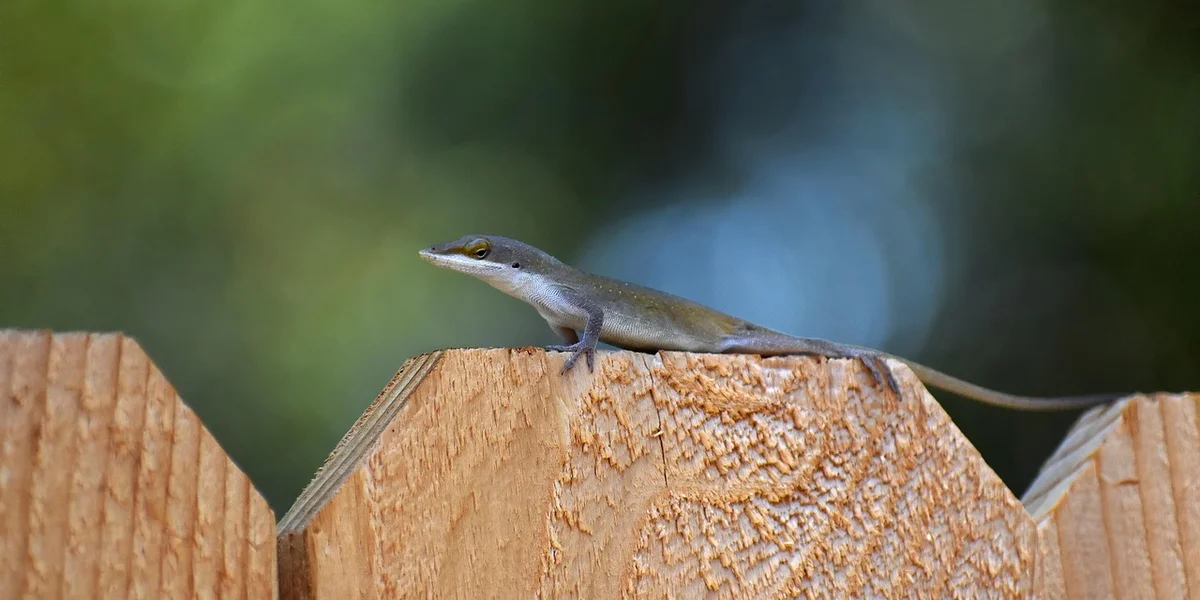
I’ll never forget the first time I saw Jeter meticulously consume his entire shed. It looked so strange, but I soon learned it’s one of the most instinctual and clever behaviors they have.
This isn’t a weird quirk; it’s a survival strategy honed by millions of years of evolution. In the wild, leaving a scent-filled skin behind is like leaving a neon sign for predators saying “Dinner Was Here!” By eating it, they erase the evidence.
The Hidden Nutritional Benefits
Beyond just hiding their tracks, there’s a powerful nutritional incentive. That old skin is packed with proteins and minerals that are costly for their bodies to produce.
- Resource Recycling: Eating the shed allows them to reabsorb precious nutrients, making the energy-intensive process of shedding more efficient.
- No Waste: In the wild, food can be scarce. This behavior ensures nothing goes to waste, a principle my food-motivated Babe Ruth certainly appreciates!
From my experience, a gecko that consistently eats its shed is a gecko with strong, healthy instincts. You should actually be pleased to see this behavior, as it indicates a comfortable and secure animal.
What If Your Gecko Doesn’t Eat Its Shed?
Don’t panic if you don’t always see it happen. Sometimes they’ll eat it so quickly you’ll miss it. Other times, they might leave a piece behind.
- It’s fine to gently remove any leftover shed from the enclosure.
- If they never eat any of it, it could be a minor sign of stress, but it’s not usually a primary concern on its own.
The main thing is that the shed itself comes off completely. Whether they eat it or not is a fascinating secondary behavior that speaks to their incredible evolutionary history.
How Often and How Long Shedding Takes for Different Geckos
Geckos shed their skin at different rates based on species, age, and health. Young geckos shed more frequently than adults because they are growing rapidly and have a higher growth rate. I’ve seen this firsthand with my own pets, like Mookie, my Gargoyle Gecko, who sheds every two weeks as a youngster.
Leopard Geckos
Leopard Geckos, such as my energetic Griffey, shed about every 2-4 weeks when young. As they mature, shedding slows to once every 4-8 weeks. The process usually takes 1-2 days from start to finish.
Crested Geckos
Crested Geckos like Jeter shed roughly every 2-3 weeks. Their shedding is often quick, lasting just a few hours to a full day. Jeter’s calm nature means he handles it without fuss, often perching high as his old skin peels away.
African Fat-Tailed Geckos
My A-Rod, an African Fat-Tailed Gecko, sheds every 3-6 weeks. This species tends to take 1-3 days to complete shedding. A-Rod’s territorial behavior means I give him extra space during this time.
Gargoyle Geckos
Gargoyle Geckos, including playful Mookie, shed every 2-4 weeks. Shedding duration is brief, often just a day or less. Mookie’s climbing bursts help him rub off loose skin effortlessly.
Giant Day Geckos
Giant Day Geckos like Babe shed every 3-5 weeks. Their shedding is fast, usually wrapping up in under 24 hours. Babe’s bold personality means he basks openly even as his skin changes.
- Frequency decreases with age across all species.
- Health issues or stress can alter shedding schedules.
- Always monitor humidity to support smooth shedding.
Signs Your Gecko Is Shedding Properly
Recognizing healthy shedding helps you ensure your gecko’s welfare. A proper shed involves the skin coming off in large, intact pieces. Maintaining the right habitat humidity makes shedding easier. A damp hide and regular monitoring can help your gecko shed smoothly. From my experience, when Griffey sheds well, he looks refreshed and vibrant afterward.
Your gecko’s behavior changes are key indicators. They may rub against decor or hides to loosen skin, which is completely normal. Jeter, for example, gently scrapes his head on branches without any irritation.
Watch for visual cues like dull or cloudy eyes and faded skin color. These signs mean the shedding process has started correctly. I’ve noticed Babe’s bright green turns muted right before he sheds.
Eating the shed skin is a positive behavior. Geckos do this to recycle nutrients and hide evidence from predators. My geckos, like A-Rod, always consume their shed, leaving no mess behind.
- Skin appears loose and peels easily without force.
- No leftover skin on toes, eyes, or tail tip.
- Gecko remains active and resumes normal behavior quickly.
- Humidity levels in the terrarium are maintained appropriately.
If shedding goes smoothly, your gecko will seem comfortable and hungry soon after. Providing a moist hide can prevent complications like stuck shed. I always check Mookie’s toes and tail to ensure everything came off cleanly. Understanding shedding problems can help you recognize early warning signs and take action before issues worsen. If you see persistent stuck shed or irritated skin, consult a reptile veterinarian for tailored advice.
Common Shedding Problems and How to Spot Them
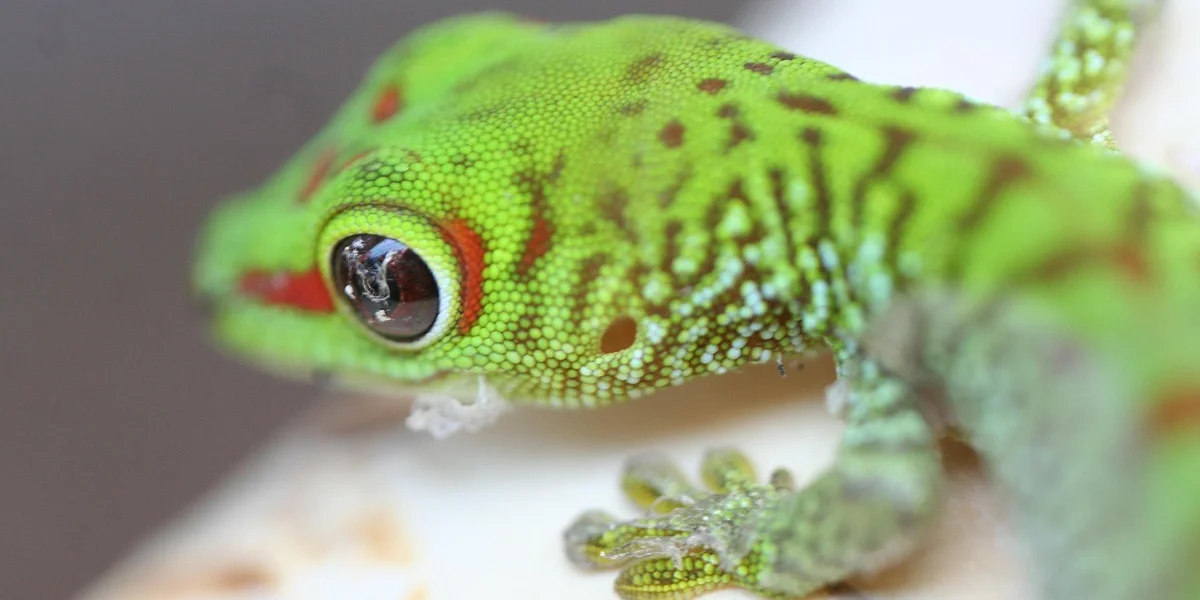
Even with the best care, shedding issues can pop up. I’ve had to help my gecko, A-Rod, more than once when a patch on his tail just wouldn’t budge. Stuck shed, especially on toes and the tail tip, is a medical emergency that can lead to infection or loss of the digit. You need to know what to look for. These are common crested gecko health problems, and knowing their solutions matters. With the right humidity, careful handling of shedding, and timely vet input, you can prevent most issues from becoming emergencies.
Signs of a Bad Shed (Dysecdysis)
- Dull, flaky skin that remains for more than 48 hours.
- Small pieces of tight, papery skin stuck to the toes, looking like tiny socks.
- Patchy, opaque skin on the face, eyes, or tail that won’t come off.
- Your gecko is rubbing against décor excessively with no success.
- Loss of appetite or signs of agitation and stress.
My crested gecko, Jeter, once had a tiny ring of skin stuck on one toe. I spotted it because he kept favoring that foot. Acting quickly is what saved his toe from any permanent damage.
Step-by-Step Guide to Helping Your Gecko Shed Safely
If you see stuck shed, don’t panic and never, ever pull it off. You could tear their brand-new, delicate skin underneath. This is the safe, step-by-step method I use with all my geckos.
- Prepare a “Spa” Container. Find a small plastic container with a lid. Poke air holes in the top. Line the bottom with a warm, wet paper towel or sphagnum moss. It should be humid and warm, not hot.
- Let Them Soak. Gently place your gecko inside and put the lid on. Let them sit in this warm, humid environment for 15-20 minutes. This rehydrates the old skin.
- Encourage the Skin to Slough. After the soak, you can let them crawl through your fingers or a damp washcloth. The friction often helps the skin come loose on its own.
- For Stubborn Pieces. Use a moistened cotton swab to gently roll against the direction of the stuck skin. If it doesn’t come off easily, stop and return your gecko to the spa for another 10 minutes.
- Double-Check Toes and Tail. Ensure every single bit is removed, especially from the toes and tail tip. A magnifying glass can help.
The goal is to let the moisture do the work, not your fingers. If you’re ever unsure or the skin is stuck around the eyes, a reptile veterinarian is your best bet.
Preventing Shedding Issues in Captivity
An ounce of prevention is worth a pound of cure, and this is especially true for gecko shedding. After helping Jeter, I revamped my entire humidity strategy.
Your Proactive Shedding-Prevention Checklist
- Provide a Humid Hide. This is non-negotiable. Every gecko enclosure needs a hide box filled with damp sphagnum moss or a similar moisture-holding substrate.
- Monitor Humidity with a Digital Gauge. Analog hygrometers are often inaccurate. A digital one lets you track the humidity accurately and mist accordingly.
- Mist the Enclosure. Increase misting slightly when you see your gecko start to look dusty or pale. I mist my cresties’ and gargoyle’s tanks twice daily when they are in shed.
- Offer a Rough Surface. Pieces of cork bark, stone, or rough branches give your gecko perfect surfaces to rub against and start the shed.
- Ensure Proper Nutrition. A well-fed gecko with a healthy fat store in its tail has the energy and resources for a perfect shed. Gut-load your feeder insects for an extra vitamin boost.
Creating a habitat that mimics their natural rainy-season conditions is the single most effective thing you can do to prevent shedding problems. It makes the whole process effortless for them and worry-free for you.
FAQs
What causes geckos to shed their skin?
Shedding occurs to accommodate growth and replace old or damaged skin for overall health.
How can I tell if my gecko is about to shed?
Your gecko will appear dull or cloudy in color and may show reduced activity levels.
What should I do if my gecko has stuck shed?
Soak the affected area in warm water and gently assist with a damp cotton swab to loosen the skin.
Is it necessary for geckos to eat their shed skin?
While not essential, eating the shed provides nutritional recycling and helps conceal their presence from predators.
How does humidity affect the shedding process?
Proper humidity levels prevent stuck shed by keeping the skin flexible and easy to remove.
Final Words
Your gecko’s shed cycle is a natural, healthy process driven by growth and renewal, and their skin-eating is a brilliant instinct for nutrition and concealment. As geckos age, their shedding can change, and diet quality can influence how smoothly each shed goes. Younger geckos shed more often during growth, while older ones may shed less often if nutrition or humidity fall short. In fact, age and diet influence shedding, so by providing a proper humid hide and a well-balanced diet, you create the perfect environment for a clean, full shed every time.
Owning a gecko is a wonderful journey of continuous learning, and paying close attention to their behavior is your most powerful tool. I’ve learned more from watching my own geckos than from any book, and I encourage you to embrace that same curious, caring spirit for your pet’s entire life. Understand your gecko’s behavior and temperament.
Further Reading & Sources
- Guide to Leopard Gecko Shedding | Blog | Long Island Bird and Exotics Pet Vet
- How Often Do Leopard Geckos Shed? | PBS Pet Travel
- Crested Gecko Shedding and How To Help Your Gecko Shed! – Zen Habitats
The Gecko Guide is your ultimate resource for gecko enthusiasts, providing expert advice and practical tips to ensure the health and happiness of your scaly companions. Alexander is a passionate gecko owner with over a decade of experience in reptile care. We are dedicated to offering accurate, up-to-date information to support your gecko journey.Our mission is to foster a community of responsible gecko owners who are passionate about the well-being of these fascinating creatures.
Shedding & Skin Health