
Are Geckos Nocturnal or Diurnal? Activity Patterns Explained
Published on: May 23, 2026 | Last Updated: May 23, 2026
Written By: Alexander 'Gecko Geek' Johnson
If you’ve ever wondered why your gecko seems to sleep all day and party all night, you’re asking the right question. Getting their activity pattern wrong can lead to stress for your pet and confusion for you.
I’ve learned this through years of sharing my home with my own crew of geckos. I will help you cut through the confusion by explaining the three key takeaways every owner needs to know.
- The common labels of “nocturnal” and “diurnal” are often oversimplified for geckos.
- Your gecko’s species is the single biggest predictor of its active hours.
- Matching your care to their natural rhythm is crucial for their health and happiness.
You will get clear, experience-based advice to understand your unique pet. This article covers the core facts you need.
Gecko species breakdown, crepuscular activity, tank lighting tips, behavior signs, and common myths. We debunk common gecko behavior myths with science-based explanations. Learn which beliefs are myths and what behaviors are actually typical.
What Are Nocturnal, Diurnal, and Crepuscular Behaviors?
Think of animal activity like shifts in a 24-hour factory. Each behavior is a different work schedule, perfectly adapted for survival.
Nocturnal animals are the night-shift workers. They are most active from dusk until dawn. Their world is built on enhanced senses like smell and hearing to navigate the dark.
Diurnal animals are the day-shift crew. They are up with the sun and wind down as it sets. They rely heavily on their vision to find food and interact with their world.
Crepuscular animals are the twilight specialists, clocking in for the dawn and dusk hours. This is a brilliant survival strategy to avoid the extreme heat of the day and the keen hunters of the deep night.
Common Pet Gecko Species and Their Daily Rhythms
Not all geckos operate on the same schedule. Knowing your gecko’s natural rhythm is the first step to providing excellent care. I’ve learned this through years of sharing my home with my own quirky crew.
Nocturnal Geckos: Masters of the Night
These are your classic, stealthy nighttime prowlers. In my experience, their terrariums truly come alive after you’ve turned off the lights.
- Crested Geckos: My Jeter is a perfect example. He spends the day sleeping soundly in a foliage hide and becomes remarkably agile once the sun goes down, exploring every leaf and branch.
- Gargoyle Geckos: My Mookie’s playful leaps always happen in the evening. They are built for a life in the dark, using their sticky toe pads to navigate vertical surfaces with ease.
- African Fat-Tailed Geckos: My A-Rod is a true creature of the night. He prefers the cover of darkness for all his activities, from hunting to rearranging his terrain.
Diurnal Geckos: Sun-Loving Show-Offs
These geckos break the mold! They are active, alert, and absolutely brilliant to observe during the day.
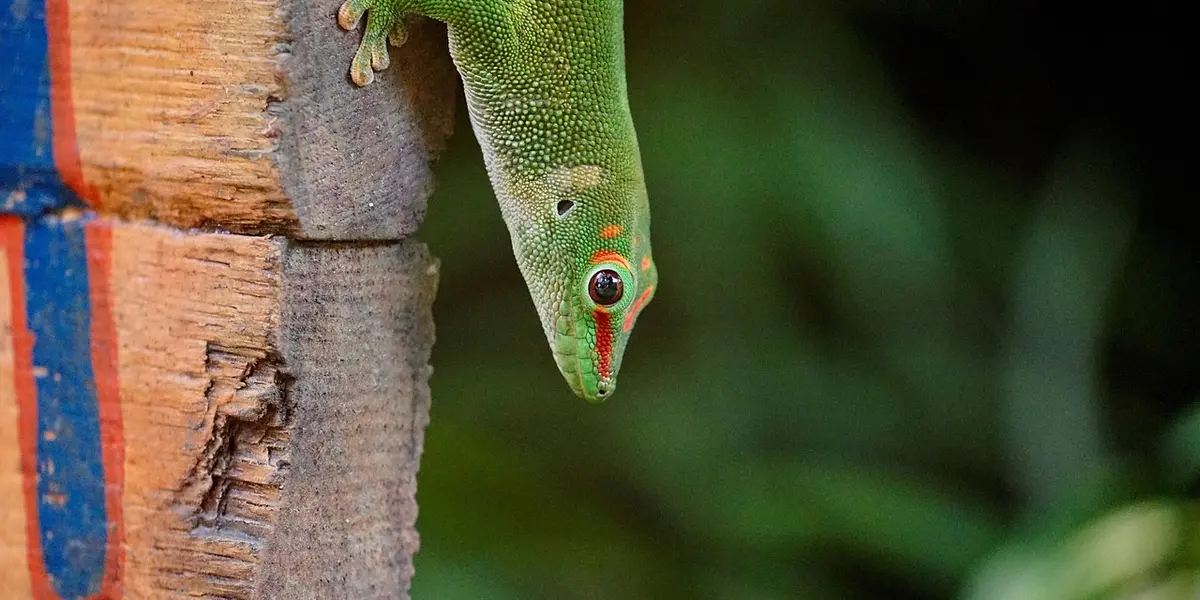
- Giant Day Geckos: My Babe is a total sun-worshipper. He spends his days basking under his lamp, boldly waiting for food, and displaying his vibrant green color in plain sight.
- Gold Dust Day Geckos: These are high-energy, dazzling geckos that are a pure joy to watch as they go about their business in the daylight.
Diurnal geckos require specialized lighting that provides UVB, which is crucial for their health and well-being. UVB lighting is especially important for reptiles that are active during the day, as it helps them synthesize vitamin D3 and maintain proper calcium metabolism.
Crepuscular Geckos: Dawn and Dusk Specialists
This group operates during the “in-between” times. Many popular beginner geckos fall into this category, making their active hours convenient for pet owners.
- Leopard Geckos: My Griffey is the king of the twilight. He’ll often start becoming active in the early evening, posing under his heat mat, and is most lively for a few hours after dusk and before dawn.
- Other Eublepharids: This family, which includes leopard geckos, are generally crepuscular. They have movable eyelids and lack sticky toe pads, adaptations for their terrestrial, low-light lifestyle.
Watching a crepuscular gecko emerge for the evening is one of my favorite parts of the day. It’s their special time to hunt and explore.
How Activity Patterns Affect Your Gecko’s Care
Feeding Schedules That Match Their Internal Clock
Feeding your gecko when they’re naturally active prevents wasted food and reduces stress. I time meals for my crew based on their species-specific rhythms, and it makes a huge difference in their appetite and digestion. Nocturnal geckos like my Leopard Gecko Griffey get fed in the early evening, right as he starts prowling his hides. Diurnal ones, like Babe my Giant Day Gecko, eagerly snatch insects from my tweezers under his daytime basking lamp.
Here’s a simple feeding guide I follow:
- Nocturnal (Leopard, Fat-Tailed, Gargoyle): Offer food 1-2 hours after lights go out.
- Diurnal (Giant Day Gecko): Feed during daylight hours, when they’re most alert.
- Crepuscular (Crested Gecko): Provide food at dawn or dusk-my Jeter loves his fruit mix right as the sun sets.
Missed feedings can happen if you ignore their clock. Sticking to a consistent schedule helps your gecko feel secure and keeps their metabolism running smoothly.
Handling and Interaction Do’s and Don’ts
Respecting your gecko’s active hours is key to building trust. I never handle my geckos when they’re sleeping-it startles them and can lead to defensive bites or dropped tails. My energetic Mookie, a Gargoyle Gecko, leaps away if I bother him during his midday nap, but he’s curious and climbable during his evening activity bursts.
Follow these do’s and don’ts for stress-free interactions:
- DO handle during their typical awake periods, like early evening for nocturnals.
- DON’T reach into hides or disturb resting spots-it invades their safe space.
- DO watch for calm behavior; my Crested Gecko Jeter will calmly walk onto my hand when he’s ready.
- DON’T force interaction if they’re hiding or showing stress colors (like a darkened tail).
Patience pays off—letting your gecko initiate contact strengthens your bond and keeps them happy. It’s an important part of building a relationship with them.
Setting Up the Perfect Habitat for Your Gecko’s Schedule
Lighting and Heating for Natural Rhythms
Proper lighting mimics the sun and tells your gecko when to be active or rest. I use timers on all my enclosures to create a consistent 12-hour day/night cycle, which prevents confusion and supports healthy sleep patterns. Mimicking natural day-night cycles is essential for optimal gecko health, helping regulate hormones, metabolism, and behavior. A stable rhythm reduces stress and supports regular shedding. For diurnal geckos like Babe, I provide a bright UVB light and a basking spot that reaches about 85°F-he soaks it up like a sunbather! Nocturnal species don’t need UVB, but they still benefit from gentle ambient heat and a clear day-night contrast.
Here’s what works in my setups:
- Nocturnal: Low-wattage heat mats or ceramic heat emitters for warmth without light at night.
- Diurnal: Full-spectrum UVB bulbs and basking lamps set on a timer for daytime hours.
- All geckos: A digital thermostat to avoid overheating-I learned this after A-Rod’s enclosure got too warm once!
Consistent temperatures and light cycles are non-negotiable for your gecko’s well-being and activity levels. Lighting temperature can also shape gecko behavior, influencing activity patterns and basking. Understanding how light temperature affects behavior helps you tailor your enclosure for natural rhythms.
Hiding Spots and Shelter Essentials
Hides are your gecko’s bedroom and safe haven for when they’re inactive. I include at least two hides per gecko—one on the warm side and one on the cool side—so they can choose based on their comfort. Geckos vary in their hide preferences, so offering multiple types helps each pick what feels safest. From cork bark caves to open-front hides and vine-tied tubes, different options cater to different temperaments and needs. My territorial A-Rod, an African Fat-Tailed Gecko, meticulously rearranges his cork bark hides to block entrances during the day. For arboreal species like Mookie, vertical hides and dense foliage mimic their natural tree canopy retreats.
Essential hiding spots to include:
- Ground hides: Coconut huts or rock caves for terrestrial geckos like Leopards.
- Climbing hides: Flukers bamboo tubes or magnetic ledges for Crested and Gargoyle geckos.
- Moist hides: Sphagnum moss-filled containers to aid shedding-Griffey loves his humid hide after a busy night.
A well-stocked habitat with plenty of cover reduces anxiety and lets your gecko behave naturally, day or night. In gecko habitat husbandry, this translates to a safe enclosure, appropriate substrate, and multiple hides to mimic natural shelter. Regular maintenance and stable environmental conditions support ongoing welfare.
Choosing the Right Gecko for Your Lifestyle
Your own daily rhythm is the most important factor in picking a gecko companion. Matching their active hours to your available time is the secret to a rewarding relationship where you actually get to see and interact with your pet. I learned this the hard way with my first gecko, a nocturnal species, when I was working a standard 9-to-5 job. I barely saw the little guy!
Geckos for Busy Daytime Owners
If you’re at work or school all day and free in the evenings, a diurnal (day-active) gecko is your perfect match. You’ll get to witness their full, vibrant personalities.
- Giant Day Geckos: These are the superstars of the daytime world. My gecko, Babe, is a classic example-bold, brightly colored, and always out basking under his light. They are visual stunners but often too fast and fragile for frequent handling. They thrive when you watch them like living art.
- Morning Geckos: A fascinating and tiny option! They are parthenogenetic, meaning you only need one female (and you’ll soon have many!). They are most active in the early morning and late afternoon, creating a flurry of tiny movement. Perfect for the coffee-sipping observer.
Owning a diurnal species means you are responsible for providing intense, full-spectrum lighting to mimic the sun. This non-negotiable setup directly supports their health and activity cycles.
Geckos for Nighttime Enthusiasts
Are you a night owl who enjoys winding down after dark? Then the mysterious world of nocturnal geckos is for you. Do geckos need heat at night? The answer varies by species, but many nocturnal geckos still benefit from a warm night temperature to stay active and healthy. Their care is different but incredibly rewarding.
- Leopard Geckos: This is the quintessential beginner gecko for a reason. My gecko Griffey is a textbook high-energy leopard gecko. They become active at dusk, are generally calm-handled, and have simple dietary needs. You can enjoy their evening explorations right when you get home from work.
- Crested Geckos: Jeter, my crested gecko, is the definition of a calm, arboreal companion. They are superb climbers who become lively in the evening, often leaping between branches. Their diet is simplified with prepared powdered food, making care a breeze.
- African Fat-Tailed Geckos: Think of these as the calmer, more humidity-loving cousin of the leopard gecko. My A-Rod prefers a more secluded, humid terrarium and is less likely to be out and about constantly. They are a great choice if you prefer a pet you observe more than handle.
- Gargoyle Geckos: With a personality as unique as their appearance, these geckos are pure joy. My Mookie showcases their playful nature with sudden, powerful bursts of climbing activity after lights out. They are hardy and can be quite personable once they settle in.
Nocturnal geckos do not require special UVB lighting, but they absolutely need a distinct day/night cycle and a reliable heat source to properly regulate their metabolism. Geckos rely on light cues to run their daily rhythms, so a consistent day/night cycle is essential even if UVB isn’t required. Keep lights on a regular daytime schedule and off at night to mimic natural conditions and support their metabolism. A simple under-tank heater often does the trick.
FAQs
Can I train my gecko to be active during the day?
No, geckos have innate, species-specific activity patterns that cannot be altered through training without causing stress and health problems.
What are the health risks of incorrect lighting for geckos?
Incorrect lighting can lead to stress, digestive issues, and metabolic bone disease, particularly in diurnal species that require UVB for proper calcium absorption.
How do I know if my gecko is stressed due to mismatched activity patterns?
Signs of stress include loss of appetite, excessive hiding, and changes in coloration or behavior, indicating their natural cycle is being disrupted.
The Final Word on Gecko Activity
Ultimately, knowing if your gecko is nocturnal, diurnal, or crepuscular is your first step to providing excellent care. Match your care to their natural clock by setting up lighting and feeding schedules that align with their active hours. This simple adjustment helps reduce stress and supports their long-term health and happiness. A calm, low-stress habitat goes hand in hand with these steps. There are effective techniques and environmental fixes you can use to support a stressed gecko.
Your gecko relies on you to replicate the rhythms of their wild habitat. Being a great gecko owner means committing to continuous learning and observing your unique pet. Keep researching, ask questions, and use trusted resources to ensure your scaly friend thrives for years to come.
Further Reading & Sources
- Are Geckos Nocturnal Or Diurnal? Their Sleep Behavior Explained – A-Z Animals
- Into the light: diurnality has evolved multiple times in geckos …
- r/geckos on Reddit: how much will i actually see a nocturnal gecko, and if hardly at all, what are some alternative diurnal, arboreal lizards?
The Gecko Guide is your ultimate resource for gecko enthusiasts, providing expert advice and practical tips to ensure the health and happiness of your scaly companions. Alexander is a passionate gecko owner with over a decade of experience in reptile care. We are dedicated to offering accurate, up-to-date information to support your gecko journey.Our mission is to foster a community of responsible gecko owners who are passionate about the well-being of these fascinating creatures.
Behavior and Socialization