
Best Commercial Diets for Leopard Geckos
Published on: May 25, 2026 | Last Updated: May 25, 2026
Written By: Alexander 'Gecko Geek' Johnson
Choosing the right commercial diet for your leopard gecko can feel overwhelming with so many powders, pellets, and pre-made foods lining pet store shelves. I’ve watched my own gecko, Griffey, turn his nose up at certain brands and absolutely devour others.
I will help you cut through the confusion by breaking down what truly matters in a commercial gecko diet. We will cover:
- The critical nutritional components every good diet must have.
- A direct comparison of the most popular and trusted brands available.
- How to correctly prepare and feed these diets for a happy, healthy gecko.
You will get clear, straightforward advice based on years of hands-on experience. This article covers: commercial diet types, key ingredients to look for, top brand reviews, feeding schedules, and common mistakes to avoid.
Why Your Leopard Gecko Might Love Commercial Diets
You might be surprised by how eagerly your gecko takes to a prepared meal. I know I was when my high-yellow leopard gecko, Griffey, practically dove into his first dish of gel food. Commercial diets offer a level of convenience and nutritional consistency that live feeders alone sometimes struggle to match. They are formulated by reptile nutritionists to be a complete meal, taking the guesswork out of supplement dusting. Still, it’s important to understand whether live food is necessary for proper nutrition.
Beyond just being easy for you, these diets can be a game-changer for your pet. For geckos that are lazy hunters, recovering from illness, or just a little picky, the strong, fruity, or insect-based aromas can be irresistible. The soft, easy-to-swallow textures are a major win for juvenile geckos or adults with dental issues. I’ve found it takes the stress out of mealtime for both me and my geckos.
Top Commercial Diet Picks for Leopard Geckos
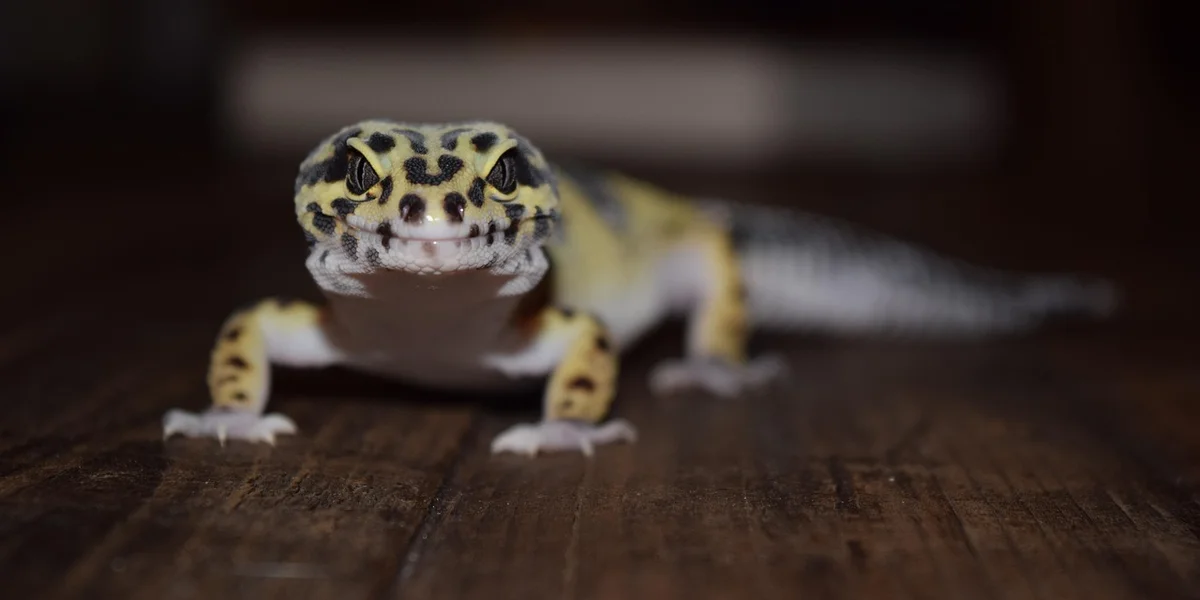
Gel-Based Diets: Moist and Easy to Eat
Think of these as nutrient-packed gecko Jell-O. You mix a powder with water, it sets into a soft gel, and you serve it. This is my go-to for hydration. The high moisture content is a fantastic way to supplement your gecko’s water intake, which is crucial for preventing impaction and aiding shedding.
My crested gecko, Jeter, adores his gel diet, and many leopard gecko owners report the same enthusiasm. The texture is gentle on their mouths, making it perfect for every life stage.
- Best For: Hydration support, picky eaters, and geckos of all ages.
- Preparation: Simple mix-and-set process. Make small batches as it spoils.
- Pro Tip: Offer it in a shallow, easy-to-clean dish to avoid a sticky mess.
Powder Mixes: Versatile and Nutrient-Dense
These are the workhorses of the commercial diet world. You typically mix these fine powders with water to create a paste or a thicker slurry. The major advantage here is control; you can adjust the thickness to your gecko’s personal preference. This versatility makes it a brilliant option for mixing in extra supplements or even pureed insects for a flavor boost.
I often use a high-quality powder mix as a base and then get creative. This method gives you the peace of mind that your gecko is getting a balanced diet, even on days they refuse their crickets.
- Best For: Owners who want customization and maximum nutrient density.
- Preparation: Requires mixing to the right consistency-not too runny, not too thick.
- Pro Tip: A dash of bee pollen can make the mix even more enticing for hesitant geckos.
Dry Pellet Options: For the Mess-Averse Owner
If you want a “dump and serve” solution, dry pellets are worth a look. They are shelf-stable, have little to no odor, and create virtually no mess. This can be a great low-maintenance choice for a backup food or for travel situations.
A word of caution from experience: not all geckos recognize these hard little kibbles as food. You may need to rehydrate the pellets with a few drops of water to soften them and release a scent. Always monitor your gecko to ensure they are actually eating them and not just ignoring the unfamiliar shape.
- Best For: Cleanliness, convenience, and as a reliable backup food source.
- Preparation: Typically ready-to-serve, but may require moistening.
- Pro Tip: Crush a few pellets and sprinkle them over live feeders to help your gecko associate the smell with food.
Understanding Leopard Gecko Nutritional Must-Haves
Feeding your leopard gecko isn’t just about stopping hunger. It’s about providing the specific building blocks their bodies need to thrive. I learned this the hard way with my first gecko, Griffey. Getting the core nutrients right is the single most important factor in preventing common health issues. When you tune into their leopard gecko feeding behavior, you can spot common issues like picky eating or inconsistent appetite early. This helps you adjust feeding plans before problems escalate.
Protein Power: Fueling Your Gecko’s Energy
Leopard geckos are pure insectivores. They need animal-based protein to power their energetic antics and maintain healthy muscle. Not all feeder insects are created equal. A complete leopard gecko diet feeding guide explains which insects to feed and how often. It also covers proper supplementation.
- Dubia Roaches & Crickets: These are my top picks. They offer a fantastic protein-to-fat ratio and are less messy than some other options.
- Black Soldier Fly Larvae (Calciworms®): A powerhouse of calcium, making them an excellent staple. Griffey goes wild for their wiggling.
- Mealworms & Superworms: Good for variety, but use them sparingly. They have a higher fat content and a tougher exoskeleton (chitin) that can be harder to digest.
Always gut-load your feeder insects for 24-48 hours with high-quality veggies before offering them to your gecko. This turns the insect into a nutritious, vitamin-packed meal. In the broader debate of freshly prepared diets vs live insects, gut-loading helps boost the insect’s nutrient profile. That matters for the gecko’s nutritional breakdown and overall health.
Calcium and Vitamins: Building Strong Bones
This is the part most new owners overlook, and it’s a critical mistake. Without proper calcium, your gecko can develop Metabolic Bone Disease (MBD), a painful and debilitating condition.
- Calcium with D3: D3 helps your gecko absorb calcium. Since they are crepuscular (active at dawn/dusk), they don’t get much natural sunlight. You must provide D3 through their diet. Lightly dust insects with this powder at most feedings.
- Plain Calcium: Keep a small dish of pure calcium carbonate (no D3) in the enclosure at all times. Your gecko will self-regulate and lick from it as needed. I see Jeter do this often.
- Multivitamins: A good reptile multivitamin provides essential nutrients like Vitamin A, which is crucial for eye and skin health. Dust insects with this once a week.
Watching a gecko with MBD struggle to walk is heartbreaking; a simple dusting routine completely prevents it.
How to Pick the Right Diet for Your Gecko’s Life Stage
Your gecko’s dietary needs change dramatically as they grow. What fuels a baby won’t suit a senior. I adjust my feeding strategy for each of my geckos based on their age and activity level.
Juvenile Diets: Supporting Rapid Growth
Young geckos are like tiny, scaly teenagers with boundless energy for growth. They need a lot of fuel.
- Feed Daily: Offer as many appropriately-sized insects as they can eat in a 10-15 minute period.
- Insect Size: Prey should be no larger than the space between your gecko’s eyes. For juveniles, this usually means small crickets or pinhead dubias.
- Supplement Heavily: Dust insects with calcium + D3 at almost every feeding. Use a multivitamin twice a week to support their developing immune system.
This intensive feeding schedule is temporary but non-negotiable for building a strong, healthy adult.
Adult Diets: Maintaining Healthy Weight
Once your gecko reaches adulthood (around 12-18 months), their metabolism slows down. Overfeeding is a real risk.
- Feed Every Other Day: Offer 5-8 suitably sized insects per feeding. Adjust this number based on your gecko’s body condition.
- Monitor Their Tail: The tail is a fat storage organ. A plump, but still tapered, tail indicates a healthy weight. A bulging, sausage-like tail means it’s time to cut back.
- Supplement Wisely: Continue dusting with calcium + D3, but you can reduce multivitamin use to once a week for maintenance.
An overweight gecko is an unhealthy gecko, prone to fatty liver disease and a shortened lifespan. It’s our job as owners to keep them fit.
Feeding Tips and Schedules for Commercial Diets
Getting your gecko on a consistent feeding schedule is just as important as the food you choose. My leopard gecko, Griffey, thrives on a predictable routine that mimics his natural hunting instincts. I’ve found this prevents picky eating and keeps him engaged. I make sure to tailor his routine based on his age, as new pups have different needs. For anyone starting out, I recommend learning how to create the perfect feeding schedule for juvenile vs adult geckos.
How Often to Feed Your Leopard Gecko
This depends entirely on your gecko’s age. Their metabolism changes significantly as they grow.
- Juveniles (Under 1 Year): Feed daily. They are growing machines and need the constant energy.
- Adults (Over 1 Year): Feed every other day, or 3-4 times a week. This prevents obesity, a common issue in captive geckos.
Portion Control is Key
Overfeeding is a fast track to health problems. A good rule of thumb is to offer as many insects as your gecko will eagerly eat in a 10-15 minute period. For my adult geckos, this is usually 6-8 appropriately sized dubia roaches or crickets per feeding.
My Proven Feeding Routine
This is the method I use every time for a stress-free meal.
- Prepare the Insects: I always gut-load the feeder insects with fresh veggies 24 hours before feeding. A well-fed bug is a nutritious bug.
- Dust with Supplements: I roll the insects in a calcium supplement right before feeding. More on this next.
- Use a Feeding Dish: I place the dusted insects in a shallow, escape-proof dish. This prevents them from hiding in the substrate and biting your gecko.
- Remove Uneaten Food: After 15 minutes, I take out any leftover insects. This keeps the tank clean and stops bugs from nibbling on your sleeping gecko.
Boosting Nutrition with Smart Supplementation
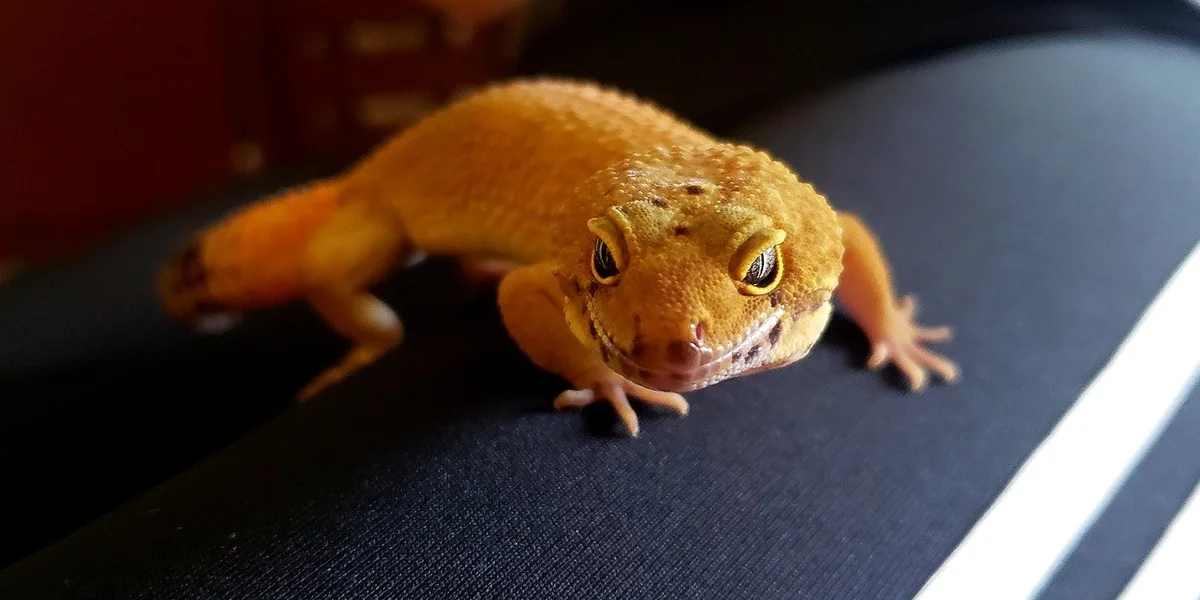
Even the best commercial diet needs a little help. In the wild, geckos get a vast array of minerals from the whole ecosystem; in a tank, we have to provide that ourselves. Proper supplementation is non-negotiable for preventing Metabolic Bone Disease (MBD), a heartbreaking and crippling condition.
The Two Supplements You Absolutely Need
Your supplement arsenal is simple but critical.
- Calcium with Vitamin D3: D3 helps your gecko absorb calcium. Since they are crepuscular (active at dawn/dusk) and don’t bask under a strong UVB light like a bearded dragon, they need D3 in their diet. I use this on almost every feeding for my geckos.
- Multivitamin: This provides a spectrum of other essential vitamins and minerals like Vitamin A. A deficiency in Vitamin A can lead to serious eye issues. I use a multivitamin once a week.
My Simple Supplement Schedule
I keep it easy to remember. For my adult leopard geckos:
- Monday & Thursday (Feeding Days): Calcium with D3
- Saturday (Feeding Day): Multivitamin
- Always Available: A small bottle cap of pure calcium (without D3) is left in the enclosure at all times. Geckos are great at self-regulating and will lick it up if they feel a deficiency.
Watch for a bright white chalky substance in their droppings-this is a sign they are properly processing and excreting excess calcium, which is exactly what you want to see. If you notice tremors, lethargy, or a soft jaw, consult a reptile vet immediately, as these are signs of MBD.
A Note on Hydration
Supplements and dry diets can be dehydrating. I always mist the tank lightly on feeding days and provide a shallow, clean water dish at all times (especially for hydration purposes). I often see my geckos, especially Griffey, take a long drink right after eating his dusted crickets.
When to Stick with Insects or Try Homemade Options
Commercial diets are fantastic, but they aren’t a one-size-fits-all magic bullet. For some geckos and specific life stages, a diet of live, gut-loaded insects is non-negotiable. I learned this firsthand with my gecko, Griffey, who went through a phase where he would turn his nose up at anything that wasn’t a wiggling mealworm. It’s crucial to know what live insects to feed your gecko to ensure they get proper nutrition.
Stick with Live Insects For These Geckos
You should primarily rely on live, gut-loaded insects if your leopard gecko falls into one of these categories.
- Juveniles and Hatchlings: Growing geckos need a tremendous amount of protein and fat to develop strong bones and bodies. They need daily feedings of appropriately sized insects like small crickets and dubia roaches.
- Breeding Females: Producing eggs is incredibly taxing. These females require extra calcium and nutrients that are most readily absorbed from a varied diet of gut-loaded insects.
- Picky Eaters: Some geckos, like my A-Rod, are set in their ways. Their strong hunting instinct is triggered by movement, and no paste will ever compare to the thrill of the chase.
- Geckos Needing Weight Gain: If your vet recommends bulking up your gecko, calorie-dense feeders like waxworms or superworms (as occasional treats) are more effective than commercial mixes.
Exploring Safe Homemade Food Options
Homemade gecko food can be a fun, supplemental treat. Think of these homemade blends as a nutritious snack, not a staple meal replacement. I occasionally make a small batch for my crew, and they go crazy for the fresh aroma.
Here is a simple, safe recipe you can try:
- Base: Puree a small amount of gut-loaded insects (like crickets or dubia roaches) into a very fine paste.
- Binder & Hydration: Mix in a tiny amount of pureed, gecko-safe fruit like papaya or mango. This adds moisture and a hint of sweetness.
- Nutrient Boost: Dust the entire mixture lightly with your calcium and vitamin supplements.
The biggest risk with homemade diets is creating a nutritional imbalance, which is why they should only be a small part of a broader, insect-based diet. You have complete control, but you also bear the full responsibility for its nutritional completeness. Always consult with an exotic vet before making any major dietary changes for your scaly friend.
FAQs
How can I transition my leopard gecko from live insects to a commercial diet?
Gradually introduce the commercial diet by mixing small amounts with their favorite live insects and slowly increasing the proportion over a week or two.
What is the shelf life of commercial gecko diets, and how should they be stored?
Most commercial diets should be stored in a cool, dry place and used before the expiration date to preserve their nutritional integrity and prevent spoilage.
Can commercial diets fully replace live insects in a leopard gecko’s diet?
While high-quality commercial diets are formulated to be complete, many experts recommend offering live insects occasionally for enrichment and to mimic natural feeding behaviors.
Are there any common health issues linked to feeding only commercial diets?
If not properly supplemented or if the diet is low-quality, relying solely on commercial food can lead to issues like obesity or nutrient deficiencies over time.
How do I know if a commercial diet is high quality for my leopard gecko?
Check for diets that list whole insects or high-protein sources as the first ingredient and are free from excessive fillers like grains or artificial additives.
Making the Right Choice for Your Gecko
When selecting a commercial diet, your best bet is a high-quality, insect-based formula that lists whole insects as the first ingredient. I always rotate between a couple of trusted brands for my geckos, like Griffey and Babe, to ensure they get a wide range of nutrients and never get bored of their meals. Remember to always gut-load any live feeders you offer to supercharge their nutritional value. It’s also beneficial to diversify their diet with different types of insects.
Your gecko’s health is a direct reflection of the care you provide. Commit to being a lifelong student of gecko care, because these incredible animals rely entirely on us for their wellbeing. Watch your pet closely, learn their unique preferences, and never stop seeking out new, reliable information to give them the best life possible. By staying proactive, you can help prevent many common gecko health problems—such as dehydration, metabolic bone disease, and respiratory infections—through proper enclosure conditions, nutrition, and hygiene.
Further Reading & Sources
- Leopard Gecko Complete Food Guide – Zen Habitats
- Leopard Gecko Diet & Feeding Guide: A MUST Read for a Healthy Pet!
- Leopard Geckos: Care and Feeding | VCA Animal Hospitals
The Gecko Guide is your ultimate resource for gecko enthusiasts, providing expert advice and practical tips to ensure the health and happiness of your scaly companions. Alexander is a passionate gecko owner with over a decade of experience in reptile care. We are dedicated to offering accurate, up-to-date information to support your gecko journey.Our mission is to foster a community of responsible gecko owners who are passionate about the well-being of these fascinating creatures.
Commercial Diets