
What is a Day Gecko? Your Complete Care Guide
Published on: June 2, 2026 | Last Updated: June 2, 2026
Written By: Alexander 'Gecko Geek' Johnson
You’ve seen pictures of stunningly bright green lizards and wondered, “Is a Day Gecko the right pet for me, or is their care too difficult for a beginner?” That’s the exact question I had before bringing my first one home.
I’m here to help you understand exactly what you’re getting into. We’ll cover the essentials so you can make an informed decision. Here are the key takeaways we’ll explore:
- Their unique personality and handling limitations.
- The straightforward setup needed for a healthy habitat.
- Their simple, but specific, dietary needs.
By the end of this guide, you’ll have a clear, confident understanding of Day Gecko care. We will cover: Species Information, Enclosure Setup, Diet and Feeding, Health and Lifespan, and Behavior and Handling.
What Exactly is a Day Gecko?
Day geckos are the rockstars of the gecko world, famous for their dazzling colors and sun-loving personalities. They belong to the Phelsuma genus and are diurnal, meaning they are wide awake and active during the day, unlike most other geckos who prefer the night. This daytime schedule is a huge perk for pet owners who actually get to watch their pet’s vibrant lives unfold.
These little jewels hail from tropical islands, with the vast majority calling Madagascar home. Others are found on surrounding islands in the Indian Ocean. Their brilliant greens, fiery reds, and electric blues aren’t just for show; this coloration helps them blend into the lush, sun-drenched forests they inhabit. Their native habitat tells you everything you need to know about the warm, humid, and vertically complex environment they need to thrive in captivity.
Compared to your average leopard gecko, day geckos have some truly unique quirks. They cannot blink because they lack movable eyelids. Instead, they keep their eyes clean and moist by licking them with their long tongues. Their feet are another marvel. They possess incredible toe pads lined with microscopic hairs that allow them to scale virtually any smooth surface, including glass. This makes them incredible acrobats but also means a secure lid on their enclosure is non-negotiable.
Popular Day Gecko Species for Pet Owners
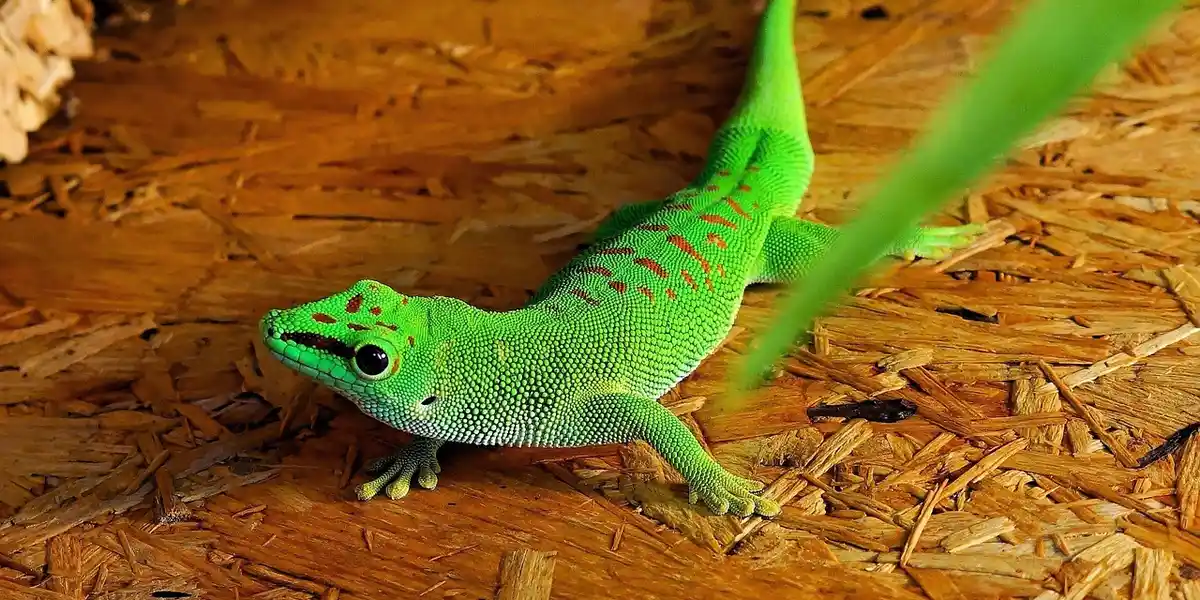
From my experience, choosing the right species is your first and most important step. Some are bold and personable, while others are better suited as stunning “look, don’t touch” display animals. For first-time owners, the best beginner geckos are the top 5 species known for being forgiving and easy to care for. Here are the most common day geckos you’ll find in the pet trade.
- Giant Day Gecko (Phelsuma grandis): The name says it all. This is the largest commonly kept species, reaching up to 12 inches. They are a vibrant green with red markings between the eyes and along the back. They can be skittish and are known for being fragile, so they are best for keepers who enjoy observing more than handling.
- Gold Dust Day Gecko (Phelsuma laticauda): A smaller, brilliantly green gecko speckled with gold dust-like spots on its back and a bluish tint around the eyes. They are energetic and a fantastic choice for a well-planted bioactive terrarium. They are more forgiving than giants but still quick to startle.
- Standing’s Day Gecko (Phelsuma standingi): A personal favorite for their robust size and incredible turquoise and black pattern. They are hardy but can be more territorial. I find their bold personalities captivating.
- Peacock Day Gecko (Phelsuma quadriocellata): A smaller species known for the beautiful blue “eyespot” markings on its back. They are less common but generally have a calm demeanor for a day gecko.
Here is a quick comparison to help you decide.
| Species | Adult Size | Color Pattern | Temperament |
|---|---|---|---|
| Giant Day Gecko | 10 – 12 inches | Bright green with red speckles/markings | Bold but skittish; not for handling |
| Gold Dust Day Gecko | 4 – 6 inches | Light green with gold specks | Active and flighty; display animal |
| Standing’s Day Gecko | 8 – 10 inches | Turquoise with black bars or spots | Hardy but can be territorial |
For a beginner, the Gold Dust Day Gecko is often the most recommended. Their smaller size, relative hardiness, and slightly more adaptable nature make them a great introduction to the Phelsuma genus. My Giant Day Gecko, Babe, is a magnificent animal, but his food-motivated boldness can be overwhelming for a first-timer. Start with a species that matches your confidence level to ensure a positive experience for both of you.
Setting Up the Perfect Day Gecko Terrarium
Getting the enclosure right is the single most important step for a happy, healthy day gecko. I learned this the hard way with my Giant Day Gecko, Babe, who made it very clear when his first home wasn’t up to his arboreal standards. They are active climbers who live life in the vertical lane, so their home must reflect that.
Enclosure Size and Type
Think tall, not long. A standard 10 or 20-gallon tank just won’t cut it.
- Minimum Size: For most species, a 18″x18″x24″ tall glass terrarium is the absolute starting point.
- Ideal Size: A 24″x18″x24″ or larger is even better, especially for Giant Day Geckos.
- Enclosure Type: A front-opening glass terrarium is my top choice. It’s easier to access for maintenance and causes less stress than reaching in from above.
Essential Components and Decor
Your goal is to create a lush, climbable jungle gym. Babe spends his days navigating a network of branches and leaves, and yours will too.
- Live Plants: Pothos, Snake Plants, and Bromeliads are fantastic. They hold humidity, provide cover, and look stunning.
- Vines and Branches: Use a variety of diameters. Fluker’s bamboo bars and grapewood branches offer great texture for climbing and perching.
- Hides: Include at least two hiding spots-one in the warm zone and one in the cool, humid zone. Cork bark rounds or flats work perfectly.
Substrate Options
The floor of the tank needs to be safe and functional. Avoid loose particle substrates like sand or coconut fiber, as they can be accidentally ingested and cause impaction. I stick to these safer, simpler options.
- Paper Towel: The best choice for quarantine enclosures or for beginners. It’s cheap, easy to replace, and eliminates any risk of ingestion.
- Sphagnum Moss or Terrarium Mat: Excellent for moisture retention to boost humidity. You can place these on top of a drainage layer for a bioactive setup.
- Bioactive Soil Mix: For an advanced, self-cleaning setup. This involves a drainage layer, a substrate barrier, and a soil mix that hosts beneficial cleanup crews like springtails.
Temperature, Basking, and UVB Lighting
Replicating their native Madagascar sunlight is non-negotiable. Here is a simple, step-by-step guide to getting it right.
- Establish the Gradient: The warm end of the tank should be 80-85°F, while the cool end should be 70-75°F. Use digital thermometers at both ends to monitor.
- Create a Basking Spot: Install a basking lamp (a low-wattage halogen or incandescent bulb) on the warm side to create a localized spot of 88-90°F. This is where they will digest their food.
- Provide Essential UVB: Day geckos require UVB to metabolize calcium. Use a linear T5 HO UVB bulb that covers about half the length of the enclosure, placed on the mesh top alongside the basking lamp. Replace this bulb every 12 months.
- Maintain a Night Cycle: All lights should be off at night. A small, ceramic heat emitter can be used if your home drops below 65°F.
Day Gecko Diet and Feeding Basics
Watching a day gecko hunt is like watching a tiny, lightning-fast predator. Their diet needs to fuel that high-energy lifestyle, and it’s a fun mix of bugs and sweet treats. My guy Babe will come running the second he hears the lid on the fruit puree pop.
The Omnivorous Diet
Variety is the key to nutritional success. Their diet is a two-part system.
- Feeder Insects: Offer gut-loaded crickets, dubia roaches, and black soldier fly larvae. The insects should be no larger than the space between the gecko’s eyes.
- Nectar and Fruit Purees: This is their carbohydrate source. Commercial gecko diets like Repashy Crested Gecko Diet or Pangea are perfectly formulated, complete meals. You simply mix the powder with water.
Feeding Schedule and Supplements
A consistent routine prevents deficiencies and keeps your gecko in peak condition.
- Feeding Schedule: Offer the fruit-based diet (Repashy/Pangea) in a shallow dish 3-4 times a week. Provide a few appropriately-sized insects 2-3 times a week.
- Portion Sizes: For the fruit diet, a bottle cap-sized amount is plenty. For insects, offer 4-8 insects per feeding, depending on the size of your gecko and the bugs.
- Supplement Needs: This is critical. Lightly dust all feeder insects with a pure calcium supplement at every feeding. Then, once or twice a week, dust those insects with a calcium powder that includes D3.
Tips for Picky Eaters and Hydration
Sometimes they need a little encouragement, especially when they are new to your home.
- Encouraging Picky Eaters: Try different flavors of commercial diets-many geckos have strong preferences. You can also dab a little on their nose; they will lick it off and often get the idea.
- Ensuring Hydration: Day geckos rarely drink from a water bowl. They lap droplets from leaves and glass, so you must mist the enclosure heavily twice a day-once in the morning and once in the evening. This provides their drinking water and maintains necessary humidity.
Maintaining Health and Understanding Behavior
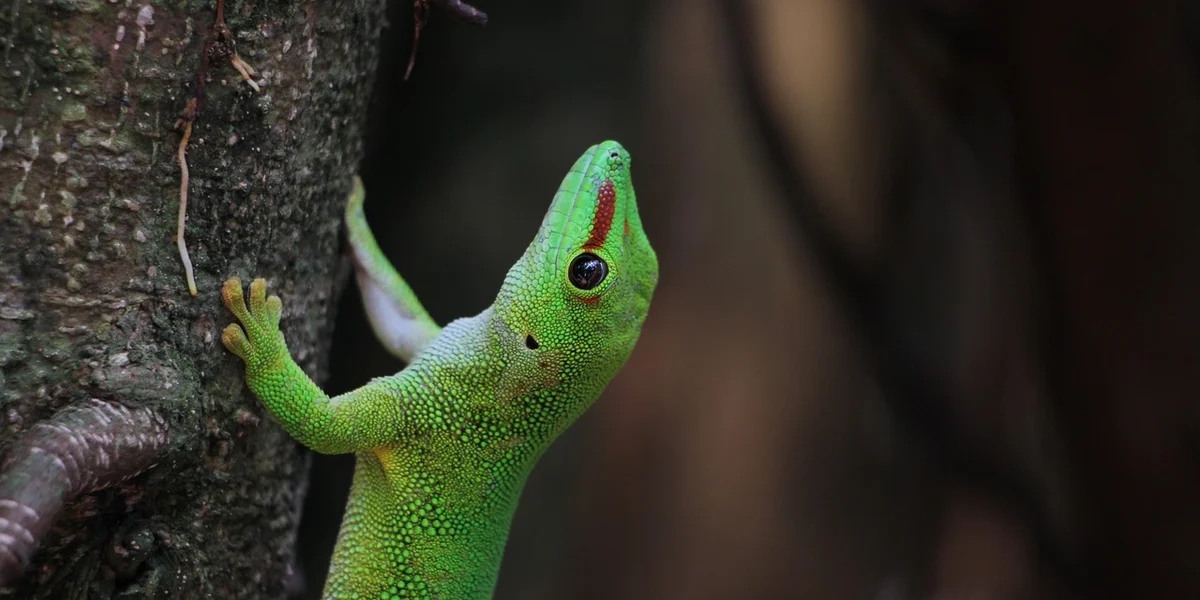
Keeping your day gecko healthy is a direct result of their environment and diet. I learned this firsthand with my Giant Day Gecko, Babe. His vibrant green color and energetic personality are my daily indicators that I’m getting things right. To mimic natural day-night cycles, I keep a consistent light-dark schedule. This helps support his circadian rhythms and overall health.
Common Health Issues and Prevention
The most common problem for day geckos is Metabolic Bone Disease (MBD). It’s a heartbreaking and preventable condition caused by insufficient calcium and a lack of proper UVB lighting. Preventing MBD is simple: provide a quality UVB light that runs 10-12 hours a day and always dust their food with a calcium supplement containing D3. I never skip dusting Babe’s crickets. These preventive steps also help prevent other common health problems pet geckos face from poor husbandry, such as shedding issues and respiratory troubles. Maintaining a consistent UVB schedule and calcium intake supports overall health and longevity.
- Sticky Skin Syndrome: Caused by low humidity. Maintain 60-80% humidity to ensure clean, complete sheds.
- Parasites: Often introduced through feeder insects. Quarantine new geckos and buy insects from reputable sources.
- Anorexia: A sign of stress, incorrect temperature, or illness. A healthy day gecko is always eager to eat.
Social Behavior and Handling
Day geckos are stunning display pets, not cuddle buddies. They are incredibly fast and their skin is delicate, tearing easily if handled. For their safety and your sanity, admire them with your eyes, not your hands. Do geckos like being petted or stroked? Most day geckos do not seek contact and may become stressed if touched; they prefer to be observed and interacted with on their terms. In fact, geckos like being petted less than you might expect. I’ve never tried to hold Babe, and our relationship is built on trust during feeding time, not forced interaction.
- Signs of Stress: Hiding constantly, refusing food, darkening skin color, and vocalizing with sharp chirps.
- Signs of Happiness/Habituation: Basking in the open, active exploration at dawn/dusk, and a healthy appetite.
- Males are highly territorial and should never be housed together. They will fight to the death.
The Shedding Process
You’ll see your gecko turn a dull, grayish color before a shed. They will then peel and eat their old skin. High humidity is the single most important factor for a successful, full-body shed. If you see stuck shed, especially on toes or the tip of the tail, do not pull it. Instead, create a “sauna” by placing the gecko in a small, ventilated container with a warm, damp paper towel for 15-20 minutes. The moisture will loosen the skin for gentle removal with a damp Q-tip. I watch Babe like a hawk when he’s in blue to ensure every last bit comes off. If you’re dealing with a stuck shed, here’s a simple, step-by-step guide to safely assist your gecko. Follow each step slowly and stop if the gecko shows signs of distress.
Breeding Day Geckos and Lifespan Insights
Breeding these jewels can be rewarding, but it’s a serious commitment. You must be prepared to house and care for multiple geckos.
Breeding Conditions and Incubation
Start with a proven, healthy pair. Condition them with extra nutrients for a month. Introduce the female to the male’s enclosure and watch closely. Mating is often aggressive, with the male chasing and biting the female’s neck, so be ready to separate them if necessary. Females will lay two eggs every 4-6 weeks, often sticking them to a surface like bamboo or a laying box.
- Provide a secure laying box filled with moist sphagnum moss.
- Carefully remove the eggs and place them in an incubator. Do not rotate them.
- Incubate at 78-82°F (25-28°C). Higher temperatures produce more females, lower temps more males.
- Eggs will hatch in 60-90 days. The hatchlings are independent from day one.
Lifespan and Longevity
With excellent care, a day gecko can be a long-term companion. A proper diet, consistent UVB lighting, and a stress-free environment are the trifecta for a long, healthy life. Understanding gecko lifecycle milestones helps guide care at every stage. From hatchling to adult, their needs change and a steady routine pays off. My Babe is going strong at 5 years, and I expect many more with him.
- Average Lifespan: 6 to 10 years in captivity, with some individuals living up to 15 years.
- Key Longevity Factors: Strong genetics, prevention of obesity, and impeccable enclosure hygiene.
Enclosure Enrichment
A boring tank leads to a bored gecko. Enrichment encourages natural behaviors and keeps their minds active. I rearrange Babe’s enclosure every few months to create a “new” world for him to explore, which always sparks a fresh wave of activity. To create the ultimate environmental enrichment setup for your gecko, mix varied textures, hides, and climbing opportunities. Monitor temperature and humidity to suit their needs.
- Climbing Structures: Use branches, bamboo, and vines of varying thicknesses.
- Live Plants: Pothos, snake plants, and bromeliads provide cover and help maintain humidity.
- Feeding Variety: Offer insects in different ways-in a dish, released for hunting, or in a feeder ledge with repashy.
Common Questions
How can I tell if my day gecko is male or female?
Males typically have prominent femoral pores and hemipenal bulges, while females are usually smaller and lack these features.
What is the best way to clean a day gecko enclosure?
Spot clean daily for waste, and do a full substrate change and disinfect the enclosure every few months to maintain hygiene.
Are there any unsafe plants for day gecko terrariums?
Avoid plants like ivy, oleander, and any that are toxic to reptiles; stick to safe options like pothos and snake plants.
How should I introduce a new day gecko to its home?
Place the gecko in the enclosure with minimal disturbance, provide hiding spots, and avoid handling for the first week to reduce stress. Use calm, stress-reduction techniques for a stressed gecko and simple environmental fixes. Maintain stable temperatures, appropriate humidity, and secure hiding spots to support ongoing wellbeing.
What steps should I take if my day gecko escapes?
Search the room carefully, set up basking spots with heat lamps, and use food like fruit puree to lure it back.
Final Thoughts
To keep your day gecko thriving, focus on three pillars: a tall, well-planted terrarium, consistent warmth with proper UVB lighting, and a varied diet of insects and fruit mix dusted with calcium. In a bioactive gecko terrarium, add a cleanup crew and live plants to mimic a natural ecosystem. This setup supports natural foraging and helps with waste processing, potentially reducing maintenance. Remember, these are display pets that stress easily, so admire their dazzling beauty from a distance rather than through frequent handling.
Caring for a day gecko is a long-term commitment that can span over a decade. Their well-being rests entirely in your hands, making your dedication to continuous learning the most important part of your journey together. For many day geckos, a 15–20 year lifespan is possible in captivity, so a 20-year commitment is realistic for truly prepared keepers. Being truly prepared means planning for that long horizon from the start. Stay curious, connect with other keepers, and always advocate for the highest standard of animal welfare.
Further Reading & Sources
- Giant Day Gecko Care Sheet | ReptiFiles
- Husbandry Handbook: Day Gecko – Phelsuma
- r/geckos on Reddit: Just bought a day gecko any tips?
The Gecko Guide is your ultimate resource for gecko enthusiasts, providing expert advice and practical tips to ensure the health and happiness of your scaly companions. Alexander is a passionate gecko owner with over a decade of experience in reptile care. We are dedicated to offering accurate, up-to-date information to support your gecko journey.Our mission is to foster a community of responsible gecko owners who are passionate about the well-being of these fascinating creatures.
Day Geckos