
Do Geckos Sleep With Their Eyes Open? Eyelid Facts Explained
Published on: May 23, 2026 | Last Updated: May 23, 2026
Written By: Alexander 'Gecko Geek' Johnson
If you’ve ever peeked into your gecko’s tank at night and seen them staring back, you’ve probably wondered, “Do geckos sleep with their eyes open?” It’s a weird sight that can make any owner worry if their pet is actually resting.
I’ve spent countless nights observing my own crew, from Griffey the Leopard Gecko to Jeter the Crested Gecko, and I’m here to clear up the confusion. We’ll break down the science and give you the straightforward facts you need.
Here are the key takeaways we will cover:
- The two main types of gecko eyelids and how they work.
- How to tell if your gecko is truly sleeping or just resting.
- When wide-open eyes might be a sign of a health problem.
You’ll get clear, practical advice based on my own experience and established reptile care knowledge. This article covers: gecko eyelid types, sleep behavior differences, signs of healthy sleep, and potential health concerns.
Understanding Gecko Sleep Patterns
You won’t find your gecko snuggled under a tiny blanket, but they do need their beauty rest. Geckos are primarily crepuscular, meaning they are most active during dawn and dusk, and they sleep during the day and deeper into the night. Their sleep is different from ours; it’s more of a state of reduced activity and heightened rest.
When my leopard gecko, Griffey, sleeps, he tucks himself into a corner of his favorite hide. He becomes completely still, and his breathing slows way down. It’s a profound quiet. This deep rest is crucial for their immune system, digestion, and overall health, just like it is for us. Yawning in leopard geckos can be a normal part of waking or settling into rest. If yawning becomes frequent or is accompanied by signs like mouth gaping, abnormal breathing, or loss of appetite, it could indicate a health concern and should be checked by a reptile vet. You can learn more about this behavior and its implications here.
Watching my crested gecko, Jeter, sleep is a different experience entirely. He often sleeps perched vertically on a leaf, looking like a tiny, scaly statue. Recognizing these sleep postures helps you understand when your pet is resting and should not be disturbed.
Gecko Eyelid Anatomy: Movable vs. Fixed
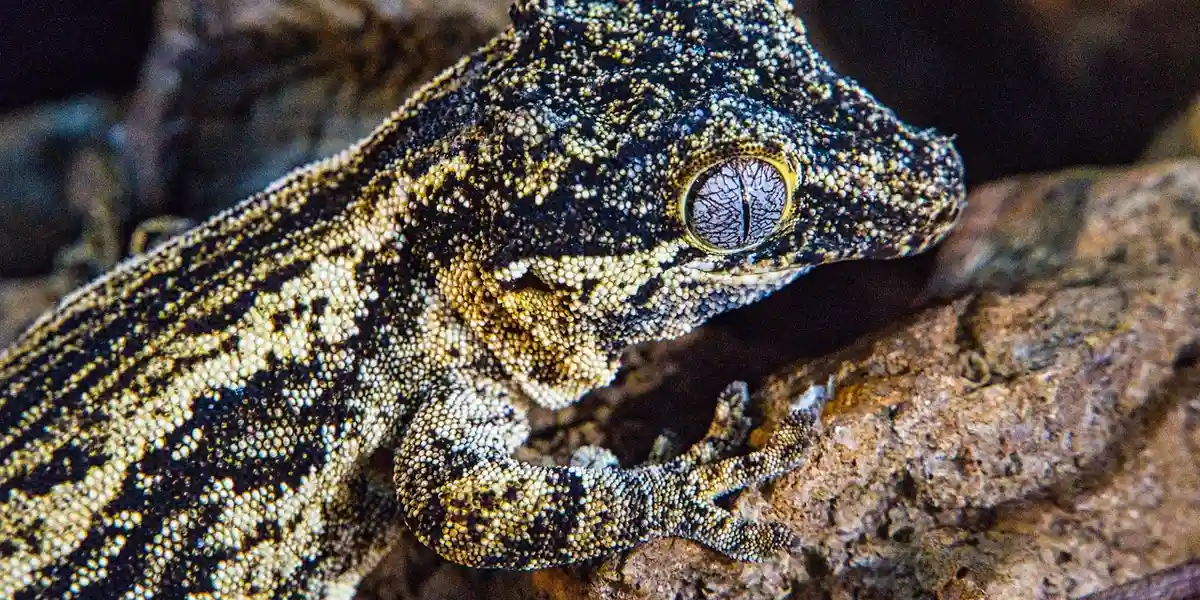
This is where things get fascinating and directly answer the core question. Whether a gecko sleeps with its eyes open depends entirely on its species and the type of eyelids it has. This is a fundamental anatomical difference that splits the gecko world into two camps.
Geckos With Movable Eyelids (They Blink!)
Species like Leopard Geckos and African Fat-Tailed Geckos have fully functional, movable eyelids.
- They can blink to moisten and clean their eyes.
- They have a true, physical eyelid that closes completely.
- When they sleep, they shut their eyes, just like we do.
My gecko A-Rod, an African Fat-Tailed, is a champion sleeper. When he’s deep in sleep, his eyelids are fully shut, and he often looks incredibly peaceful. This sealed lid helps protect his eyes from substrate dust and keeps moisture in.
Geckos With Fixed, Transparent Membranes (No Blinking!)
Species like Crested Geckos, Gargoyle Geckos, and Day Geckos do not have movable eyelids. Instead, they have a fixed, transparent scale called a brille or spectacle that covers their eye.
- They cannot blink. To clean their eyes, they use their long tongues to lick the spectacle.
- This membrane is permanently in place, like a built-in contact lens.
- Because they cannot close this shield, they always sleep with their eyes open.
The first time you see it, it can be startling. My crested gecko, Jeter, and my gargoyle gecko, Mookie, both sleep with unblinking, glassy stares. This is completely normal and is their species’ unique adaptation for eye protection. It’s like they have a permanent, clear windshield over their eyes.
Species Differences in Sleep and Eye Closure
Not all geckos sleep the same way, and the answer to whether they sleep with their eyes open depends entirely on their species. This is one of the biggest differences in gecko care you’ll encounter.
Geckos That Close Their Eyes
Geckos like Leopard Geckos and African Fat-Tailed Geckos have movable eyelids. My gecko, Griffey, is a perfect example. When he’s ready for a nap, he finds a cozy hide and blinks those adorable eyelids shut. Seeing his eyes fully closed is a sure sign he’s in a deep, restful sleep. It’s a peaceful sight that always reassures me he feels safe and secure in his home.
Geckos That Sleep With Eyes Open
Then you have the arboreal species like Crested Geckos, Gargoyle Geckos, and Day Geckos. These guys lack functional eyelids. My crested gecko, Jeter, sleeps perched on a branch, and to the untrained eye, he looks wide awake. Since they can’t blink or close their eyes, they sleep with a transparent membrane, called a brille, covering their eyeball for protection. This membrane keeps their eyes moist and safe while they rest.
How Lidless Geckos Clean Their Eyes
You might wonder how they keep their eyes clean without eyelids. It’s fascinating to watch! They use their long, specialized tongues to lick their eyeballs, wiping away any dust or debris. I’ve seen my Gargoyle Gecko, Mookie, do this mid-climb. It looks strange, but it’s a perfectly normal and vital part of their grooming routine.
How to Spot a Sleeping Gecko
Identifying a sleeping gecko, especially a lidless one, is a skill every owner learns. You need to look for a combination of subtle behavioral clues.
- Extreme Stillness: A sleeping gecko will not move for long periods. My energetic leopard gecko becomes a complete statue when he’s asleep.
- Lowered Body Posture: They often flatten their body against a surface or tuck themselves tightly into a corner of a hide.
- Specific Sleeping Spots: They almost always choose a hidden, secure, or elevated location. Jeter is always on his highest branch, and Griffey is always buried in his warm hide.
- Change in Coloration: Some species, like Crested Geckos, will “fire down,” becoming a paler, more muted color during rest.
- Lack of Response: Gently tapping on the glass or making a soft noise nearby won’t startle a truly sleeping gecko. They are deep sleepers!
Special Case: The “Eye Bulge”
Sometimes you might see a lidless gecko, like a Crested Gecko, with its eyes slightly bulged out while resting. Don’t be alarmed! This “eye bulging” is a normal behavior thought to help them readjust their eye spectacle or simply stretch the eye muscles. I’ve watched Jeter do this right after he wakes up, and it’s just part of his morning routine.
Sleep vs. Sickness: Key Differences
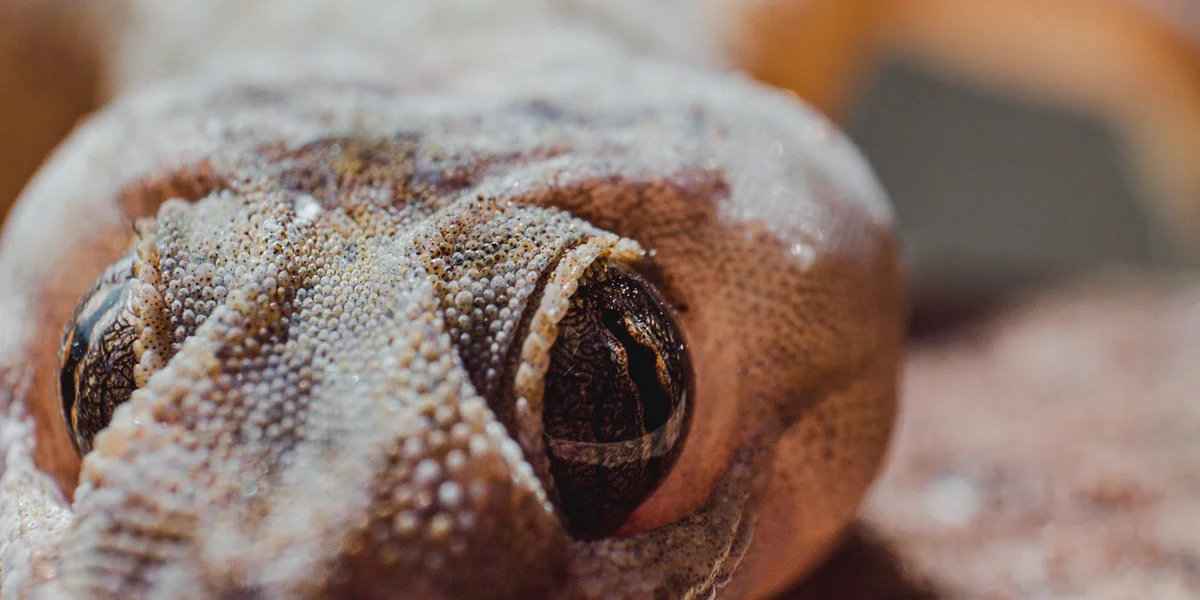
It can be tricky to tell if your gecko is peacefully snoozing or showing signs of illness. I’ve spent many late nights watching my crew, and I’ve learned to spot the difference. A sleeping gecko, even with open eyes, is simply at rest. A sick gecko is struggling.
Look for these clear signs of a healthy, sleeping gecko:
- Regular, slow breathing movements in their chest.
- A relaxed body posture, not tense or flattened.
- They are in a typical sleeping spot, like a hide.
- They wake up and become alert when you approach or during their normal active hours.
Now, here are the red flags that suggest sickness, not sleep:
- Lethargy that continues into their normal active period (evening for most).
- Sunken or crusty-looking eyes, which can indicate severe dehydration.
- Keeping their eyes tightly shut for long periods during the day.
- A significant loss of appetite or weight.
My gecko Jeter is a champion sleeper, but if he stayed in his hide all night and refused food, I’d know instantly something was wrong. The key is knowing your gecko’s normal rhythm. A break in their usual routine is your biggest clue. This is exactly the kind of insight you’ll find in the complete guide to understanding gecko behavior and temperament. It helps you read their mood and respond appropriately.
Caring for Your Gecko’s Eyes and Sleep Health
Your gecko’s eye health is directly tied to their overall comfort and sleep quality. Simple, consistent care prevents most major issues and lets them rest soundly. Common leopard gecko eye problems—such as irritation from debris or retained shed—can occur if eye care is neglected. Regular eye checks and a clean, well-maintained enclosure help prevent these issues and support proper vision.
Humidity and Shedding Management
This is the most critical part of eye care. Stuck shed on the eyes is a common and painful problem. Geckos don’t have eyelids to blink away debris, so a clean, successful shed is essential. In the following step-by-step guide, you’ll learn how to safely assist a gecko through a stuck shed. These steps emphasize gentle handling and when to consult a vet.
I manage humidity for my geckos with a simple routine:
- Provide a humid hide in the enclosure. This is a small, enclosed space filled with damp sphagnum moss or paper towels.
- Lightly mist the humid hide and the enclosure walls once or twice a day, depending on your home’s dryness.
- Ensure the rest of the tank has a dry, warm area to prevent scale rot.
A proper humidity cycle helps the old skin peel off in one clean piece, including the delicate eye caps. If you see your gecko looking cloudy or starting to shed, don’t panic. Just make sure their humid hide is nice and damp. I’ve watched my leopard gecko, Griffey, use his humid hide like a little spa to loosen up his shed.
When to Consult a Veterinarian
While you can handle most shedding issues at home, some eye problems need an expert. Don’t try to be a hero; a qualified reptile vet is your best resource.
You should book a vet appointment immediately if you notice any of the following:
- Stuck shed on the eye that doesn’t come off after a warm sauna and gentle assistance.
- Any swelling, puffiness, or discharge around the eye.
- A visible injury or scratch on the eye surface.
- Your gecko constantly rubbing their eye on decor or digging at it.
- One eye remains closed while the other is open for more than a day.
Eye infections can escalate quickly, and early treatment is always simpler, less stressful for your pet, and more affordable. I had a scare with Mookie once; he had a tiny piece of substrate stuck. I didn’t hesitate to call my vet for advice. It turned out to be minor, but their guidance gave me peace of mind. Your gecko’s sight is worth it. If you notice persistent redness, swelling, discharge, or your gecko squinting or rubbing at an eye, seek veterinary care immediately. Quick action can prevent serious damage.
FAQs
Do geckos sleep?
Yes, geckos do sleep, typically during the day for crepuscular species as they enter a state of reduced activity and rest. These sleep patterns tie into the broader question of geckos’ activity—are they nocturnal, diurnal, or crepuscular? Understanding their activity rhythms helps explain when they are most active.
Do geckos sleep with their eyes open?
It depends on the species; geckos with fixed eyelids sleep with their eyes open, while those with movable eyelids close them during sleep.
Do geckos sleep at night?
Many geckos sleep at night, especially deeper into the night after their crepuscular activity peaks at dawn and dusk. Researchers often study when and where geckos rest to decode their sleep patterns. By monitoring resting sites and timing, scientists can infer how geckos regulate sleep across the night.
Do geckos sleep during the day?
Yes, most geckos sleep during the day as they are primarily crepuscular and rest when light levels are high.
Do geckos sleep with one eye open?
No, geckos do not sleep with one eye open; their eyelid type means both eyes are either open or closed based on species anatomy.
The Final Word on Gecko Eyelids
Ultimately, whether your gecko sleeps with its eyes open or closed comes down to its species. Leopard and African Fat-Tailed Geckos have eyelids and will close them to sleep, while Crested, Gargoyle, and Day Geckos lack movable eyelids and sleep with their eyes open. Observing your gecko’s unique sleeping habits is a normal part of understanding their individual behaviors and needs.
Getting to know these small, fascinating details about your pet is a cornerstone of great care. I encourage you to keep observing and learning, as this ongoing curiosity is what makes you a truly responsible and connected gecko owner. Your little companion relies on you for its well-being, and that journey of discovery is one of the most rewarding parts of pet ownership. For day geckos, a day gecko species information care guide offers practical tips tailored to their unique needs. That kind of guide makes your curiosity directly translate into confident care.
Further Reading & Sources
- r/LeopardGecko on Reddit: New Leopard Gecko sleeps with eyes open. Is this a problem?
- Do Geckos Sleep with Their Eyes Open? Expert Answers to Your Questions
- r/leopardgeckos on Reddit: can leos sleep with their eyes open?
The Gecko Guide is your ultimate resource for gecko enthusiasts, providing expert advice and practical tips to ensure the health and happiness of your scaly companions. Alexander is a passionate gecko owner with over a decade of experience in reptile care. We are dedicated to offering accurate, up-to-date information to support your gecko journey.Our mission is to foster a community of responsible gecko owners who are passionate about the well-being of these fascinating creatures.
Gecko Myths and Facts