
Understanding Your Gecko’s Lifecycle and Milestones
Published on: April 22, 2026 | Last Updated: April 22, 2026
Written By: Alexander 'Gecko Geek' Johnson
Watching your tiny gecko grow can be both thrilling and a little nerve-wracking, leaving you wondering if every change and behavior is normal. You’re not just a pet owner; you’re a guardian, and it’s natural to worry about their development.
I’ve raised geckos for years, from hatchlings to wise old-timers, and I’m here to help you understand exactly what to expect. We’ll break down the entire journey, so you can provide the best care at every stage.
- Learn the key physical and behavioral signs of a healthy, growing gecko.
- Discover how to adjust your care for each life stage, from hatchling to senior.
- Get a clear timeline of major milestones so you know what’s coming next.
You’ll get straightforward, experience-based advice to confidently navigate your pet’s life. We will cover: Hatchling and Juvenile Care, The Sub-Adult Transition, Adulthood and Prime Breeding Age, Senior Gecko Health, and Common Lifecycle Concerns.
The Complete Gecko Lifecycle Explained
Watching a gecko grow from a tiny hatchling to a full-grown adult is one of the most rewarding parts of being a keeper. Each stage brings unique needs and delightful changes in their behavior and appearance. It’s a journey I’ve been privileged to witness many times with my own pets.
Their lifecycle can be broken down into four key phases:
- Egg Stage: The beginning! Incubation temperature can sometimes determine the sex of the gecko. The eggs are soft and leathery, and you must handle them with extreme care if you ever need to move them.
- Hatchling/Juvenile (0-6 months): This is the rapid growth phase. They are tiny, often skittish, and have huge appetites to fuel their development. You’ll see them shed their skin frequently.
- Sub-Adult (6-12 months): Growth starts to slow, but they are filling out. Their personalities really begin to shine during this stage. You’ll notice their adult colors and patterns are nearly fully developed.
- Adult (12+ months): Your gecko is now sexually mature and has reached its full size. They settle into a more predictable routine of eating, exploring, and resting. This is the long, wonderful stage of companionship.
Species-Specific Lifecycle Timelines
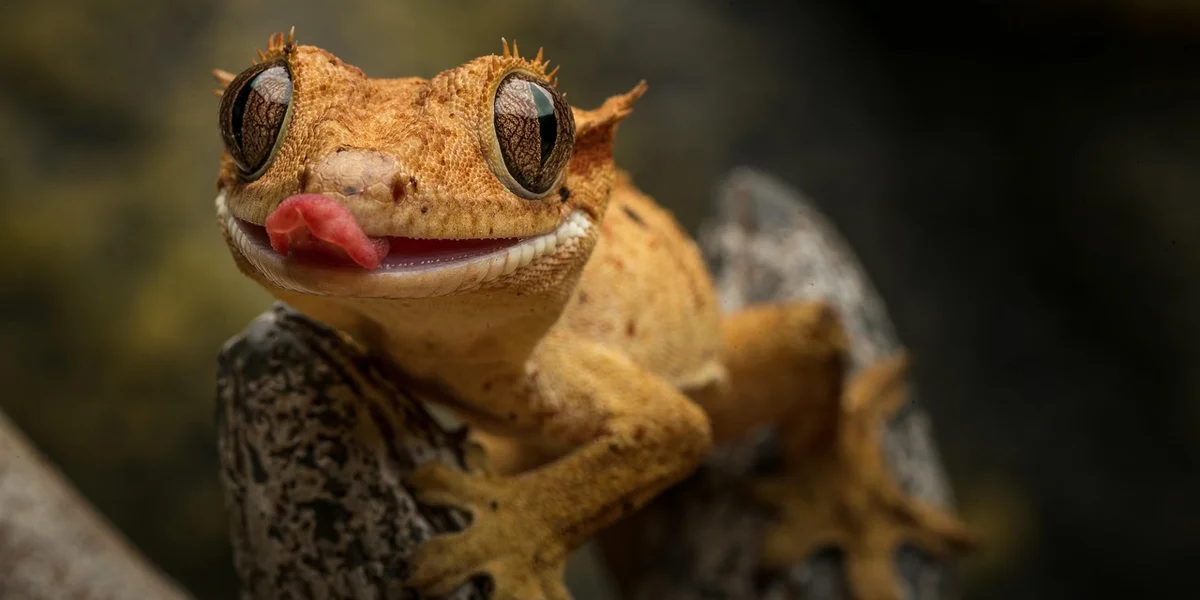
While all geckos follow a similar pattern, the timing varies dramatically. Knowing your species’ timeline is crucial for providing proper care at every age. I’ve learned this through trial and error, and by observing my own diverse crew. Gecko lifespans vary widely between species, making lifespan comparisons helpful for tailoring care across their years. Some species can live well over a decade in captivity, while others have shorter lifespans.
Leopard Geckos
Leopard geckos are often a beginner’s first reptile for a good reason. Their lifecycle is straightforward and a joy to observe. To map their first year, many hobbyists use a leopard gecko first-year growth milestone calendar to track shedding, feeding, and growth milestones. It makes it easier to anticipate the next developmental stage.
- Hatchlings emerge at about 3-4 inches long. They are incredibly fragile but grow astonishingly fast.
- They typically reach sexual maturity between 18-24 months and a healthy weight of 45-70 grams. My gecko, Griffey, hit this mark right at 20 months.
- Unlike many geckos, they have movable eyelids and will often shed their skin in one satisfying piece, which they then eat for nutrients.
- With excellent care, a leopard gecko can be your companion for an impressive 15-20 years.
Crested Geckos
Crested geckos develop quickly and have some unique traits. Their journey from a tiny, frog-like hatchling to a graceful adult is mesmerizing. This crested gecko life cycle milestones complete guide covers each stage, from egg to adult. You’ll learn the key milestones and what to expect at each one.
- They hatch out looking almost like mini-adults, complete with their signature crests, just in a smaller package.
- They can reach sexual maturity remarkably fast, sometimes as early as 9-12 months and at a weight of just 35 grams.
- A key milestone is their first successful, unassisted shed. Ensuring proper humidity is critical for this.
- Their lifespan is generally 15-20 years. My crested gecko, Jeter, is a calm and confident 3-year-old, firmly in his prime adulthood.
Gargoyle and Other Common Geckos
This group, including Gargoyle and African Fat-Tailed geckos, often follows a slower, more deliberate growth pattern.
Gargoyle Geckos are very similar to Cresteds in their timeline. They mature around 15-18 months and have a similar lifespan. Crested geckos follow a similar hatchling-to-adult growth timeline, typically reaching full size in about 12-18 months. So Mookie’s 1.5-year maturation aligns with that growth curve. My Gargoyle, Mookie, is a bundle of energy at 1.5 years old, still filling out but already showing his full, beautiful coloration.
African Fat-Tailed Geckos are more like Leopard Geckos but often a bit slower. They may not reach full maturity until they are 2-3 years old. My A-Rod is a solid 4-year-old who has been in his dignified adult stage for some time now, set in his ways and perfectly content.
Giant Day Geckos are a speedier example. They can reach maturity in just 12-18 months. My Babe, a vibrant 5-year-old, has been a bold and food-motivated adult for years, showing no signs of slowing down.
No matter the species, patience and attentive care are your best tools for guiding your gecko through a healthy, happy life. Celebrate the small milestones-the first full shed, a healthy weight gain, a new behavior. They all tell the story of a life well-lived under your care.
Caring for Your Gecko Through Each Life Stage
Just like my geckos Griffey and Mookie have different needs, your pet’s care will evolve dramatically from baby to elder. Adjusting your routine to match their life stage is the single most important thing you can do for their long-term health.
Hatchling and Juvenile Care
This is the most fragile and fast-growing period. My little Mookie was a tiny, hyperactive handful at this stage!
- Feeding: Offer small, appropriately-sized live insects daily. They need this constant energy to grow.
- Handling: Keep it minimal and brief. Hatchlings are skittish and can easily be injured or stressed.
- Habitat: Use paper towel substrate. It is safe, sterile, and lets you easily monitor their droppings for health checks.
- Key Focus: Consistent growth. Weigh them weekly to ensure they are steadily gaining weight.
Subadult and Adult Care
Your gecko is now in its prime, like my confident Jeter. Their metabolism settles into a steady rhythm.
- Feeding: Transition to feeding every other day. Watch their body condition to prevent obesity.
- Handling: This is the golden age for interaction! Most are calm and tolerate regular, gentle handling sessions.
- Habitat: You can consider a more naturalistic substrate, but always prioritize safety over aesthetics.
- Key Focus: Maintaining a healthy weight and providing enrichment through new climbing structures or hides.
Senior Gecko Care
My big guy Babe is entering his golden years, and his care has become more specialized.
- Feeding: Appetite may decrease. Offer softer-bodied insects like hornworms and consider supplementing with a gecko diet slurry.
- Handling: Be extra gentle. Arthritis can be a real issue. Support their entire body and avoid sudden movements.
- Habitat: Ensure all hides and water dishes have low, easy-to-access entrances. Reduce climbing heights to prevent falls.
- Key Focus: Comfort and quality of life. Provide extra warmth and monitor closely for any signs of pain or illness.
Recognizing Sexual Maturity and Breeding Signs
Knowing when your gecko is “all grown up” is crucial, especially if you house geckos together. Sexual maturity brings big behavioral and physical changes that you cannot ignore. I learned this the hard way when my previously peaceful geckos started posturing.
Physical Signs of Maturity
- Males: Develop prominent pre-anal pores in a V-shape above the vent and noticeable hemipenal bulges at the base of the tail.
- Females: Lack the obvious pore pattern and bulges. They often develop a wider, rounder abdomen when they are gravid (carrying eggs), even if infertile.
Behavioral Signs of Maturity
- Males: Become more territorial. They may vocalize with chirps or barks, chase tank mates, and perform a slow, quivering tail wave.
- Females: Can become receptive or defensive. A receptive female will remain still when approached by a male. A defensive one will arch her back and gape.
Here is a quick reference table for the most common signs:
| Sign | Male Gecko | Female Gecko |
|---|---|---|
| Pre-anal Pores | Very prominent, waxy | Faint or absent |
| Base of Tail | Distinct bulges | Smooth, no bulges |
| Courtship Behavior | Tail vibrating, chasing | Stillness or aggression |
If you are not an experienced breeder committed to animal welfare, house geckos separately once you see these signs. Uncontrolled breeding is stressful for the animals and leads to an overwhelming number of babies that need proper homes.
Breeding and Egg Management Milestones
Mating and Egg-Laying Process
Watching my geckos, like the confident Jeter, enter their breeding cycle is a fascinating but serious responsibility. It’s not a decision to take lightly. You must be fully prepared to house and care for the potential offspring before you even consider it. The process begins with courtship, where the male will often vibrate his tail and gently nip the female’s neck.
After a successful mating, the female will need extra nutrition. I always supplement my females’ diet heavily with calcium during this period. A gravid (egg-carrying) female will become noticeably rounder and may spend more time in her moist hide, which is essential for the next step.
She will lay her eggs, typically in clutches of two, within a few weeks. Providing a dedicated, humid laying box filled with damp sphagnum moss or a similar substrate is non-negotiable for her health and the eggs’ safety. I’ve found my geckos are much less stressed when they have a private, comfortable place to lay.
Incubation and Hatchling Care
Once you have eggs, the real precision work begins. You must remove them from the enclosure very carefully, without rotating them. Marking the top with a pencil helps you keep them oriented correctly. An egg incubator is the best tool for the job, giving you stable control over temperature and humidity.
The incubation temperature you choose can even determine the sex of the hatchlings in some species, like Leopard Geckos—a phenomenon known as temperature-dependent sex determination. In leopard geckos, incubation temperature is a key factor in determining the outcome of male vs. female hatchlings, so many breeders adjust incubator temps to bias toward the desired sex.
- Warmer temperatures typically produce more females.
- Cooler temperatures typically produce more males.
- A mid-range temperature often yields a mixed clutch.
Hatching can take 45 to 90 days. When the tiny geckos finally pip (break out of the egg), do not help them. They need to absorb their yolk sac and emerge on their own schedule. Once they are out, house them individually in simple, secure setups with paper towel substrate, small hides, and shallow water dishes to prevent any chance of drowning or competition. This is especially important before handling and socializing your new gecko hatchlings.
Essential Checklists for Monitoring Growth and Health
Keeping a close eye on your gecko’s development is the key to a long, healthy life. I use these quick checklists weekly for all of my geckos, from my energetic Griffey to my calm Jeter. Target training is a fun bonding activity that can also simplify health checks, turning routine wellness into positive moments. It helps Griffey and Jeter stay comfortable and responsive during wellness visits.
Weekly Health & Habitat Check
| What to Check | Healthy Sign | Concerning Sign |
|---|---|---|
| Body Condition | Plump tail, rounded belly, alert posture | Sunken belly, thin tail, visible hip bones |
| Skin & Shedding | Complete, single-piece sheds; bright, clear eyes | Stuck shed on toes or tail tip; dull, wrinkled skin |
| Appetite & Hydration | Eats eagerly; drinks from water dish or licks droplets | Refuses food for multiple feedings; sunken eyes |
| Waste Output | Firm white urate and brown feces | Runny, discolored, or absent waste |
| Habitat Cleanliness | Clean substrate, fresh water, no foul odors | Waste buildup, mold, or stagnant water |
Growth & Weight Tracking Milestones
Weighing your gecko monthly with a small digital gram scale is one of the best things you can do. I keep a simple logbook for each of mine. A steady, upward weight trend is what you’re looking for, not rapid, sudden gains.
- Hatchling (0-3 months): Rapid growth phase. They should be eating daily and gaining weight consistently.
- Juvenile (3-10 months): Growth slows but remains steady. You’ll see them start to fill out.
- Sub-Adult (10-18 months): Growth rate decreases significantly. They are approaching their adult size.
- Adult (18+ months): Weight should stabilize. Focus shifts from growth to maintaining a healthy, stable weight.
If you ever notice a sudden weight loss or a prolonged lack of appetite, it’s time for a vet visit. Look for other signs that your gecko needs to see a vet immediately, such as lethargy, regurgitation, or abnormal stools. If you notice any of these, seek veterinary care promptly. Trust your gut—you know your gecko’s normal behavior better than anyone.
Common Questions
How often should I handle my adult gecko?
You can typically handle a calm adult gecko for short sessions a few times a week.
What is the average lifespan of a pet gecko?
With proper care, many common pet geckos can live for 15 to 20 years.
At what age is a gecko considered fully grown?
Most geckos reach their full adult size and sexual maturity between 12 to 24 months of age.
How can I tell if my gecko is male or female?
Adult males typically have prominent pre-anal pores and hemipenal bulges, while females lack these distinct features.
Do geckos eat less as they get older?
Senior geckos often have a decreased appetite and may require softer foods or specialized diets.
Final Words
From a fragile hatchling to a wise senior, your gecko’s journey is filled with distinct stages, each requiring specific care. The most important advice is to adjust their habitat, diet, and handling to match their current life stage for a long, healthy life. In a juvenile-to-adult transition guide for crested geckos, you’ll find stage-specific care tips. These steps help ensure a smooth progression from juvenile to adult. Pay close attention to their growth, behavior, and shedding patterns—these are your best indicators of their well-being.
Owning a gecko is a long-term commitment to a fascinating creature. I believe the best keepers are those who never stop learning and observing, always striving to provide a better life for their pet. Proper handling is another essential area, and techniques vary by gecko species handling techniques, so it’s important to learn the specifics for each kind you keep. Continue to research, ask questions, and use resources like our blog to ensure you’re giving your scaled friend the best care possible.
Further Reading & Sources
- reptiles – What are the stages in a leopard gecko’s life cycle? – Pets Stack Exchange
- r/leopardgeckos on Reddit: How long do they live?
- How Long Do Leopard Geckos Live? | PetMD
The Gecko Guide is your ultimate resource for gecko enthusiasts, providing expert advice and practical tips to ensure the health and happiness of your scaly companions. Alexander is a passionate gecko owner with over a decade of experience in reptile care. We are dedicated to offering accurate, up-to-date information to support your gecko journey.Our mission is to foster a community of responsible gecko owners who are passionate about the well-being of these fascinating creatures.
Breeding & Lifecycle