
How to Choose a Healthy Gecko: A Beginner’s Guide
Published on: May 28, 2026 | Last Updated: May 28, 2026
Written By: Alexander 'Gecko Geek' Johnson
Bringing home a new gecko is incredibly exciting, but the fear of choosing a sickly one can quickly dampen that joy. I’ve felt that nervous energy myself, peering into tanks and hoping I’d spot the right signs.
I’m here to help you make a confident choice. We’ll walk through the essential health checks together, focusing on three key areas:
- Clear, bright eyes and well-proportioned body weight.
- Active, alert behavior in the enclosure.
- Clean skin and a complete, intact tail.
By the end of this guide, you’ll know exactly what to look for. We will cover: physical appearance, behavior and activity, appetite, breeder reputation, and common red flags. Let’s find you a thriving new friend.
Start with the Source: Picking a Reputable Breeder or Seller
Where you get your gecko is the single biggest factor in its long-term health. I learned this the hard way with my first gecko, a pet store impulse buy who had a host of hidden health problems. A reputable breeder is your best bet for a healthy, well-started animal.
- Ask to see the breeder’s setup. Clean, appropriately sized enclosures are a great sign of a caring breeder.
- Request detailed health records. A good breeder will know the gecko’s hatch date, feeding history, and any past treatments.
- Always ask about their quarantine procedure for new animals. This shows they are serious about preventing disease spread.
- Read online reviews and ask for references from other customers. A breeder with a solid reputation has a history of happy clients.
- Avoid big-box pet stores. Their geckos often come from large-scale breeders with unknown health backgrounds and high stress levels.
The Physical Exam: Spotting Signs of Good Health
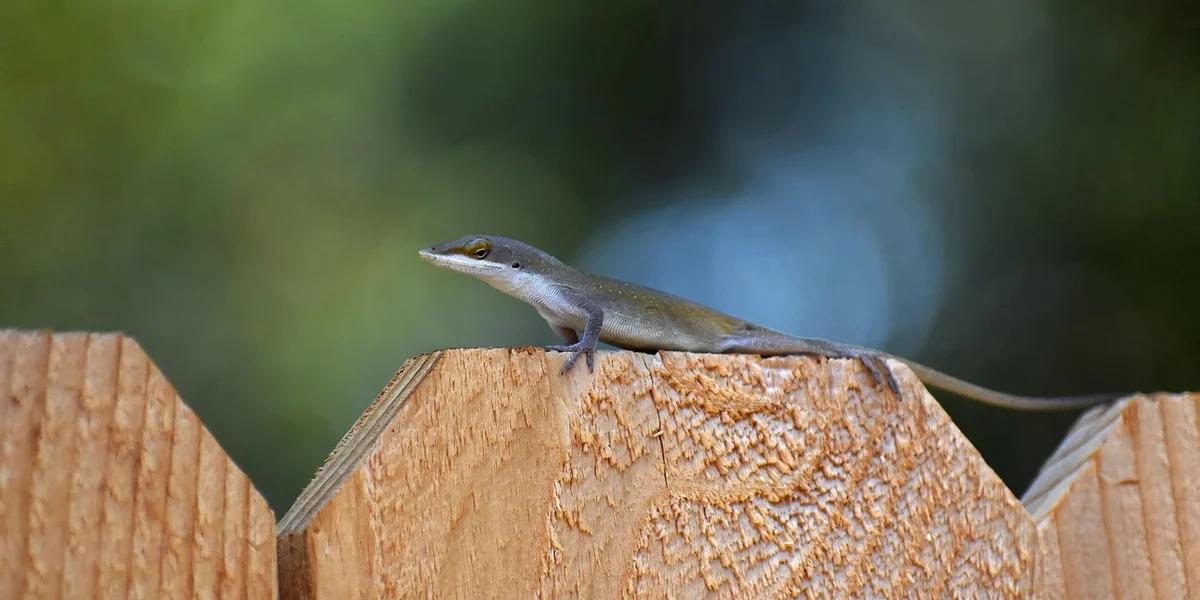
Before you even pick up the gecko, do a visual inspection. I always do this “from afar” check first to see the animal in its most natural state. Different gecko species have distinct handling requirements, so review species-specific guidelines before attempting a lift. Use gentle, full-hand support and avoid sudden movements to minimize stress.
- Watch its posture and breathing. A healthy gecko should be alert and breathe smoothly without any wheezing or gaping.
- Look for signs of activity. It should be able to move and hold itself up without seeming lethargic or limp.
- Check for any stuck shed, especially on the toes and tail tip, as this can lead to serious injury.
- Look closely at the vent area. It should be clean with no swelling, undigested food, or pasty, discolored residue.
Skin, Eyes, and Shedding
The skin and eyes are windows to a gecko’s overall well-being. My crestie, Jeter, has the brightest, shiniest eyes, which is a classic sign of good health.
- Eyes should be clear, bright, and fully open. Sunken, cloudy, or constantly closed eyes are a major red flag.
- The skin should be vibrant and intact. Avoid any gecko with cuts, scrapes, black or brown spots (which can be burns or fungal issues), or visible mites (which look like tiny moving specks).
- Look for evidence of a clean shed. A gecko that has recently shed should have no old skin clinging to its body. Incomplete sheds suggest poor humidity or underlying health problems.
Body Condition and Tail Health
A gecko’s body, and especially its tail, is its energy bank. My leopard gecko Griffey has a beautifully plump tail that tells me he’s eating well and feeling great.
- The body should be firm and well-rounded, not bony or deflated-looking along the spine and hips.
- The tail should be thick and fleshy. For leopard and fat-tailed geckos, a fat, chunky tail is a primary sign of good nutrition. A skinny, bony tail means the gecko is underweight and may be ill.
- Check for good muscle tone. The gecko should be able to walk and climb without wobbling or dragging its body.
- A robust tail is your number one visual indicator that a gecko is properly fed and hydrated. It’s the first place they store fat for lean times.
Behavior Tells: Observing Activity and Appetite
When I’m at a reptile expo or browsing a breeder’s collection, I don’t just look at a gecko. I watch it. A healthy gecko’s behavior is a non-stop broadcast of its well-being, and learning to read that signal is your most important skill.
Here are the green flags of a healthy, happy gecko.
- Alertness: Their head should be up, eyes bright and taking in their surroundings. When you approach, a healthy gecko will often notice you.
- Curiosity: A little investigative tongue flick to taste the air is a great sign. My Leopard Gecko, Griffey, is always checking out new sights and smells.
- Strong Feeding Response: This is a huge one. A breeder offering a cricket or a drop of fruit paste should be met with immediate, eager interest.
- Confident Movement: They should move smoothly without wobbling or dragging their body. My Gargoyle Gecko, Mookie, makes these incredible, precise leaps between branches.
Now, let’s talk about the red flags. These are behaviors that should make you walk away.
- Lethargy: A gecko that just lies flat and doesn’t react to gentle stimulation is a major concern.
- Constant Hiding: While geckos need hides, one that never, ever comes out, even at night for feeding, is likely stressed or unwell.
- Labored Breathing: Listen for any clicking, wheezing, or seeing their body pulse heavily-this can indicate a respiratory infection.
- Lack of Appetite: A gecko that shows zero interest in food is sending a clear distress signal.
Species Smarts: Matching a Gecko to Your Lifestyle
Choosing a gecko isn’t just about which one is the prettiest. You are choosing a roommate with very specific needs, and picking the right species from the start is the foundation of a great relationship. From my own crew, I can tell you their personalities are as different as their patterns.
- Leopard Geckos: These are the classic beginner geckos for good reason. They are terrestrial (ground-dwelling), typically very handleable, and have simple diets (insects only). My Griffey is energetic and curious, always exploring.
- Crested Geckos: These are arboreal (tree-dwelling) acrobats! They are also fantastic for beginners but need a taller enclosure for climbing. They eat a specialized powdered diet you mix with water. My Jeter is calm and confident, a perfect gentleman.
- African Fat-Tailed Geckos: Similar to Leopard Geckos but often a bit more shy and needing slightly higher humidity. My A-Rod is very alert and prefers his own company, making him a great “look, don’t touch” pet.
- Giant Day Geckos: Stunningly beautiful but typically not for handling. They are fast, fragile, and can drop their skin if stressed. My Babe is bold and food-motivated, a joy to watch but not to hold.
Enclosure and Environment Needs
Your commitment to a species is a commitment to building and maintaining its perfect world. Getting the enclosure right isn’t just about comfort; it’s about preventing illness and ensuring a long, healthy life. The wrong setup will cause any gecko to fail.
- Leopard & Fat-Tailed Geckos: Need a long, low tank (20-gallon long minimum) with a heated floor area on one side for digestion. They do not need special UVB lighting if their diet is supplemented correctly.
- Crested & Gargoyle Geckos: Require a tall tank (18x18x24 inches is a good start) filled with branches and foliage for climbing. They need moderate humidity and nightly misting.
- Giant Day Geckos: Demand a very tall, lushly planted terrarium with intense UVB lighting and high, tropical humidity levels. This is a more advanced and expensive setup.
Be brutally honest with yourself about the space, time, and budget you have. It is far better to provide a perfect home for an “easy” gecko than a subpar one for a “dream” species. Your future scaly friend will thank you for it.
Age and Sex: What’s the Best Fit for You?
Choosing between a baby gecko and an adult is one of the first big decisions you’ll make. I’ve raised geckos from hatchlings and adopted older adults, and each stage offers a completely different experience. Your lifestyle and patience level will guide you best.
Juveniles vs. Adults
- Juveniles (Babies)
- Pro: You get to witness their entire life journey. Watching my gecko Griffey grow from a tiny hatchling into his full, spotted glory was incredibly rewarding.
- Pro: They often adapt to your handling style from the start.
- Con: They can be skittish and more fragile. You must handle them with extra care.
- Con: Their sex can be difficult to determine, which is crucial if you plan to house geckos together.
- Adults
- Pro: What you see is what you get. Their size, color, and personality are fully developed. My adult gecko Babe was confidently food-motivated from day one.
- Pro: They are typically calmer and more settled, making them fantastic for beginners who want a handleable pet.
- Con: You might miss the cute baby phase.
- Con: They may come with pre-established habits, good or bad, from their previous home.
Males vs. Females
- Males
- They often develop prominent femoral pores and hemipenal bulges, making them easy to identify.
- Males are almost always territorial. You can never house two male geckos together; they will fight and cause serious injury. My male A-Rod prefers his solitude and will meticulously guard his favorite hide.
- Females
- Females can sometimes be housed together if the enclosure is very large and set up correctly, but this is not without risk and requires expert-level care.
- Be aware that a female can lay infertile eggs even without a male present. This is normal but requires you to provide a lay box and monitor for potential egg-binding, a serious health condition.
Red Flags: When to Walk Away
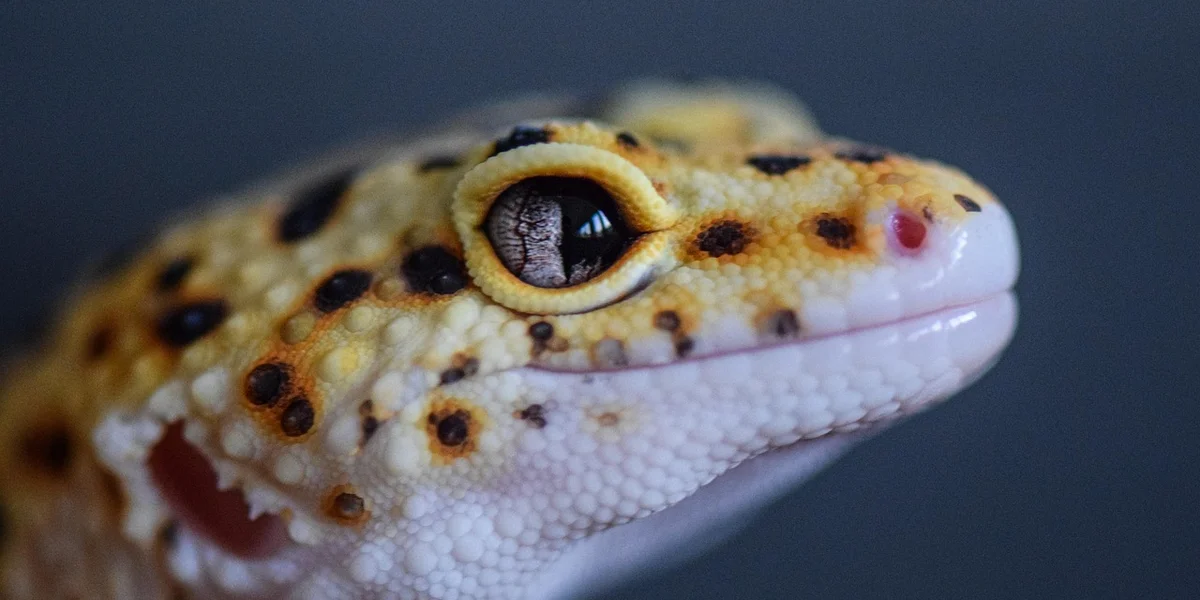
Your most important job is to be a detective for animal welfare. Walking away from a sick gecko is one of the hardest but most responsible things you can do, both for your own heart and for the animal’s chance at proper care. Trust your gut. If something feels off, it probably is.
- Visible Parasites: Look closely around the vent, under the arms, and in the folds of the skin. If you see tiny black, red, or moving specks, that’s a hard no. Mites are a nightmare to eradicate.
- Respiratory Issues: Hold the gecko near your ear. Any clicking, wheezing, or bubbles from the nose or mouth is a sign of a respiratory infection. This requires immediate veterinary treatment.
- Stuck Shed: A little bit of shed on the toes is common, but large patches stuck on the body, or worse, stuck on the eyes (making them look crusty or sealed shut) is a major red flag. It indicates poor health and humidity levels.
- Emaciation: A healthy gecko should have a plump tail (its fat storage) and a well-filled body. A skinny tail, visible hip bones, or a skinny neck are signs of starvation or illness.
- Lethargy or Lack of Muscle Tone: A healthy gecko should be alert and able to hold its body off the ground. If it feels limp, struggles to walk, or is unusually inactive, it is not well.
- An Unclean Enclosure: This is a huge reflection of the seller’s care. Feces, old shed skin, and moldy food left in the enclosure are signs of neglect that likely extend to the animal’s health. My gecko Jeter came from a pristine home, and his calm confidence shows it.
Bringing Your Gecko Home: The First Steps
You’ve chosen your new gecko! The excitement is real. I remember bringing my first crestie, Jeter, home and just staring at his little box, buzzing with anticipation. But the first few days are a critical time for their long-term health. Your immediate actions set the stage for a smooth transition and a thriving pet. To help you through those crucial first hours, follow our first 24 hours gecko guide. It covers setup, humidity, feeding, and safe handling to set your gecko on the path to a healthy, happy life.
Your Immediate Post-Purchase Checklist
- Set Up a Quarantine Enclosure
Before your gecko ever meets your main, decorated terrarium, they need a temporary home. I keep a simple, sterile 10-gallon tank for this exact purpose. This isn’t being overly cautious; it’s being a responsible pet owner. A proper quarantine period, which I strictly maintain for 30 to 60 days, prevents the spread of potential parasites or illness to any other pets you have. Setting up this quarantine tank is the essential first step when you bring home a new leopard gecko. It’s a dedicated space to monitor health and acclimation before you introduce them to the main terrarium. Use paper towel as a substrate – it’s boring, but it lets you easily monitor their droppings for signs of trouble.
- Schedule a Vet Check
I schedule a wellness exam with a reptile-savvy vet within the first two weeks. Think of it as a new-pet physical. A good vet can spot subtle issues you might miss, like tiny external parasites or early signs of metabolic bone disease. This proactive visit gives you a professional health baseline and priceless peace of mind. It’s far better than an emergency visit later.
- Allow a Stress-Free Acclimation Period
This is the hardest part for most new owners: you have to leave them alone. Your gecko has just been through a massive change. I give my new arrivals a solid week of no handling whatsoever. Resist the urge to constantly check on them; limit your interaction to quiet, quick feeding and water changes. Provide plenty of hides and clutter so they feel secure. If your gecko always hides, that’s a normal part of acclimation—hiding helps them feel safe while they adjust to a new environment. With patience and a calm setup, they’ll start venturing out more as they become comfortable. You’ll know they’re acclimated when they start exploring at night and eating readily. My leopard gecko, Griffey, took three full days before I saw him poke his head out of his favorite hide!
Common Questions
How often should I handle my new gecko?
You should avoid handling your new gecko entirely for at least the first week to allow it to acclimate to its new environment without stress. After the first week, you can begin gentle handling to help socialize your gecko safely. Keep sessions brief, support its body, and watch for signs of stress.
What is the average lifespan of a pet gecko?
With proper care, many popular pet gecko species like Leopard and Crested Geckos can live for 15 to 20 years or more. Lifespan varies among gecko species, so it’s important to understand the specific needs of the one you choose.
Are geckos expensive to care for after the initial setup?
Ongoing costs for a gecko are relatively low, covering food, substrate, and periodic replacement of bulbs or specialized diet powder.
Can I house different gecko species together?
You should never house different gecko species together, as they have different environmental needs and can transmit diseases or become aggressive. People sometimes ask if different gecko species can live together. In most cases, they cannot, because each species requires specific humidity, temperature, and space that are hard to provide in a single enclosure.
Do geckos require any special veterinary care?
While generally hardy, geckos benefit from an initial wellness check with a reptile-savvy vet and should be seen if any signs of illness appear. Early warning signs can be subtle. Monitor appetite, activity, and shedding and seek prompt veterinary care if you notice changes.
Your Checklist for a Healthy Gecko Start
When you’re ready to bring a new gecko home, your mission is simple: find an active, alert animal with bright, clear eyes, smooth and intact skin, a plump tail and body, and a perfectly clean vent area. By focusing on these appearance signs, you can identify a healthy gecko at a glance. Also check for even coloration and smooth, intact scales, and make sure the limbs are strong and uninjured. Trust your gut-if something feels off about a gecko’s energy level or appearance, it’s always better to walk away and keep looking.
Choosing a healthy gecko is just the first step in a wonderful, long-term commitment. Your journey as a gecko owner is a continuous learning experience, so keep researching, ask questions in our community, and always prioritize your pet’s welfare above all else.
Further Reading & Sources
- How To Care For a Leopard Gecko | RSPCA – RSPCA – rspca.org.uk
- Leopard Gecko Care: Housing, Diet, and Health Tips
- Leopard Gecko Complete Food Guide – Zen Habitats
The Gecko Guide is your ultimate resource for gecko enthusiasts, providing expert advice and practical tips to ensure the health and happiness of your scaly companions. Alexander is a passionate gecko owner with over a decade of experience in reptile care. We are dedicated to offering accurate, up-to-date information to support your gecko journey.Our mission is to foster a community of responsible gecko owners who are passionate about the well-being of these fascinating creatures.
Choosing a Healthy Gecko