
What is a Tokay Gecko? A Complete Care Guide
Published on: June 3, 2026 | Last Updated: June 3, 2026
Written By: Alexander 'Gecko Geek' Johnson
You’ve seen the stunning photos of the Tokay Gecko with its sapphire-spotted skin, but you’ve also heard the rumors about their fiery, almost dinosaur-like attitudes. It’s the classic beauty-and-the-beast scenario wrapped up in one incredible lizard, and it leaves many potential owners wondering if they’re a good fit.
I’ve cared for my fair share of geckos, from the gentle leopard geckos to the jumpy cresties, and I’m here to give you the honest, experience-based lowdown. We’ll cut through the noise and cover the three most important things you need to know:
- Their specific and non-negotiable habitat requirements.
- The reality of their famous (and often misunderstood) behavior.
- Whether their unique personality truly makes a good pet for you.
By the end of this, you’ll have a crystal-clear picture of what life with a Tokay is really like. We’re covering their behavior, detailed care sheet, feeding guide, handling tips, and a final verdict on their suitability as pets. Let’s get to it.
What is a Tokay Gecko?
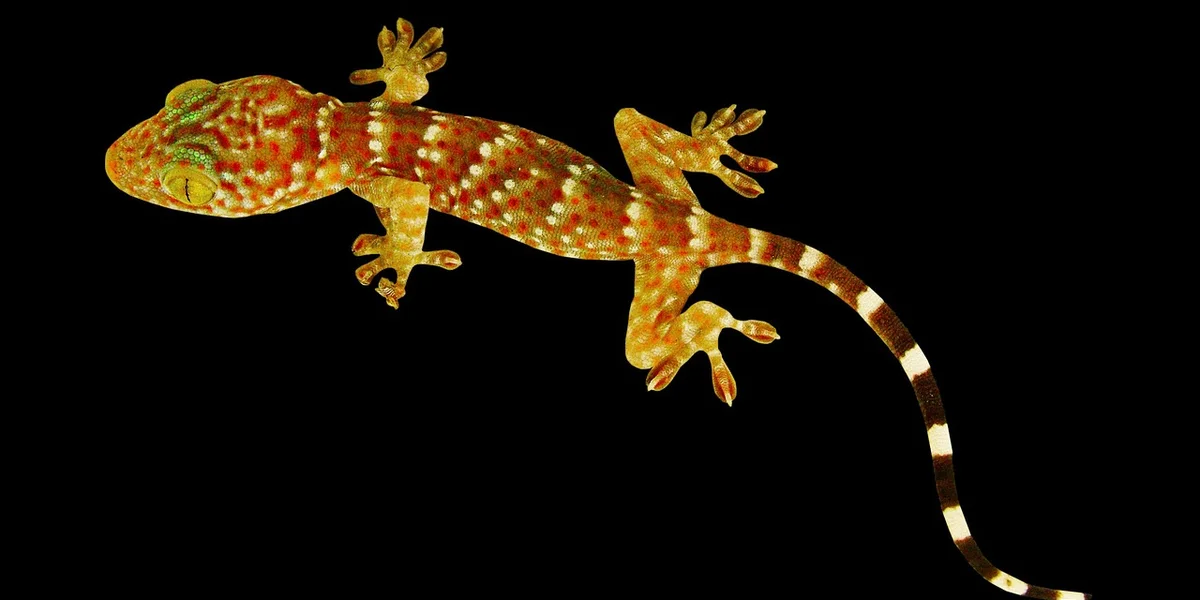
Meet the Tokay Gecko, a stunning and formidable lizard known for its intense personality and striking looks. Scientifically named Gekko gecko, this species hails from the lush, tropical forests of Southeast Asia. They are true arboreal experts, spending their entire lives climbing and clinging to trees and rock faces. To identify them at a glance, look for a robust, chunky body and large eyes. Adults typically display a gray to brown base color with bright orange or red spots along the back and limbs.
Their appearance is unforgettable. A Tokay’s body is a powerful blue-gray canvas, splattered with vibrant orange or red spots. They are one of the larger pet gecko species, with some adults reaching a formidable 12 inches in length from nose to tail tip.
- Scientific Name: Gekko gecko
- Average Lifespan: 10 to 20 years in captivity
- Common Names: Tokay, Spotted House Gecko
Scientific Classification and Native Habitat
In the wild, you’ll find Tokay Geckos from Northeast India across to Indonesia and the Philippines. They thrive in hot, humid rainforests but have also adapted remarkably well to living in human structures. They are not considered endangered, but in places like Florida, they are an invasive species that disrupts local ecosystems. Their tough, adaptable nature is a double-edged sword, especially when compared to other geckos that are sensitive to environmental changes. Understanding the natural habitats of different gecko species can provide insight into why Tokay Geckos survive so well in the wild and in urban environments.
Physical Appearance and Size
These geckos are built for power and grip. Their skin has a granular texture, and their famous toe pads allow them to scale virtually any smooth surface. Hatchlings start at just a few inches but grow rapidly. Compared to a common Leopard Gecko, a mature Tokay is significantly longer, heavier, and far more muscular. Their strong jaws and robust build are clear signs of a capable predator.
Tokay Gecko Behavior and Temperament
Let’s be direct: Tokay Geckos are not cuddly pets. Their behavior is driven by strong territorial instincts and a nocturnal nature. They are masters of their domain, and they will loudly and clearly let you know it. I’ve learned to respect their space, as trying to force interaction is a surefire way to get bitten. If you’re unsure about handling them or any other geckos, check out why pet geckos can be aggressive and how to prevent bites.
Their famous call, a loud and persistent “To-kay! To-kay!” echoes through the house at night. This is their way of claiming territory and warning off rivals. Potential owners must understand that a Tokay’s aggression is a natural defense mechanism, not a personal vendetta.
- Hiding: They spend most of the day concealed in tight, dark spaces.
- Hunting: Nighttime is for actively stalking live insect prey.
- Defending Space: They will gape, hiss, and lunge to protect their enclosure.
Nocturnal and Arboreal Habits
Your Tokay will be a ghost during the day. True to their arboreal nature, they need a tall terrarium packed with branches, vines, and foliage to feel secure. Providing ample vertical climbing space is non-negotiable for their physical and mental health. The best way to observe their fascinating natural behaviors is with a dim red or blue night light, allowing you to watch their nightly patrols without causing stress.
Vocalizations and Territorial Displays
The first time my Tokay let out his call, it startled me awake from a dead sleep. It’s genuinely that loud. They use different sounds-from chirps and clicks to the full-power “TO-KAY”-to communicate everything from mild annoyance to a full-blown territorial challenge. Watching a Tokay gecko inflate its body, gape its bright red mouth, and emit a low growl is a primal display of “stay back.” I see it not as a sign of a “bad” pet, but of a wild spirit that deserves immense respect.
Are Tokay Geckos Good Pets?
I adore my geckos, but I’ll be blunt with you: a Tokay Gecko is not a pet for everyone. Their reputation for having a fiery temper and a powerful bite is 100% earned, and it’s the main reason I steer beginners toward more docile species. You’re not getting a cuddly companion; you’re getting a stunning, living piece of art that prefers to be admired from a distance. If you’re curious about which geckos are most handleable, a gecko temperament guide can help you compare species before you commit. It highlights factors like calm demeanor, tolerance for handling, and daily care needs.
Pros and Cons of Ownership
Let’s break down what you’re really signing up for. I’ve learned a lot from my time with my own feisty geckos, and it all comes down to balancing the incredible with the challenging. While geckos are often considered low-maintenance, it’s important to dispel some common beginner misconceptions.
- Unique, Breathtaking Appearance: Their brilliant orange-spotted, blue-gray skin is unlike any other reptile. They are genuinely stunning to look at.
- Impressive Lifespan: With proper care, they can live 10-15 years, sometimes longer. This is a long-term commitment.
- Hardy Constitution: Once their environment is dialed in, they are generally robust and resistant to many common reptile ailments.
- Vocal Personality: Their loud “TO-kay!” call is a unique and fascinating behavioral trait.
- Notorious Aggression: They are defensive, fast, and will not hesitate to bite. A Tokay bite is painful, and they are known to latch on and not let go easily.
- Extreme Handling Challenges: These are look-don’t-touch pets. Forced handling is stressful for them and dangerous for you.
- Nocturnal and Secretive: You’ll do most of your watching at night, as they often hide during the day.
- Specific Care Needs: They require precise humidity and temperature control, which can be tricky for a novice to maintain.
| Advantages | Disadvantages |
|---|---|
| Spectacular, unique colors and patterns | Aggressive temperament and painful bite |
| Long lifespan (10+ years) | Not suitable for handling; a display animal |
| Hardy and resilient when cared for correctly | Requires a precise and humid environment |
| Fascinating vocalizations | Can be expensive to set up properly |
Suitability for Beginners vs. Experienced Keepers
Based on my own early mistakes, I can confidently say a Tokay Gecko is a poor choice for a first reptile. Their defensive nature requires a keeper who can read reptile body language and isn’t seeking a hands-on friend. The initial setup is more complex than for a Leopard Gecko, and the consequences of an error are higher due to their aggression. For a first-time owner, many guides rank the best beginner geckos as a top 5 list of species. Common choices on that list include Leopard Geckos and Crested Geckos, prized for hardiness and easier care.
If you’re a beginner dreaming of a gecko, please consider my calm Crested Gecko, Jeter, or an energetic Leopard Gecko like Griffey. They offer all the joy of gecko keeping without the battle scars. A Tokay is a pet for an enthusiast who specifically wants a challenging, beautiful display animal and has the experience to provide for its specialized needs.
Essential Care Guide for Tokay Geckos
So, you’ve decided you’re up for the challenge? Fantastic. Proper care is the key to a healthy, less-stressed Tokay. Getting their environment right is the single most important thing you can do for their wellbeing. This guide will walk you through the fundamentals of how to care for a Tokay Gecko.
Enclosure Setup and Size
Think vertical! Tokays are arboreal, meaning they live in trees. A tall tank is non-negotiable.
- Choose the Right Terrarium: A single adult Tokay needs a minimum of an 18″x18″x24″ tall enclosure, but bigger is always better. A 24″x18″x24″ is a great goal.
- Select a Safe Substrate: I use a mix of organic topsoil, coconut fiber, and sphagnum moss. It holds humidity well and is safe if accidentally ingested.
- Load it with Climbing Structures: Use plenty of branches, cork bark rounds, and vines. Provide multiple hiding spots at different heights.
- Include Foliage: Live or artificial plants help provide cover, making your Tokay feel secure and reducing stress.
- Secure the Lid: These geckos are strong and surprisingly clever escape artists. A tightly locking screen lid is a must.
Temperature, Lighting, and Humidity Control
Recreating their tropical habitat is your mission. Consistency is everything here.
- Temperature Gradient: Provide a basking spot of 85-90°F (29-32°C) at the top of the enclosure. The cooler end should be around 75-80°F (24-27°C). Nighttime temps can drop to 70-75°F (21-24°C). Use a ceramic heat emitter or a low-wattage basking bulb connected to a thermostat.
- UVB Lighting: While debated, I provide a low-output UVB light (like a ShadeDweller or a 5.0 T5 tube) for 10-12 hours a day. It aids in calcium metabolism and overall health.
- Humidity is Critical: Maintain 60-80% humidity. You achieve this with a heavy misting once or twice daily, focusing on the evening. Use a digital hygrometer to monitor levels. The enclosure should dry out slightly between mistings to prevent mold.
Diet and Feeding Schedule
These are avid insect hunters. Watching them stalk and pounce on prey is a real highlight of ownership.
- Staple Insects: Offer a variety of gut-loaded live insects. Crickets, discoid roaches, and dubia roaches are excellent staples.
- Treat Insects: Waxworms, hornworms, and silkworms can be offered occasionally for variety.
- Supplementation is Non-Negotiable: Dust insects with a pure calcium supplement at most feedings. Dust with a calcium powder that includes D3 twice a week.
- Feeding Schedule: Offer an amount of appropriately-sized insects your gecko can eat in 15 minutes, every other day for adults. Juveniles can be fed daily.
- Can they eat Pangea or Repashy? No. Unlike my Crested Geckos, Tokays are strictly insectivorous. They will not recognize prepared diets as food.
Handling, Taming, and Health Management
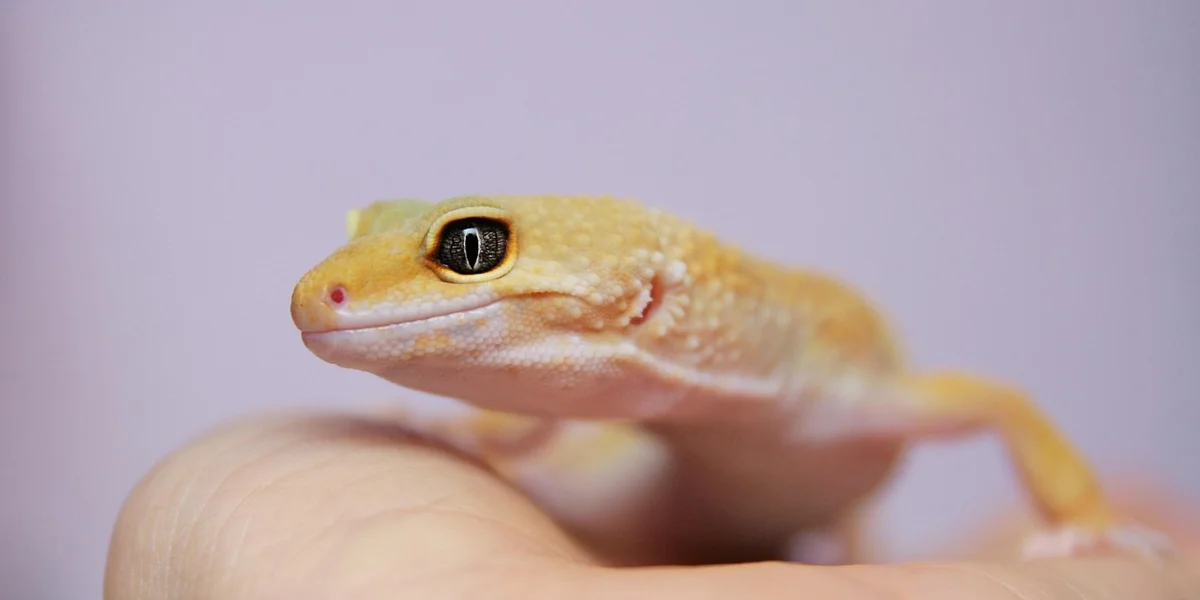
Working with a Tokay gecko requires a special kind of patience. They are not a pet you cuddle; they are a fascinating animal you learn to coexist with. Building trust with a Tokay is a marathon, not a sprint, and forcing interaction is the fastest way to destroy any progress.
Handling Techniques and Bite Risks
Let’s be real: a Tokay gecko bite is a memorable experience. Their powerful jaws can draw blood and cause significant pain. My gecko, A-Rod, once latched onto my thumb when I was rearranging his favorite hide too quickly. The key is to move slowly and predictably, never approaching from above like a predator would. For those wondering about safety, the are geckos safe to touch health safety guide offers practical tips on safe handling. It emphasizes slow, predictable movements and proper hand hygiene to protect both you and your gecko.
- Use a “hand-walking” method: Gently place your flat hand in front of the gecko and use your other hand to lightly encourage it to step onto you from behind.
- Handle in a secure, enclosed space close to the ground to prevent falls if they jump.
- Wear thin gloves initially if you are nervous; this can make you feel more confident.
If you are bitten, do not pull the gecko off. This can cause more damage. Instead, gently run a drop of lukewarm water on its nose or carefully slide a thin credit card between its jaws to encourage release. While their bite is painful and can introduce bacteria, Tokay geckos are not venomous. Clean the wound thoroughly with soap and water and apply an antiseptic.
Common Health Issues and Prevention
Preventing health problems is far easier than treating them. A clean enclosure and a proper diet are your best weapons.
- Metabolic Bone Disease (MBD): Caused by lack of calcium or Vitamin D3. Look for rubbery jaw, bowed legs, tremors, or difficulty climbing.
- Parasites (Mites): Tiny red or black dots moving on the gecko’s skin, especially around the eyes and vent. The gecko may soak in its water dish excessively.
- Respiratory Infections: Bubbly saliva, wheezing, mucus around the nostrils, and lethargy.
- Stuck Shed: Old skin, especially on the toes and tail tip, not coming off completely. This can constrict blood flow.
To prevent these issues, dust all feeder insects with a high-quality calcium + D3 powder and a multivitamin supplement on a strict schedule. Maintain proper humidity levels to ensure clean, complete sheds and spot-clean the enclosure daily to prevent bacterial growth. Knowing when and how to dust feeders can be crucial for your gecko’s health.
Additional Resources for Tokay Gecko Care
You don’t have to figure everything out on your own. The reptile community is a vast and generous resource. Connecting with experienced keepers has saved me from making costly mistakes with my own geckos on more than one occasion, especially when it comes to understanding the ethical aspects of reptile ownership.
Finding Care Sheets and Guides
Care sheets are a great starting point, but they can become outdated. Always check the publication date and look for guides that reference recent herpetological studies or are written by known breeders. Be wary of any single source that claims to be the absolute, only correct way.
- Look for guides on reputable reptile-focused websites and forums.
- University and zoo websites sometimes publish excellent, science-based care information.
- Compare several different care sheets to find common, consistent advice.
Joining Online Communities
The real magic happens in online groups where thousands of keepers share their daily experiences.
- Subreddits dedicated to geckos and reptiles are filled with people posting pictures and asking for advice.
- Dedicated reptile forums have specific sections for Tokay geckos and advanced husbandry topics.
- Facebook groups can be very active, allowing you to see real-time problems and solutions.
The collective knowledge in these groups is invaluable because you learn from both the triumphs and the heartbreaking failures of others. Seeing a photo of a gecko with early-stage MBD, for example, is more educational than just reading a description of it.
FAQs
Where can I find a tokay gecko care book?
You can find tokay gecko care books at online retailers like Amazon, in pet stores, or by searching for reptile care books from reputable publishers such as TFH Publications or Advanced Vivarium Systems.
Is there a tokay gecko care book on Amazon?
Yes, Amazon offers tokay gecko care books, including titles like “The Complete Tokay Gecko Care Guide” or similar works by experienced herpetologists, which you can search for directly on their website.
Where can I find a tokay gecko care sheet at Petco?
Petco may provide tokay gecko care sheets in-store or on their official website under the reptile care resources section, though availability can vary by location, so it’s best to check online or contact a store.
The Tokay Gecko: A Pet for the Prepared
Ultimately, a Tokay gecko is a stunning but demanding pet that thrives with an owner who respects its feisty personality. Success hinges on providing a secure, vertically-oriented terrarium, a diet of live insects, and handling them minimally, if at all. They are a visual pet, best admired from a slight distance for the safety of both you and the gecko.
Committing to any animal is a serious responsibility that lasts for their entire life, which can be over a decade for a Tokay. I urge you to view pet ownership as a continuous learning journey, always seeking new information to improve your gecko’s welfare and enrich its daily life, especially when considering the long lifespan of geckos.
Further Reading & Sources
- Tokay Gecko Care Sheet | ReptiFiles
- Tokay Gecko Care Sheet | PetMD
- Tokay Gecko Care Sheet: Housing & Diet Tips – Reptile Centre
The Gecko Guide is your ultimate resource for gecko enthusiasts, providing expert advice and practical tips to ensure the health and happiness of your scaly companions. Alexander is a passionate gecko owner with over a decade of experience in reptile care. We are dedicated to offering accurate, up-to-date information to support your gecko journey.Our mission is to foster a community of responsible gecko owners who are passionate about the well-being of these fascinating creatures.
Tokay Geckos