
How Fast Are Leopard Geckos? Gecko Speed Explained
Published on: May 19, 2026 | Last Updated: May 19, 2026
Written By: Alexander 'Gecko Geek' Johnson
If you’ve ever seen your gecko dart across the terrarium, you’ve probably wondered just how fast they can go and if you need to worry about a speedy escape. That sudden burst of speed can be surprising, especially when you’re trying to handle your pet.
I’ve chased down my fair share of escape artists over the years. I’m here to help you understand gecko speed by breaking down the key factors that determine how fast they can move. You’ll learn about:
- The surprising top speed of different gecko species.
- Why some geckos are naturally faster than others.
- How to handle a fast gecko safely and prevent escapes.
By the end of this, you’ll have a clear picture of what to expect from your scaly friend. We’ll cover: Leopard Gecko, Crested Gecko, African Fat-Tailed Gecko, Gargoyle Gecko, Giant Day Gecko, and safe handling techniques for quick pets.
Leopard Gecko Speed: How Fast Can They Really Run?
You might be surprised to learn that a leopard gecko can hit a top speed of around 8 miles per hour during a short, panicked sprint. Understanding what each action means helps you interpret leopard gecko behavior—different moves signal different needs or emotions, from fear to curiosity.
That’s faster than the average human walking pace. I once saw my gecko, Griffey, absolutely rocket across the room when a shadow spooked him.
Their speed is a product of evolution, designed for quick escapes from predators in the wild.
- Top Speed: Approximately 8 mph in very short bursts.
- Typical Pace: They are usually slow, deliberate walkers.
- Human Comparison: They can briefly outpace a person walking comfortably.
- Health Factor: A well-fed gecko with a plump tail has more energy reserves for these sprints.
- Age Factor: Younger geckos are often more skittish and quicker to bolt.
Measuring Leopard Gecko Sprint Speed
You don’t need a radar gun to estimate your gecko’s speed. A simple timing method over a known distance works perfectly well for curious owners.
Mark a 3-foot distance in their enclosure or on a safe, open floor. Time how long it takes them to cover it when startled (gently) by a soft tap.
Their movement is almost always a burst, not a sustained run.
- Burst Duration: High-speed movement rarely lasts more than 1-2 seconds.
- Observation Tool: Use your phone’s stopwatch for easy timing.
- Calculation: Speed (mph) = (Distance in feet / Time in seconds) * 0.6818.
- Safety First: Only do this in a completely secure, escape-proof area.
Factors Influencing Leopard Gecko Velocity
Your gecko’s need for speed is heavily influenced by its environment. A cold gecko is a slow gecko, as they rely on external heat for energy.
I’ve noticed my geckos are far more active and quicker on their feet when their basking spot is at the perfect 88-92°F. This makes me wonder whether lighting temperature, not just basking heat, also affects their behavior. Does lighting temperature influence gecko activity or mood beyond the basking spot?
The substrate matters too. They can get better traction on a solid surface like tile or slate compared to loose sand.
- Temperature: Optimal belly heat is crucial for muscle function and speed.
- Substrate: Solid substrates provide better grip for pushing off.
- Health: Any sign of illness or injury will dramatically slow them down.
- Habitat Optimization: Provide a temperature gradient and solid climbing rocks to encourage natural, healthy movement.
Age and Size Effects on Speed
Watching my geckos grow from juveniles to adults has shown me a clear pattern. Juvenile leopard geckos are often faster and more erratic, while adults are stronger but more calculated.
Babies have a lightning-fast twitch response, zipping away at the slightest disturbance. Adults like my A-Rod have more power in their stride but use it more sparingly.
A gecko in peak body condition-not too thin, not obese-will always be the most agile.
- Juveniles: Lighter body weight allows for quicker acceleration and direction changes.
- Adults: Possess more muscular power for a potent, single-direction sprint.
- Body Condition: An overweight gecko will be noticeably slower and less agile.
Comparing Gecko Species: Who’s the Fastest?
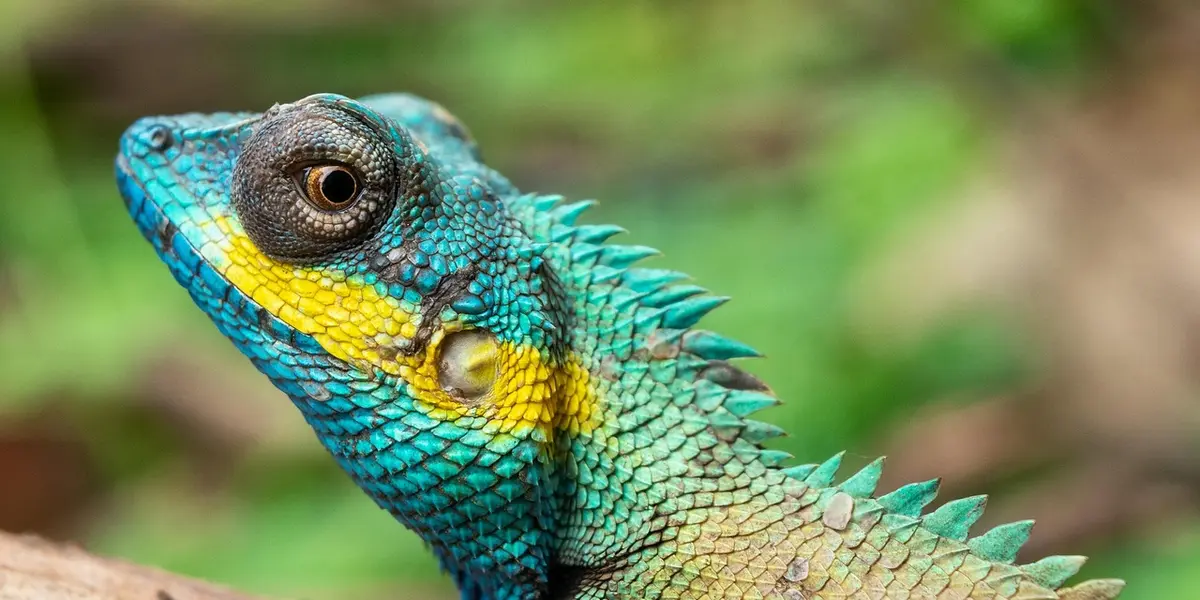
From my experience keeping multiple species, speed isn’t just about running. It’s about how they use their velocity in their specific niche, from the forest canopy to the desert floor.
My crested gecko, Jeter, would lose a flat-out race against my leopard gecko, but he’s infinitely faster and more graceful when climbing.
| Gecko Species | Top Speed (Estimated) | Locomotion Style |
|---|---|---|
| Tokay Gecko | Up to 10+ mph | Explosive sprints, powerful jumps |
| Leopard Gecko | Up to 8 mph | Short, powerful bursts on the ground |
| Giant Day Gecko | Very Fast (Climbing) | Incredibly quick, sticky-footed climbs |
| Crested Gecko | Moderate | Slow, deliberate climbs with sudden jumps |
| African Fat-Tailed Gecko | Slow to Moderate | Slow, deliberate ground movement |
Tokay Gecko vs. Leopard Gecko: Speed Showdown
If we’re talking pure, raw speed, the Tokay gecko is the undisputed champion. A Tokay’s speed is matched by its notorious attitude, making them an escape artist that demands respect.
They are significantly more aggressive and will not hesitate to use their speed to flee or defend themselves. Handling a Tokay requires extreme caution and a very secure space.
My leopard gecko’s sprints seem almost casual in comparison to a Tokay’s frantic, high-octane bolt for freedom.
- Speed Difference: Tokays are generally faster and far more aggressive movers.
- Escape Risk: Tokays present a much higher risk and are harder to recapture.
- Handling Tip: Always handle a Tokay low over a soft surface and be prepared for sudden, powerful movements.
Crested Gecko and Day Gecko Speeds
For arboreal species like Crested and Day Geckos, forget racing on the floor. Their speed is displayed in vertical ascents and incredible leaps between branches.
My Giant Day Gecko, Babe, can scale the smooth side of his glass terrarium in a blink, thanks to his specialized toe pads.
Crested Geckos like Jeter are more methodical climbers but can launch themselves several body lengths in a single, surprising jump.
- Climbing Speed: Day Geckos are arguably the fastest climbers in the pet trade.
- Arboreal Adaptation: Their velocity is adapted for navigating a complex, 3D environment.
- Observation: You’ll witness their true speed during feeding time or when they’re startled while perched up high.
African Fat-Tailed Gecko: Steady or Speedy?
African Fat-Tailed Geckos are the deliberate, powerful walkers of the gecko world. My A-Rod moves with a slow, confident pace that reflects his more terrestrial and nocturnal lifestyle.
He prefers to amble from hide to hide, only breaking into a brief, waddling trot if genuinely startled. Their body is built for power and burrowing, not for sprinting.
This slower pace makes them seem more predictable and can be less intimidating for new owners.
- Typical Pace: They are consistently slow and methodical in their movements.
- Nournal Behavior: Their most active periods are at night, but even then, they are not speed demons.
- Care Tips: Provide multiple snug hides and a soft, burrowable substrate to make these slow, deliberate movers feel secure.
What Impacts Gecko Running Speed? Key Factors Explained
Think of your gecko’s speed like a car’s performance. It’s not just about the engine; the fuel, the road, and the driver’s health all play a massive role. From my years of caring for my crew, I’ve seen firsthand how small changes in their environment and diet can turn a sluggish gecko into a zippy little escape artist.
Habitat and Substrate Effects on Speed
Your gecko’s tank is their whole world, and its setup dictates how they move. A cramped enclosure is like trying to run a sprint in a closet. Providing ample horizontal space is the single biggest thing you can do to encourage natural, speedy movement. My leopard gecko, Griffey, went from lazy loops to energetic explorations when I upgraded his tank.
- Enclosure Size: Bigger is better for exercise. A 20-gallon long tank is a good starting point for a single leopard gecko, but more space always equals more opportunity for speed.
- Flooring (Substrate): This is critical for safety and traction. Loose substrates like sand or fine mulch can cause impaction if ingested and offer poor footing. I learned this the hard way with a previous gecko who struggled to move. Now, I use slate tiles or a textured reptile carpet-they’re easy to clean and provide excellent grip for quick bursts.
- Enrichment and Clutter: A bare tank is a boring track. Adding cork rounds, branches, and rock piles creates a stimulating obstacle course. This encourages climbing, darting, and complex movements that build muscle and agility.
Health and Nutrition: Fuel for Speed
You can’t expect a high-performance engine to run on low-quality fuel. A gecko fed a poor diet will be a lethargic gecko, plain and simple. I always compare their diet to an athlete’s meal plan-it needs to be balanced and nutrient-rich for peak performance.
- Gut-Loaded Feeders: Don’t just feed your gecko plain crickets. I “gut-load” my feeders with nutritious veggies like carrots and leafy greens 24 hours before feeding. This passes those vital nutrients directly to my geckos, giving them lasting energy.
- The Calcium Rule: A calcium deficiency can lead to Metabolic Bone Disease (MBD), which weakens bones and severely limits mobility. I always dust feeders with a calcium supplement. A gecko with strong bones is a fast, confident gecko.
- Avoiding Obesity: This is a huge speed killer. An overweight gecko, like my chunky boy Babe, is a slow gecko. Overfeeding leads to fat deposits that literally weigh them down and put stress on their joints. Stick to a proper feeding schedule for their age and species.
Gecko Locomotion: How Do They Move So Quick?
Watching a gecko sprint is like seeing a tiny, scaled cheetah in action. Their bodies are perfectly engineered for rapid movement. Their low-to-the-ground stance and powerful limb muscles allow for explosive push-offs that propel them forward in a blink. It’s a fascinating blend of power and precision.
Unlike mammals that run, many geckos employ a distinctive “lateral sequence” gait. This means their legs on one side of the body move forward in sequence, creating a fluid, almost wavelike motion that maximizes stability and speed. Their specialized toe pads, covered in microscopic hairs called setae, allow them to grip surfaces with incredible force, enabling those gravity-defying climbs and sharp turns. Researchers study how gecko feet work, exploring the science behind their sticky properties. The key lies in the hierarchical toe-pad structure and the millions of contact points that generate reversible adhesion, largely through van der Waals forces with the surface.
And never underestimate the tail-it’s not just for fat storage. When my crested gecko, Jeter, leaps, he uses his tail as a rudder for mid-air steering. For other species, it acts as a counterbalance during high-speed chases, helping them make sharp corners without tumbling.
Sprint vs. Endurance in Geckos
It’s crucial to understand that geckos are the drag racers of the reptile world, not marathon runners. They are built for incredible burst speed, not sustained activity. This is a direct result of their hunting style and predator evasion tactics in the wild.
- Sprint Specialists: Leopard geckos and African Fat-Tailed geckos are ambush predators. They will sit motionless for hours, then explode into action for a few seconds to snatch a cricket. My A-Rod can go from a dead stop to a lightning-fast lunge in a fraction of a second.
- Climbing Bursts: Arboreal species like Crested and Gargoyle Geckos exhibit their speed differently. They are masters of short, powerful leaps between branches. My Mookie will sit perfectly still, then suddenly become a blur of motion to cover a foot of open space in a single bound.
- Energy Conservation: After these brief exertions, they need to rest and recover. You’ll rarely see a gecko jogging laps. Their metabolism is designed for this “sit-and-wait” strategy, conserving energy for the moments that matter most: catching food and avoiding becoming it.
Speed in Captivity vs. the Wild: Does It Change?
In the wild, speed equals survival. A gecko’s burst of velocity helps it snatch a fleeing cricket or escape a swooping owl. In our homes, that survival instinct is still hardwired, but the motivation to use it changes dramatically. My gecko Griffey, for instance, will sprint across his terrarium for a waxworm, but he’ll just amble over for his regular mealworms.
Captivity often leads to a more sedentary lifestyle. With food delivered on a platter and no predators, their world becomes smaller and safer. You can encourage natural, healthy movement by designing an enriching environment that mimics the challenges of the wild. I do this by:
- Using feeding tweezers to make prey “dance” and trigger a hunting chase.
- Rearranging tank décor every few months to create a new landscape to explore.
- Providing a variety of climbing branches and ledges at different heights.
Diurnal vs. Nocturnal Speed Differences
When you observe your gecko makes all the difference. A diurnal species, like a Giant Day Gecko, is a speed demon under the lights. My Babe Ruth becomes a blur of green when he spots a fruit fly. Nocturnal species, like Leopard Geckos, save their energy for the evening hours when they feel most secure. Understanding whether a gecko is nocturnal or diurnal helps explain these activity patterns you observe. It guides when you should observe, feed, and handle them.
Jeter, my Crested Gecko, is a perfect example. He’s a statue all day, but as dusk falls, he becomes a quiet, methodical explorer. The best time to witness your gecko’s true pace is during their natural active period, with minimal disturbance from you. Sit quietly near the tank around lights-out and you’ll see a different side of your pet.
Handling Fast Geckos: Safety and Tips for Owners

Handling a fast gecko requires a calm, confident approach. A startled gecko can move with whip-like speed, and a fall from even a short height can be dangerous. I always handle my quicker geckos, like Mookie, while seated on the floor to eliminate any risk of a long drop. If kids are involved, start with short, supervised sessions and a calm demonstration of gentle handling. Always supervise and model slow movements to keep both child and gecko safe. Here is my step-by-step method for secure handling:
- Move slowly and deliberately. Let the gecko see your hand coming from the front, not above like a predator.
- Gently scoop them from below, supporting their entire body and legs.
- Keep handling sessions short, just a few minutes, to prevent stress.
- Never grab or restrain a gecko by the tail, as it can detach as a defense mechanism.
I learned this lesson the hard way with Griffey. I once tried to handle him right after turning on his light, and he bolted straight up my arm. Now, I only handle him in the evening when he’s awake and alert, which makes for a much calmer experience for both of us.
Preventing Escapes from Terrariums
A fast gecko is an escape artist waiting for an opportunity. The smallest gap is an open door to them. After A-Rod managed to nudge a corner of his screen lid up, I now use lid clips on every single terrarium I own. It’s a simple, non-negotiable safety measure.
Here are the essential security measures for any gecko enclosure:
- Secure Lids: Use metal screen lids with locking clips, not lightweight plastic.
- Check for Gaps: Especially around wiring ports for heaters or thermostats. You can seal these with aquarium-safe silicone.
- DIY Door Latches: For front-opening terrariums, a simple childproof cabinet lock adds a second layer of security.
- Supervise Open Air Time: If you let your gecko explore outside its tank, do so in a completely enclosed, escape-proof room.
A secure home isn’t just about keeping them in; it’s about giving you peace of mind that your quick and curious friend is safe.
Choosing a Pet Gecko: Speed and Activity Considerations
Think of gecko speed like choosing a car. Do you want a zippy sports car or a reliable sedan? Your lifestyle and handling preferences are the biggest factors in this decision. I’ve learned this through years of living with both sprinters and amblers. If you’re curious about which species are most handleable, the gecko temperament guide covers that. It helps you match a species to your lifestyle.
Fast geckos, like my Gargoyle Gecko Mookie, are incredibly entertaining to watch. Their sudden, acrobatic leaps between branches are a spectacle. However, their speed makes them more challenging to handle, especially for nervous hands. A quick, startled gecko can easily leap from your grip.
Slower geckos, like my Leopard Gecko Griffey, offer a different kind of joy. They are deliberate and calm, making them wonderful for relaxed handling sessions. You get a pet you can truly interact with without the constant fear of a disappearing act. You trade high-octane excitement for deep, consistent connection.
Ideal Geckos for Beginners Based on Speed
For your first gecko, I always recommend starting with a slower species. Building your confidence with a predictable pet makes the entire experience more rewarding for both of you. A stressful first handling session can set back your bonding for weeks. If you’re eyeing the top 5 beginner geckos for first-time owners, a top-5 list can help you choose calm, easy-care options to start with. We’ll go through those top 5 beginner geckos below to help you pick the right first pet.
Here are my top recommendations for new owners, based on temperament and speed.
- Leopard Geckos: This is the quintessential beginner gecko for a reason. They are terrestrial and move with a slow, deliberate walk. Griffey will happily sit in my hand for ages, just observing the world. Their calm nature makes them forgiving of minor handling mistakes.
- African Fat-Tailed Geckos: Similar to leopard geckos in their slow, ground-dwelling habits. My A-Rod is even more placid. He prefers to explore his enclosure at a snail’s pace and rarely makes a sudden move. They are one of the most handleable species available.
- Crested Geckos (with a note): Cresties like my Jeter are a fantastic middle ground. They are not lightning fast, but they can jump. Their calm demeanor during the day makes them easy to observe. Handling is best done sitting down in a secure area until you learn their personality.
If you have your heart set on a more active, faster gecko, be prepared. You’ll need a very secure enclosure and a commitment to handling them only in escape-proof spaces. Species like Day Geckos and Gargoyle Geckos are stunning, but they are better suited as “look, don’t touch” pets for most beginners. Handling needs vary by species. Some tolerate gentle handling with proper support; others are best kept to observation.
FAQs
Why did my leopard gecko pee on me?
Leopard geckos may urinate on you due to stress or feeling threatened during handling.
What are the white crystals in my leopard gecko’s pee?
The white, chalky substances are urates, which are normal waste products, but large amounts can signal dehydration.
Why does my leopard gecko keep peeking out of its terrarium?
Leopard geckos often peek out of their terrarium out of curiosity or to explore their environment.
Final Words
Gecko speed is a fascinating mix of species, personality, and situation. Knowing your gecko’s typical burst speed helps you create a safe, enriching habitat that prevents escapes and stress. Always supervise handling sessions and keep their enclosure secure to protect your quick little friend.
Remember, understanding their natural behaviors, from the leopard gecko’s sprint to the crested gecko’s leap, is a fundamental part of responsible ownership. Their incredible abilities are a reminder of our duty to provide specialized, thoughtful care that meets their unique needs. Keep learning, keep observing, and enjoy the journey with your amazing pet.
Further Reading & Sources
- r/leopardgeckos on Reddit: It still amazes me just how fast these geckos are.
- Are Leopard Geckos Fast? (If Yes, How Fast Are They?) – Leopard Gecko Habitat
- How Fast Is A Leopard Gecko? – (Explained By Vet Tech)
The Gecko Guide is your ultimate resource for gecko enthusiasts, providing expert advice and practical tips to ensure the health and happiness of your scaly companions. Alexander is a passionate gecko owner with over a decade of experience in reptile care. We are dedicated to offering accurate, up-to-date information to support your gecko journey.Our mission is to foster a community of responsible gecko owners who are passionate about the well-being of these fascinating creatures.
Behavior and Socialization