
What is a Mourning Gecko? Care and Habitat Setup Guide
Published on: June 2, 2026 | Last Updated: June 2, 2026
Written By: Alexander 'Gecko Geek' Johnson
You might be wondering what a Mourning Gecko is and if its unique, all-female, self-cloning nature makes it a difficult pet to keep. Let me put your mind at ease. I’ve kept a thriving colony for years, and they are one of the most fascinating and manageable reptiles in my care.
I’m here to help you understand everything from their basic biology to creating a perfect home for them. This guide will walk you through the three most important things you need to know:
- Their unique parthenogenetic reproduction-no males needed!
- How to set up a simple, bioactive, and visually stunning habitat.
- The effortless daily care routine that keeps them healthy and active.
You will get clear, step-by-step advice based on my own experience raising these tiny, chirping geckos. We will cover: what is a mourning gecko, habitat setup, temperature and humidity, diet and feeding, handling and behavior, health and breeding.
What is a Mourning Gecko?
Mourning geckos are tiny, elegant lizards that typically reach just 3 to 4 inches in length. Their slender bodies are usually a soft brown or gray, often adorned with subtle darker stripes or speckles that help them blend into bark and leaves. I’ve always been struck by how their delicate toes and large, expressive eyes give them an almost miniature, polished look.
These geckos hail from tropical islands across the Pacific and Indian Oceans, thriving in warm, humid coastal forests. In the wild, you’ll find them clinging to trees and vegetation, active mainly at dawn and dusk. Their native habitat is lush and dense, which explains their love for climbing and hiding. In wild natural habitats, they occupy warm, humid forests, mangroves, and coastal scrub. They are often high in trees or tucked into bark crevices where they hunt and stay safe.
The name “mourning gecko” comes from their scientific species name, Lepidodactylus lugubris, where “lugubris” means mournful or sorrowful in Latin. Some say it references their soft, chirping calls that can sound a bit melancholic on quiet evenings. I’ve spent many nights listening to my group’s gentle vocalizations-it’s a unique part of their charm.
Scientifically classified as Lepidodactylus lugubris, they belong to the Gekkonidae family. This classification places them among a diverse group of geckos known for their adhesive toe pads and global distribution. Knowing their taxonomy helps us understand their needs better.
Compared to other pet geckos, mourning geckos stand out for their small size and social nature. Unlike solitary leopard geckos that prefer the ground, mournings are arboreal and often do well in groups. From my own tanks, I’ve noticed they’re more active and vocal than my crested geckos, making them a lively addition.
Mourning Gecko Care Essentials
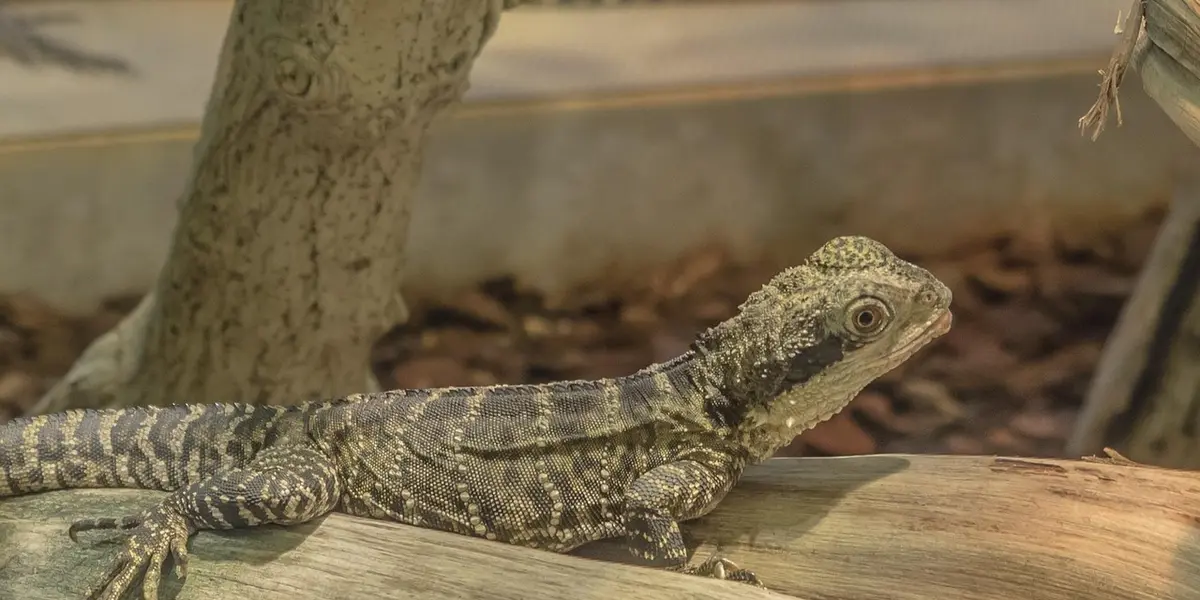
Caring for mourning geckos is straightforward once you establish a consistent routine. Daily care involves a quick visual health check and light misting to maintain humidity, while weekly tasks include cleaning surfaces and refreshing their food. I make it a habit to observe my geckos each morning-it’s a peaceful start to the day and helps spot any issues early.
Their diet is varied and fun to prepare. I feed mine a mix of commercially available fruit gecko diets, tiny feeder insects like fruit flies or pinhead crickets, and a dusting of calcium with D3 supplement twice a week. Offering this variety ensures they get all the nutrients they need for energy and strong bones. To broaden their menu, check out a diversifying diet guide with 10 safe feeder insects for geckos. It helps you add safe variety without guessing.
- Staple foods: Fruit-based gecko diet pastes
- Protein sources: Flightless fruit flies, small crickets
- Supplementation: Calcium powder with D3, multivitamins weekly
Handling mourning geckos requires a gentle touch and lots of patience. Because they’re small and quick, I recommend limiting handling to necessary situations like health checks, and always do it over a soft surface to prevent falls. For quick guidance, a gecko health safety guide explains whether geckos are safe to touch and how to handle them safely. In short, keep handling brief and prioritize their comfort and your own safety. In my experience, they’re more of a “look but don’t touch” pet, which reduces stress for everyone.
With proper care, mourning geckos can live 5 to 10 years, sometimes longer. Over time, you might notice them forming little social hierarchies or laying unfertilized eggs—since they’re parthenogenetic, females can reproduce without males. It’s fascinating to watch their colony dynamics unfold in a well-set-up enclosure. When eggs are laid, they can hatch after several weeks, bringing tiny hatchlings into the enclosure. Observing their growth is a rewarding part of keeping mourning geckos.
Common health issues include metabolic bone disease from poor nutrition and skin problems from low humidity. Prevention is simple: provide UVB lighting, a balanced diet with supplements, and keep humidity between 60-80% with regular misting. By doing so, you prevent the common health problems pet geckos face. A consistent routine keeps them healthier and more active. I’ve avoided these problems in my own geckos by sticking to these basics and doing monthly weight checks.
Setting Up the Perfect Mourning Gecko Habitat
Enclosure Requirements
Getting the enclosure right is your first step to a happy, active gecko colony. I learned this the hard way with my first group; a cramped tank leads to stress and squabbles. Understanding gecko housing requirements—especially tank size and setup for each species—helps you tailor the enclosure to their needs. With the right setup, heat, humidity, and space stay balanced and geckos thrive.
- For a single gecko, a 10-gallon tall tank is the absolute minimum, but they truly thrive in groups. A 12x12x18-inch terrarium is my recommended starting point for a small group of 2-4 geckos.
- Mourning Geckos are phenomenal climbers. They will use every inch of vertical space you provide. A tall, front-opening enclosure is non-negotiable for their well-being and allows you to create a stunning bioactive landscape.
Climate and Lighting
Replicating their tropical island home is easier than you think. A stable climate prevents a host of health issues.
- Keep the ambient temperature between 72°F and 78°F (22°C – 26°C). A small, low-wattage heat mat on one side of the tank can create a gentle warmth gradient, but avoid intense overhead heat lamps.
- Humidity should cycle between 50-60% during the day and spike to 80% or higher at night. I achieve this with a light misting every evening, which also gives them droplets to drink, just like morning dew in the wild.
- While they are often considered crepuscular, providing a low-level UVB light (like a 5.0 or 13-watt compact bulb) for 10-12 hours a day is beneficial. This light helps their bodies process calcium and establishes a healthy day-night cycle, encouraging natural behaviors.
Habitat Décor and Substrate
A bare tank is a boring tank. These little geckos need a jungle gym to explore, and I love watching mine navigate the complex layout I built.
- Safe substrate options include coconut fiber, sphagnum moss, or a bioactive mix. These substrates hold humidity well and are safe if accidentally ingested during feeding.
- Load the enclosure with cork bark tubes, bamboo shoots, and reptile-safe branches for climbing. Provide multiple hiding spots like magnetic coconut hides and dense live plants (Pothos and Snake Plants are my hardy favorites) to make them feel secure.
- A shallow water dish is essential for hydration. Place it on the cool side of the enclosure to prevent rapid evaporation and keep the water fresh and clean at all times.
Feeding Your Mourning Gecko
Watching a group of geckos hunt is one of the great joys of keeping this species. Their diet is varied and simple to manage. For beginners, some species are notably easier to feed in captivity, which helps simplify diet planning.
- I feed my colony a prepared gecko diet (like Repashy or Pangea) three times a week and offer live, gut-loaded insects like pinhead crickets or flightless fruit flies twice a week.
- Appropriate foods include fruit-based Crested Gecko diets, tiny crickets, and Drosophila fruit flies. These provide a perfect balance of fruit, protein, and essential nutrients.
- Calcium and vitamin supplementation is critical, especially for egg-laying females. I always dust my feeder insects with a calcium powder containing D3 and use a multivitamin powder once a week.
- Observe their eating habits at night with a red light. You’ll quickly learn who the bold eaters are and can watch for any gecko that seems hesitant, which is the first sign of a potential problem.
Mourning Gecko Health and Wellness
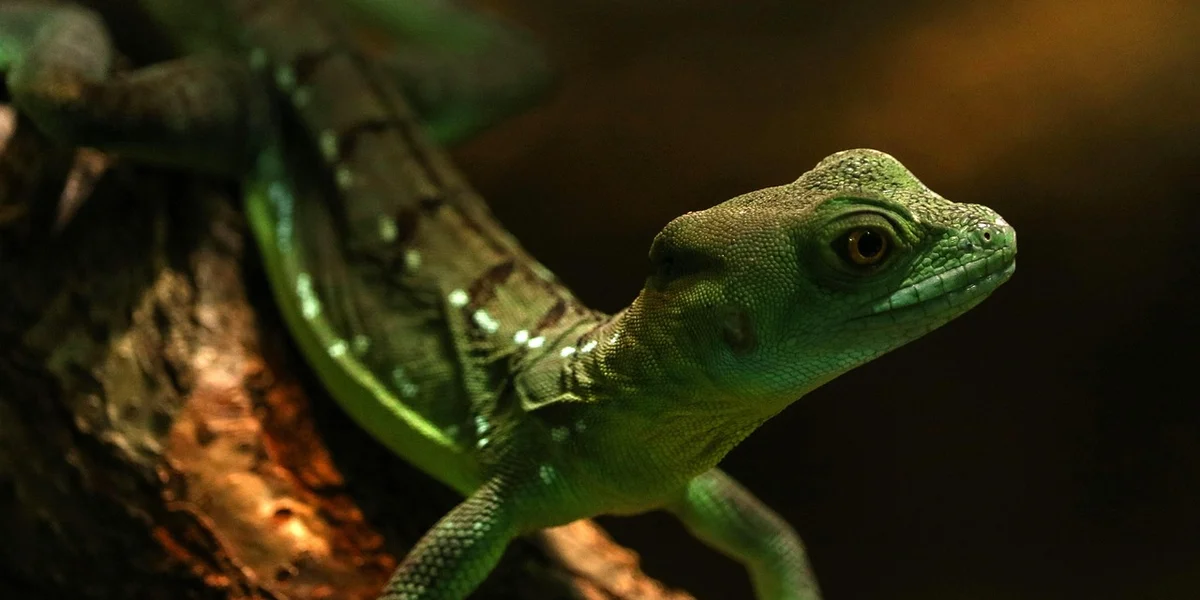
Keeping an eye on your gecko’s health is a daily part of ownership. A healthy Mourning Gecko is alert, has bright, clear eyes, and a plump, slightly rounded tail that acts as its primary fat storage. You should see them actively exploring and licking surfaces at night.
Signs of a Healthy Gecko
- Clear, bright eyes without any crust or swelling.
- A well-rounded body and a plump tail, not skinny or bony.
- Active during the evening and night, climbing and hunting.
- Clean vent (the opening under the base of the tail).
- Consistent, firm droppings (the white part is urate).
Common Ailments to Watch For
Metabolic Bone Disease (MBD) is a serious threat. It’s caused by a lack of calcium and proper UVB lighting. An early sign of MBD is a wobbly, unsteady gait or a kink in the tail or spine, which I’ve sadly seen in rescues. Their bones become soft and rubbery.
- Stick Tail Disease (Crypto): This is a severe, often fatal, parasitic infection causing rapid weight loss and a pinched, skinny tail.
- Skin Retention (Stuck Shed): If the humidity is too low, they can’t shed their skin completely, especially on their tiny toes.
- Respiratory Infections: Signs include wheezing, mucus around the nose or mouth, and lethargy, often from a habitat that is too cold and wet.
First-Aid Tips for Minor Issues
For a minor stuck shed, don’t pull it off. Create a simple humidity chamber by placing your gecko in a small ventilated container with a warm, damp paper towel for 15-20 minutes. The moisture should loosen the skin so they can rub it off themselves.
- For small scrapes, keep the habitat impeccably clean to prevent infection.
- If you suspect early MBD, immediately dust all their food with a calcium + D3 supplement and review your UVB light setup.
When to Seek a Veterinarian
You need a vet who specializes in reptiles, often called an exotic vet. Seek immediate veterinary care if your gecko is lethargic during its active hours, has visible injuries, shows signs of a respiratory infection, or is losing weight rapidly. Being aware of the warning signs helps you decide when your gecko needs to see a vet immediately. It’s always better to be safe and get a professional opinion.
Is a Mourning Gecko the Right Pet for You?
These geckos are fantastic, but they aren’t a perfect fit for everyone. Their small size and all-female, self-cloning reproduction is a huge pro for some and a surprising con for others. You must be prepared for a potential population explosion!
Pros and Cons for Beginners
- Pros: They are hardy, have simple diets, don’t require massive space, and watching their social interactions is incredibly entertaining.
- Cons: They are very fast and not for frequent handling. Their parthenogenesis means you might end up with many more geckos than you started with.
Social Behavior and Cohabitation
Mourning Geckos are one of the few gecko species that do well in small groups. I keep a small colony of three, and seeing them chirp and interact at night is one of my favorite parts of owning them. You can house females together peacefully.
- Never house males with them, as it will cause stress and constant breeding.
- Do not house them with other gecko species; their needs and behaviors differ too much.
My Personal Experience with Their Unique Needs
My gecko, Mookie, taught me the importance of vertical space. I initially had a long tank, but switching to a tall terrarium transformed their activity levels—they use every single branch and leaf now. This aligns with building multi-level habitats that maximize vertical space for arboreal geckos. Using vertical shelves, ramps, and stacked hides gives them more climbing options without expanding the footprint. Their care is less about complex gadgets and more about nailing the basics: consistent temperature, high humidity, and plenty of climbing surfaces.
Commitment Level and Time Investment
While their daily care is minimal-a quick misting and checking food-the commitment is long-term. With a lifespan of up to 10 years, you are signing up for a decade of responsible care, which includes rehoming surprise babies. Your main time investment is the initial habitat setup and weekly deep cleanings.
Common Questions
Is mourning gecko care difficult for beginners?
Mourning geckos are considered one of the easier reptile pets to care for, making them a good choice for beginners who understand their basic habitat and dietary needs.
What is the ideal enclosure size for a small group of mourning geckos?
A 12x12x18-inch tall terrarium is the recommended minimum size for a small group of 2-4 geckos to provide adequate vertical climbing space.
How do I manage their unique, all-female reproduction?
Be prepared for a potential population boom, as females can lay fertile eggs without a male, so you should have a plan for rehoming offspring.
Are there any special care considerations for keeping mourning geckos in the UK?
Care is largely the same, but you may need to rely more on thermostat-controlled heat mats and artificial lighting to maintain stable temperatures and daylight hours due to the cooler climate.
Where can I find a reliable, detailed care sheet?
Reputable online sources like Reptifiles, Josh’s Frogs, and dedicated communities on Reddit provide detailed, peer-reviewed care guides and practical keeper advice.
Final Thoughts
At its heart, a thriving mourning gecko habitat mimics a tropical forest: warm, humid, and packed with vertical climbing space. A simple diet of CGD and tiny insects, a small group of friends, and a secure lid are the pillars of success for these fascinating parthenogenetic lizards.
Remember, bringing any animal into your home is a long-term promise to meet its needs. My geckos have taught me that observation is the best tool; always watch, learn, and be ready to adapt your care as new reptile-keeping information emerges.
Further Reading & Sources
- The Ultimate Mourning Gecko Care Guide | ReptiFiles
- Mourning Gecko bioactive care and maintenance – The Bio Dude
- NEHERP – Mourning Gecko Care
The Gecko Guide is your ultimate resource for gecko enthusiasts, providing expert advice and practical tips to ensure the health and happiness of your scaly companions. Alexander is a passionate gecko owner with over a decade of experience in reptile care. We are dedicated to offering accurate, up-to-date information to support your gecko journey.Our mission is to foster a community of responsible gecko owners who are passionate about the well-being of these fascinating creatures.
Gecko Care Guides